KPMG expands mental health, caregiving benefits to curb burnout
KPMG is adding mental-health, caregiving and tutoring benefits as it tries to make busy season less punishing for workers.
KPMG is widening the support it offers when work and home life collide: expanded mental health benefits through Resources for Living, a mental health training course that counts for CPE credit, more back-up care for child and elder care, and added access to discounted tutoring and academic support for school-age children. The practical bet is simple. If a daycare closes, a parent needs elder-care help, or a school schedule blows up during a client deadline, workers can recover faster instead of losing a day, a week, or a deal.
The firm is framing those benefits as part of a broader burnout-prevention push, not a side perk. KPMG says it wants “a culture of well-being and burnout prevention that is woven into the fabric of daily life,” backed by work/life coaching, its Flex with Purpose hybrid model, generous paid leave and efforts to flatten the workload peaks that come with traditional busy season. In KPMG’s telling, this is an audit-quality issue as much as a talent issue: the firm says it asks a lot of audit employees and wants them to have the tools to rest, recharge and succeed.

That linkage matters because KPMG has been unusually explicit about culture’s effect on audit performance. In 2024, the firm said the Public Company Accounting Oversight Board’s Staff Spotlight Report highlighted the role of audit-firm culture in sustaining audit quality. KPMG also said in its FY24 audit-quality report that it expected a 20% Part 1.A deficiency rate in its 2024 PCAOB inspection, its lowest since 2009. The message to staff is clear: the firm wants fewer quality misses, and it sees a healthier work environment as part of getting there.
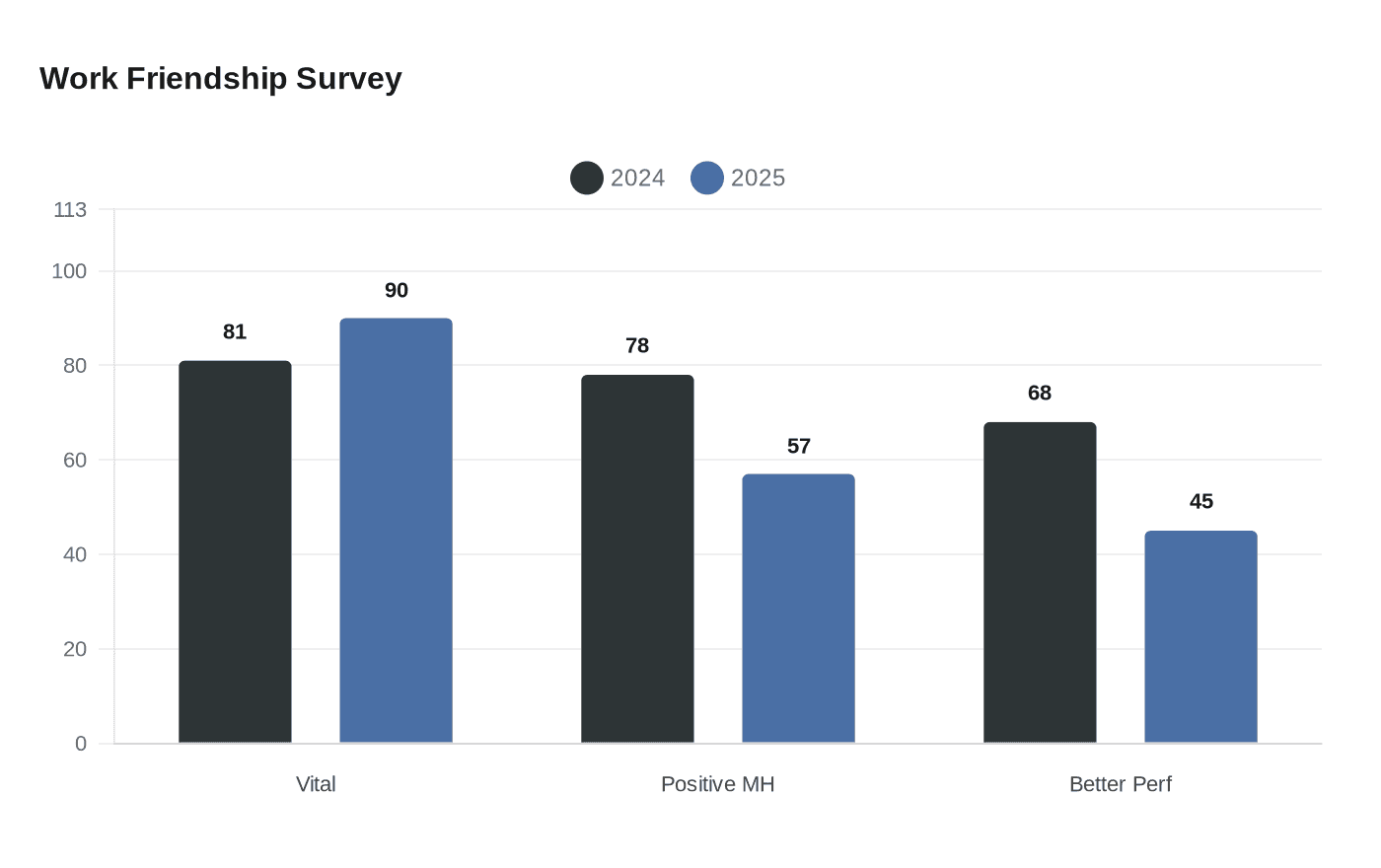
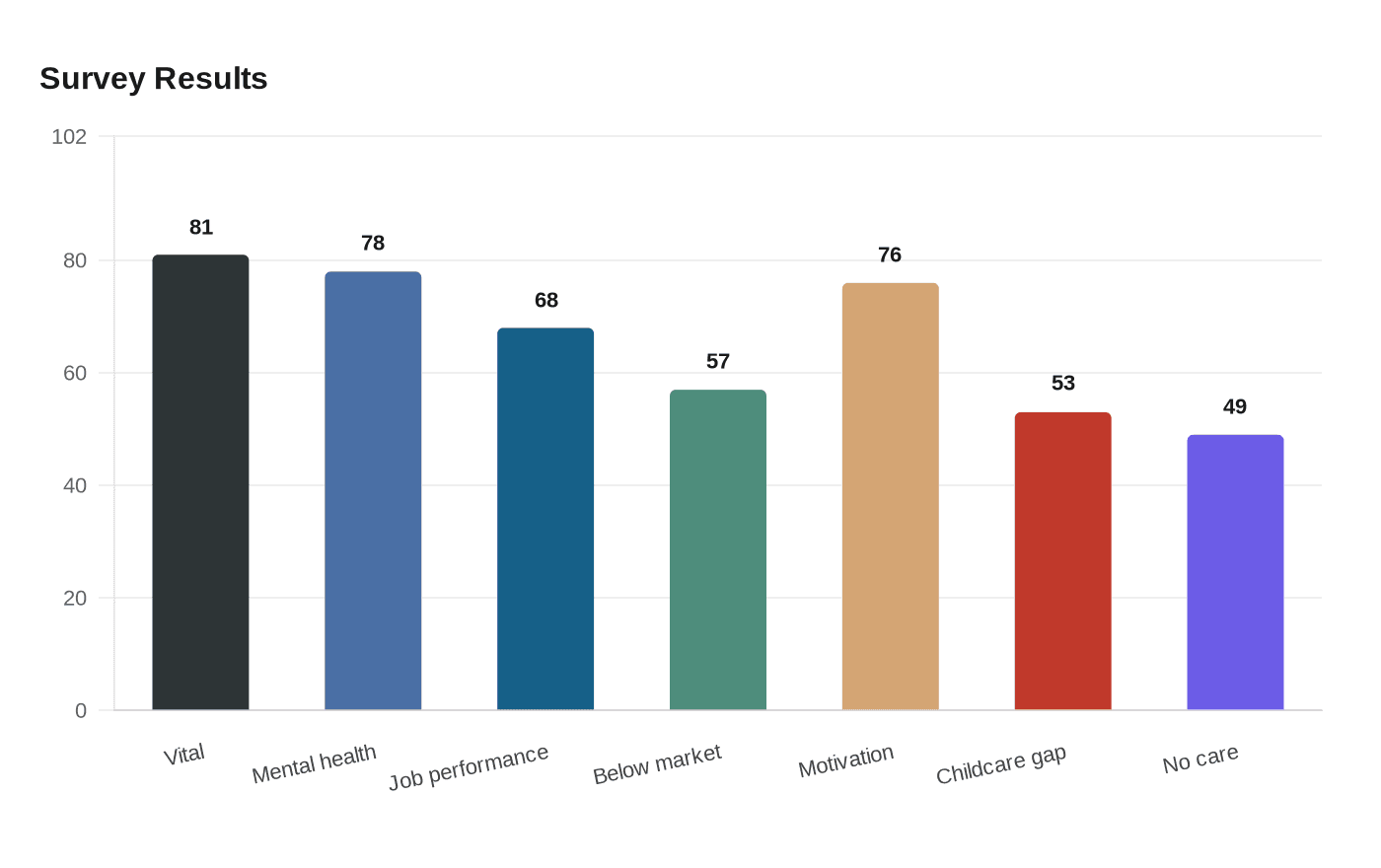
KPMG’s own friendship data helps explain why the firm keeps returning to the same theme. In its 2024 Friends at Work survey, 81% of professionals said work friendships were vital, 78% said they had positive mental-health benefits and 68% said they improved job performance. In the 2025 follow-up, nearly nine in ten employees said close work friendships were very important to mental health, 57% said they would take a role paying 10% below market if it came with close friendships, and 45% said they felt isolated and alone at work at least sometimes.
Caregiving remains the clearest stress test for whether these benefits reach daily life. KPMG said in 2024 that childcare problems are forcing parents to miss work or cut hours, hurting both bottom lines and economic growth. Its February 2025 Working Parents Survey found 76% of working parents said parenthood boosted their motivation at work, but 53% struggled with ongoing childcare arrangements and 49% said their companies did not offer onsite or back-up care. That is the gap KPMG is trying to close, one benefit at a time.
This article was produced by Prism’s automated news system from verified source data, official records, and press releases, then run through automated quality and moderation checks before publishing. The system is built and supervised by the people who set the standards it runs under. Read our full AI policy.
Did this article answer your question?


.pdf%2F_jcr_content%2Frenditions%2Fcq5dam.thumbnail.319.319.png&w=1920&q=75)