KPMG flags USTR Special 301 shifts, Vietnam faces possible Section 301 probe
Vietnam was labeled a Priority Foreign Country, putting a possible Section 301 probe on a 30-day clock as KPMG clients face wider customs and transfer-pricing risk.
KPMG’s latest trade note lands where tax, customs and controversy work increasingly overlap: USTR’s 2026 Special 301 Report turned Vietnam into the next likely pressure point, while shifting the watch lists for Argentina, Mexico, Bulgaria and the European Union. For multinational clients, that is not just a policy headline. It can change how royalties are booked, how IP-heavy supply chains are structured and where audit or penalty exposure starts to rise.
USTR released the report on April 30 after reviewing more than 100 trading partners. Vietnam was identified as a Priority Foreign Country, and USTR said it will decide within 30 days whether to initiate a Section 301 investigation. If it moves ahead, consultations with Vietnam would follow. That timing matters for KPMG teams advising clients with manufacturing, licensing or sourcing footprints tied to Vietnam, because the report can quickly shift the risk profile around customs valuation, transfer pricing and market-entry planning.
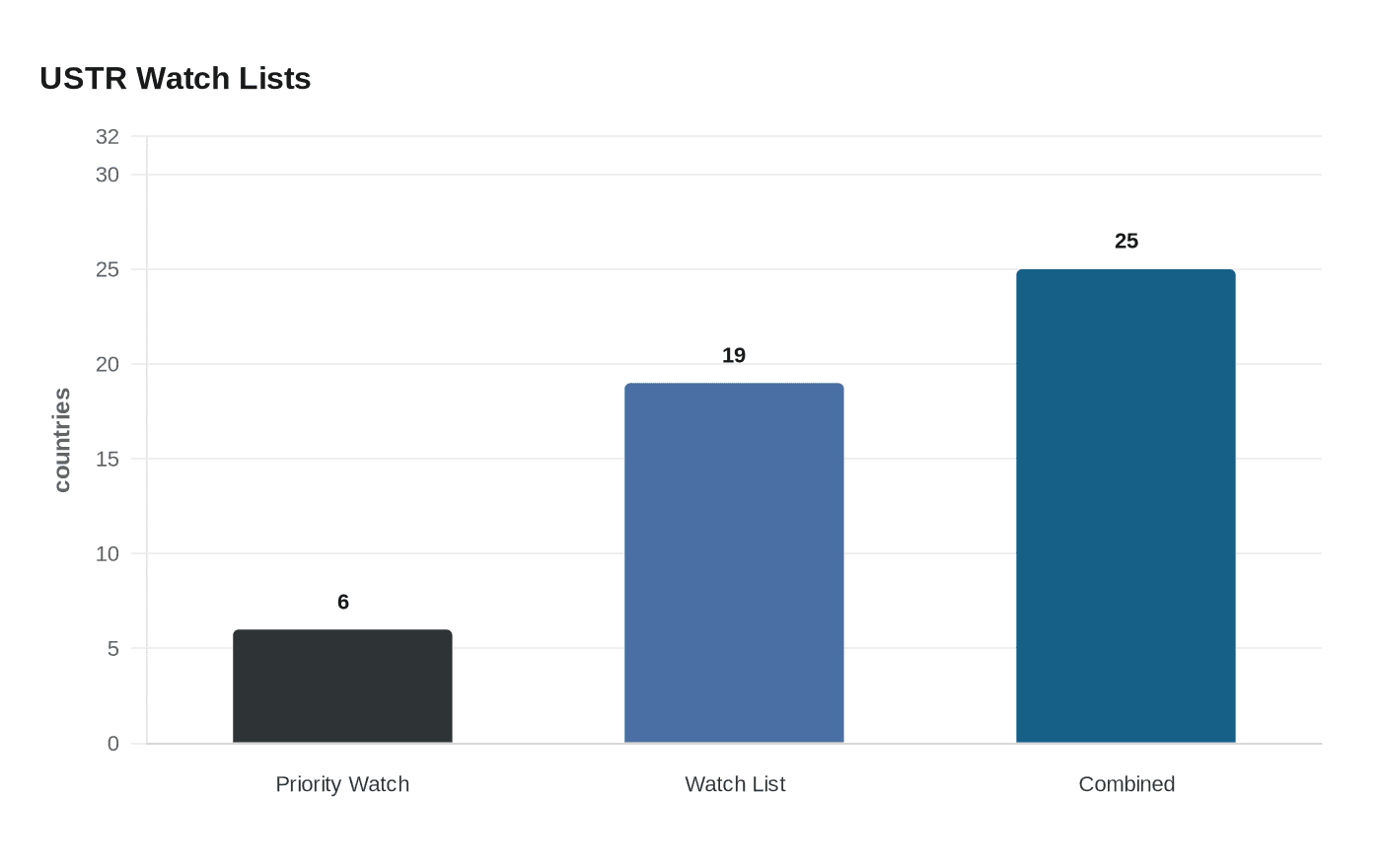
The six countries on the 2026 Priority Watch List were Chile, China, India, Indonesia, Russia and Venezuela. Argentina and Mexico moved from the Priority Watch List to the Watch List, Bulgaria was removed from the Watch List, and the European Union was added. USTR said 25 countries were on the Priority Watch List or Watch List combined, with 19 trading partners on the Watch List.

The report reaches well beyond naming countries. Its focus areas include counterfeiting, online piracy, pharmaceutical and medical-device market access, trade secrets, forced technology transfer and geographical indications. Those are the exact issues that can ripple into licensing structures and supply-chain decisions when clients are trying to defend margins, document value creation and avoid customs or tax controversy. For KPMG Trade & Customs, the practical question is where enforcement pressure will spill into valuation disputes, royalty characterization and border scrutiny next.
USTR said the Special 301 review is conducted under Section 182 of the Trade Act of 1974, as amended by the Omnibus Trade and Competitiveness Act of 1988 and the Uruguay Round Agreements Act. The agency said it solicited input from U.S. embassies, U.S. government agencies and interested stakeholders, and that the draft report was developed through the Special 301 Subcommittee of the interagency Trade Policy Staff Committee. USTR’s public hearing notice for the 2026 review was published on December 11, 2025.
For KPMG professionals, the signal is clear: IP enforcement is no longer a siloed legal issue. As trade policy tightens, the same facts that drive customs exposure can also shape transfer-pricing positions, tax controversy strategy and the durability of cross-border operating models.
Know something we missed? Have a correction or additional information?
Submit a Tip