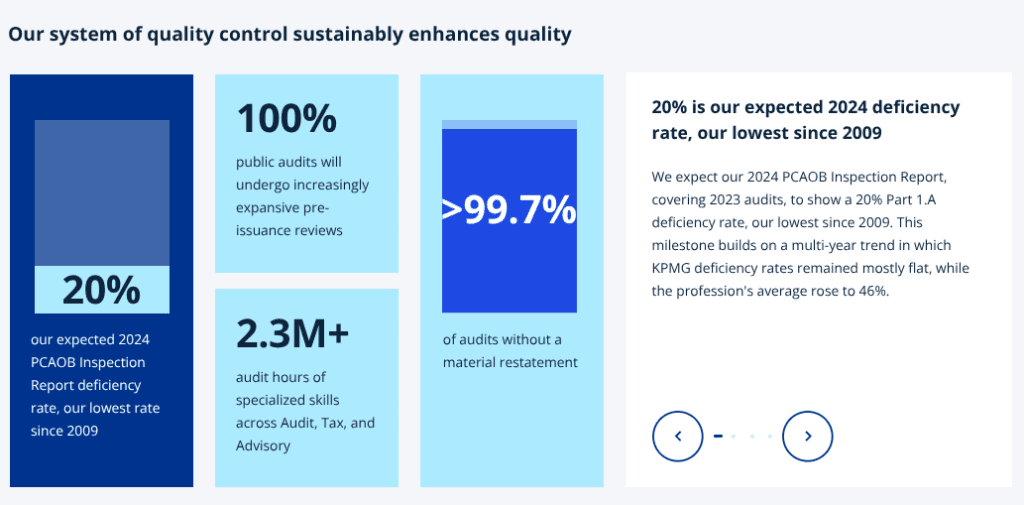
KPMG Leads Dallas-Fort Worth H-1B Visa Approvals With 2,675 Petitions
KPMG LLP topped Dallas-Fort Worth H-1B approvals with 2,675 between 2020 and 2025, outpacing UT Southwestern, Dallas ISD, and Texas Instruments combined.
With 2,675 approved H-1B petitions between January 1, 2020, and December 31, 2025, KPMG LLP sits at the top of the Dallas-Fort Worth H-1B rankings by a margin that no local university, hospital, or tech company came close to matching. The numbers reflect how H-1B hiring has quietly reshaped the workforce of North Texas' largest cities over the past five years, and for a Big 4 firm whose Dallas operations span audit, tax, advisory, and consulting, the scale of the figure carries real implications for how KPMG builds and maintains its professional staff.
UT Southwestern Medical Center recorded 1,379 approvals in Dallas, Dallas Independent School District 1,272, and Texas Instruments 988, according to the USCIS H-1B Employer Data Hub, which covers the same period. KPMG's total surpasses the second- and third-ranked employers combined. The full ranking places AT&T Services at fourth with 1,204, Texas Instruments fifth with 1,040, and AECOM Technical Services sixth with 682. Further down, Southwest Airlines logged 473 approvals and CBRE 266, with Southern Methodist University and Donato Technologies also appearing in the top ten.
The data come from the USCIS H-1B Employer Data Hub, which was recently updated to include late 2025 approvals that were not previously reflected in the dataset. That update matters: the figures now represent the most complete picture of the full five-year window and will inform both how firms plan future filings and how critics frame their arguments.
That context is not academic. The rise in H-1B sponsorship comes amid the Trump administration's immigration crackdown, putting companies under heightened scrutiny; while supporters of H-1Bs believe skilled migration boosts the U.S. economy, critics argue that expanded use of H-1Bs can undercut opportunities for American employees. For a professional services firm like KPMG, where the business model depends on deploying credentialed specialists, the H-1B pipeline is less a recruiting convenience than a structural component of workforce strategy.
Nationally, the Professional, Scientific, and Technical Services sector accounts for the largest share of approved H-1B new hires, with 73,738 workers sponsored in 2025; that category alone represents roughly 40% of all H-1B new hires across industries. KPMG's dominance in the Dallas rankings is consistent with that national pattern, and with the firm's well-documented practice of staffing client engagements with specialists who hold graduate degrees in accounting, finance, data science, and engineering disciplines that feed directly into the H-1B's specialty occupation definition.

The filing environment those 2,675 approvals were built over is now materially different. A Presidential Proclamation introduced a $100,000 fee for many new H-1B petitions filed after September 21, 2025; the fee does not apply to renewals, extensions, or petitions filed before that deadline. A final rule announced in December 2025 also implements a weighted selection process that will favor allocating H-1B visas to higher-skilled and higher-paid workers, effective February 27, 2026, for the FY 2027 cap registration season.
For KPMG professionals who hold H-1B status or are mid-process on renewals, the more immediate concern is compliance precision. The H-1B changes in 2026 represent the most significant shift in the program in decades: the $100,000 supplemental fee, a wage-based lottery, expanded enforcement, and the elimination of automatic EAD extensions are transforming immigration from an administrative function into a core workforce risk. At a firm where a mishandled internal deadline can mean losing a specialist for an entire fiscal year, the operational stakes of this regulatory shift are significant.
Because public universities are exempt from the annual H-1B cap, they can file petitions year-round, making taxpayer-funded institutions less restricted than their private-sector counterparts, who must compete for 85,000 annual visas. That distinction is relevant when reading the Dallas rankings: Dallas ISD's 1,290 approvals and UT Southwestern's 1,379 were accumulated under different rules than KPMG's 2,675, which were subject to the lottery and annual caps throughout the five-year window. KPMG's lead, in that light, reflects an especially concentrated and deliberate immigration effort.
Know something we missed? Have a correction or additional information?
Submit a Tip