KPMG links audit quality to employee well-being and automation
KPMG is tying audit quality to how teams work, not just what they know. The firm is betting that lighter busy-season loads, better managers and more automation will improve both retention and execution.

Average weekly hours worked on KPMG audit engagements during the traditional busy season declined by 18% compared with 2020, KPMG said in its FY24 Audit Quality Report. The figure underpins KPMG’s argument that audit quality depends on the way work is designed, not just the technical skill of the people doing it. In KPMG’s framing, the passion and collaboration of auditors matter, but they do their best work in a healthy environment with manageable workloads, strong relationships and enough automation to cut repetitive drain.
Culture is being treated like a control, not a slogan
The link between firm culture and audit outcomes is central to KPMG’s argument. In its December 5, 2024 staff spotlight report, the Public Company Accounting Oversight Board said audit firms still have room to improve cultures of accountability that promote audit quality. The report drew on more than 150 interviews with partners at the largest U.S. audit firms.
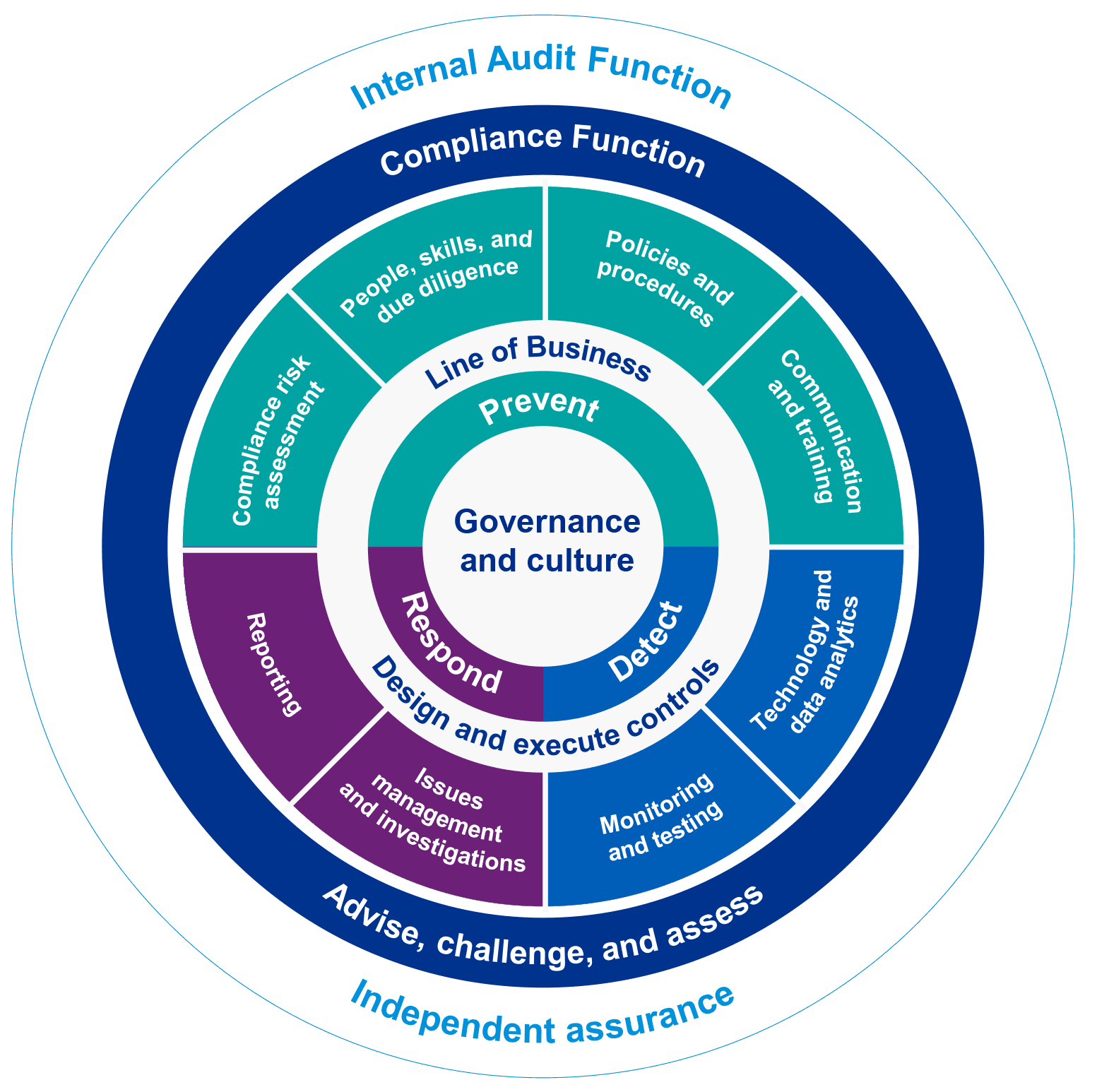
That framing matters inside a firm like KPMG because culture is often discussed as an engagement issue or a retention issue when it is also a quality issue. If people are overloaded, disconnected or stuck in a defensive team climate, the work that gets rushed is not just the work people dislike most. It is often the work that needs the most judgment. KPMG’s argument is that the firm’s operating environment should help people catch risks earlier, escalate problems faster and preserve the time needed for higher-risk audit areas.
Busy-season relief shows up in the numbers
KPMG has started to attach hard metrics to that idea in its FY24 Audit Quality Report. KPMG is trying to reduce the old audit model where too much work piles up in the same months, on the same teams, with the same managers carrying the same overload.
KPMG has spent years reimagining audits by pulling work forward, standardizing and centralizing tasks, and using automation to reduce the burden of the traditional busy season. For staff and seniors, that can mean fewer late-season surges on routine work and more time on exceptions, judgment calls and issue resolution. For managers and partners, it changes what good leadership looks like: planning ahead, assigning work earlier, and making sure the team is not forced into a last-minute scramble that leaves quality vulnerable.
Automation is now part of the audit operating model
KPMG’s technology story is not separate from the well-being story. The firm says its cloud-based smart audit platform, KPMG Clara, is used on every KPMG audit worldwide. A platform deployed at that scale becomes part of how work gets assigned, tracked and reviewed across the network.
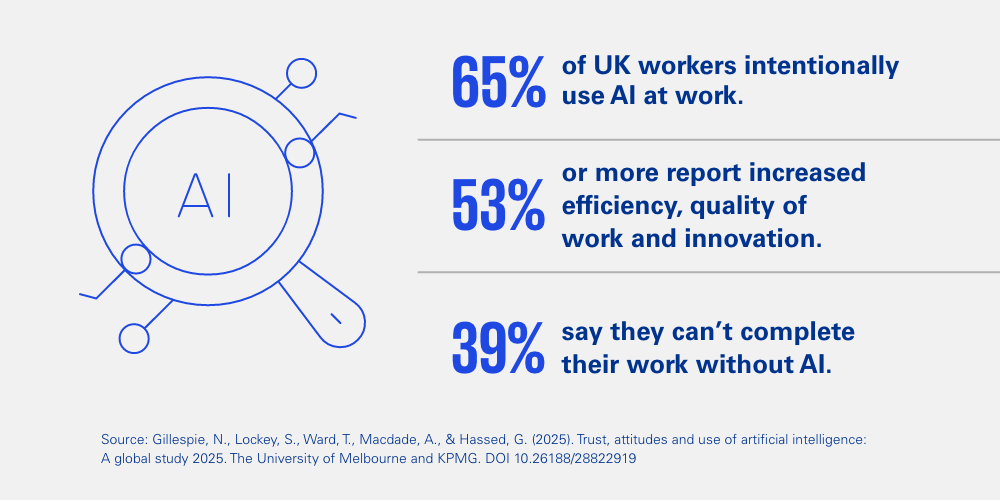
The 2024 upgrades to KPMG Audit Chat and KPMG Clara landed alongside the deployment of Copilot for Microsoft 365 to all KPMG partners and professionals as part of the firm’s aIQ transformation initiative. That combination reflects a broader shift in workflow design: AI is no longer just for pilots, labs or isolated use cases. It is being threaded into the daily tools people use to draft, summarize, search and organize work. The practical effect is that lower-value tasks should take less time, while reviewers and engagement leads should be able to spend more attention on the parts of an audit that require judgment, skepticism and documentation discipline.
KPMG is also embedding GenAI into workflows under its Trusted AI framework. If AI can remove friction without weakening controls, it can support upskilling and free people for higher-value work. Automation only helps if the time it saves is actually redirected to better testing, better coaching and better review quality instead of simply being absorbed by more volume.
Lakehouse is part learning hub, part retention strategy
KPMG’s culture pitch also runs through KPMG Lakehouse, the firm’s Orlando campus and training center. KPMG describes the site as “KPMG on its best day,” and says it is designed to encourage interaction, collaboration and discovery through immersive learning and micro-learning. The model is less isolated training, more embedded coaching, and more chances for people across levels to build trust in person.
The Orlando campus opened in January 2020 and cost around $450 million. The investment reflects a view that in-person learning and relationship-building are not optional extras.
For people trying to move from staff to senior manager or from manager to partner track, that matters. These are the years when people learn not only the technical standards but also how to coach, how to run a team and how to keep quality intact under deadline pressure. KPMG uses Lakehouse to pull people out of the daily scramble and into structured, high-contact learning.
Work friendships are now part of the talent equation
KPMG’s Friends at Work survey adds another layer to the argument. The inaugural survey sampled 1,000 full-time professional employees and linked workplace relationships to engagement, satisfaction and performance. In the survey, 68% said workplace friendships have a positive impact on job performance, and one-fourth said they experience isolation and loneliness at least some of the time.
In a firm where much of the work is collaborative, pressure can still feel isolating. Audit teams spend long hours together, but that does not automatically translate into belonging. Friendships help people feel connected, stay engaged and handle the strain of professional work more effectively. Most employees expect employers to help facilitate friendships through extracurricular activities and employee resource groups, which turns social connection into a management responsibility rather than a perk.
If people feel isolated, they are more likely to disengage when workload spikes or when promotion pressure intensifies. If they feel connected to colleagues and managers, they are more likely to stay through the hard stretches that define professional-services careers.
What this means for the work itself
KPMG is trying to make culture, technology and audit quality reinforce each other. That shows up in the way it talks about managers, team design and workload, not just in the language of employee experience. A better audit environment, in the firm’s model, is one where work is pulled forward, repetitive tasks are standardized or automated, friendships and coaching are easier to build, and people spend more time on judgment-heavy work.
This article was produced by Prism’s automated news system from verified source data, official records, and press releases, then run through automated quality and moderation checks before publishing. The system is built and supervised by the people who set the standards it runs under. Read our full AI policy.
Did this article answer your question?