KPMG promotes audit careers as AI-driven and people-centered
KPMG is positioning audit as an AI-enabled career path, and the people most likely to advance are the ones who pair judgment, training, and digital fluency.
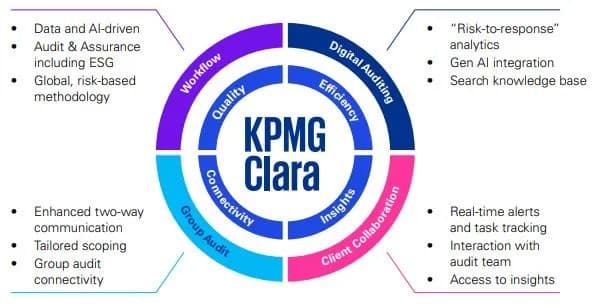
KPMG’s audit careers pitch is no longer just about compliance and busy season survival. The firm is presenting Audit and Assurance as a people-centered, technology-enabled path built around empowered teams, stronger platform capabilities, and work that is supposed to matter. That matters for anyone inside the practice because it shows how KPMG wants auditors to think about their value: less as tick-and-tie operators, more as professionals who can work inside a digital workflow and still bring judgment to the client relationship.
Audit is being framed as a platform, not a checklist
The clearest signal in KPMG’s audit materials is that the firm wants the practice to read as a modern service line, not a legacy back office. Its international audit page says it is transforming the audit experience by harnessing the latest technology and tells auditors they can “expect more from your audit with AI.” The global careers page adds a broader cultural layer, saying KPMG wants candidates to create an impactful career and “do work that matters.”
That framing lines up with the way the Audit and Assurance careers page describes the practice in the United States: empowered teams, next-generation platform capabilities, and a people-centered approach. For auditors, that combination suggests the job is being reorganized around toolsets and workflows as much as around accounting standards. The practical takeaway is that the strongest performers will be the people who can use technology without losing the ability to explain risk, challenge management, and document conclusions clearly.
What the workflow shift means on the ground
KPMG’s messaging around AI, automation, and advanced analytics points to a different day-to-day audit experience than the one many senior people started with. The UK graduate audit page says technology audit opportunities are expanding because AI, robotics, advanced analytics, and blockchain are reshaping the market. That is not just a recruiting slogan. It points to a profession where evidence gathering, testing, and issue spotting are increasingly mediated by digital tools.
For staff and seniors, that usually means less time on repetitive extraction and more time on reviewing patterns, testing exceptions, and talking through what the numbers mean with clients. It also raises the technical bar. Someone who can use the platform, understand how data moves through it, and translate outputs into a defensible audit conclusion is going to look more promotable than someone who only knows how to work manually. KPMG’s video, “Empower your Next-Gen Audit career,” reinforces that message by saying next-gen auditors use advanced technologies and receive world-class training.
Who is most likely to move up or move in
KPMG’s own candidate structure gives a clue about how it thinks about progression. On its U.S. careers site, early-career candidates are those currently pursuing college coursework or who completed a bachelor’s degree or higher in the past 12 months. Experienced candidates are those who graduated more than 12 months ago. That distinction shows the firm is separating its pipeline into entry-level talent and a more seasoned track, which matters for anyone deciding whether audit is a launchpad or a long-term home.
The practice-area structure makes the internal mobility story clearer. KPMG’s U.S. careers materials list Audit alongside Tax, Advisory, Business Support Services, Federal, and Technology. In other words, audit is not being marketed as an isolated lane. It sits inside a larger professional-services ecosystem, which makes it easier for people to imagine moving across service lines or building a broader career from an audit start.

That matters especially for ambitious auditors who want partner track optionality. A person who can handle quality work, adapt to new tools, and collaborate across teams is better positioned for promotion than someone who treats audit as a narrow technical specialty. KPMG’s language around collaboration, growth, and opportunities across the firm is doing a lot of work here. It is signaling that the next rung is not just for the strongest technical preparer, but for the people who can combine client service, platform fluency, and cross-functional judgment.
The global pages show the same pattern in different accents
KPMG’s international materials tell the same story with local emphasis. In Sweden, the careers page says the firm offers many opportunities within auditing, including external audit and other audit-related roles. In the United Kingdom, the experienced-professional page says audit teams provide the highest quality independent audits and the insights clients need to navigate a continually evolving regulatory environment. In Canada, the experienced-hire audit page says audit and assurance work helps build trust in capital markets.
Those differences matter because they show how KPMG tailors the same core role to different talent pools. The UK language leans toward quality and regulatory pressure. The Canada page leans toward trust and market infrastructure. The Sweden page is broader, which makes audit sound like a flexible entry point into multiple related roles. For anyone inside KPMG trying to understand where the firm is pushing talent, the common thread is that audit is being sold as a platform for analytical work, not a static compliance assignment.
The benefits and scale back up the pitch
KPMG is also packaging the role with practical employment details that matter to people weighing workload against rewards. Its U.S. audit jobs board lists benefits including up to 25 PTO days per year, depending on job classification, level, and years of service. That is a useful signal in a profession known for compressed deadlines, especially around busy season. PTO is not the whole story, but it does show that the firm is trying to make the role feel sustainable enough to attract people who could otherwise go straight into another Big 4 lane or a corporate finance seat.
Scale matters too. KPMG’s U.S. practice-area page says the firm has more than 40,000 employees and partners working across the U.S. KPMG International also said in December 2024 that global revenue rose 5.1 percent to US$38.4 billion, and in December 2025 that revenue reached US$39.8 billion on a continued-operations basis. Those figures do not tell an auditor what their week will look like, but they do explain why the firm can keep investing in training, digital infrastructure, and the kind of platform language now showing up across its careers pages.
The bigger message is straightforward. KPMG wants audit to be seen as a technology-forward career with real mobility, not a dead-end grind. The people most likely to advance are the ones who can combine strong execution with digital fluency, learn the new workflow quickly, and still deliver the quality and judgment that the practice says it is built on.
This article was produced by Prism’s automated news system from verified source data, official records, and press releases, then run through automated quality and moderation checks before publishing. The system is built and supervised by the people who set the standards it runs under. Read our full AI policy.
Did this article answer your question?