KPMG updates personal tax planning guide for year-end clients
KPMG's year-end tax guide doubles as a cheat sheet for client season, especially for teams fielding questions on rates, filing status and planning windows.
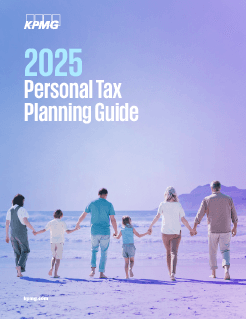
KPMG's Personal Tax Planning Guide is the kind of reference that earns a permanent spot in a browser tab once year-end work starts piling up. It gives tax, audit and advisory teams a shared way to talk about individual income tax planning, tax rates and filing status without having to rebuild the basics for every client conversation. The 2025 edition is prepared by professionals from KPMG's Washington National Tax office and is built to help readers plan for the year ahead.
Who should keep it bookmarked
The obvious audience is tax professionals, but the guide is just as useful for auditors and advisory teams who regularly run into personal tax questions in the middle of broader client work. Senior associates, managers and directors are often the people expected to turn technical rules into something a client can act on, and this is exactly the sort of reference that helps them stay crisp when the conversation moves from compliance into planning.
It also matters for anyone who works around high-net-worth households, private clients or family office issues. Even if you are not the person preparing the return, you are likely to hear about compensation structures, equity awards, withholding decisions, deductions, retirement timing and life-event changes that affect the shape of a year-end tax plan. Having the guide close at hand makes it easier to understand the architecture of those decisions before a client meeting or a cross-functional internal huddle.
Why it fits KPMG's year-end rhythm
The guide is not a one-off marketing piece. KPMG published a 2024 page and a PDF titled 2025 Personal Tax Planning Guide, and the firm also has a 2026 Personal Tax Planning Guide on its U.S. site. That annual cadence matters inside a large practice because it shows how quickly the baseline changes and why recurring refreshers are part of the job, not an extra.

A 2021 PDF dated Nov. 23, 2020 ran 80 pages and focused on new tax law changes and the planning that follows from them. Put alongside the newer editions, that history shows the guide has become a standing year-end reference rather than a temporary briefing note. For people on the partner track, that consistency is part of the value: it signals that clients are not looking for a one-time memo, they are looking for an update they can come back to every season.
What the latest edition is built around
The 2026 guide on KPMG's U.S. site opens with an introduction and then moves into individual income tax planning, tax rates for 2025, 2025 tax rate tables and determining filing status. That structure tells you how KPMG expects the guide to be used in practice: start with the core rules, then move into the details that shape a specific household's outcome. For employees, it is a useful reminder that the most common client questions are also the ones that demand the clearest explanation.
The 2025 guide carries the same year-end purpose. KPMG says it supports year-end tax planning and helps readers plan for the year ahead, which makes it especially useful in December conversations when clients are trying to decide whether to accelerate deductions, revisit withholding or rethink filing status before the calendar turns. Those are the moments when technical accuracy and plain language matter just as much as the answer itself.
Where non-tax professionals can use it
For advisory professionals, the guide is useful beyond tax compliance because it gives you a cleaner way to connect adjacent issues. A mobility discussion, a compensation review, an estate conversation or a family office engagement often touches the same planning windows and filing questions that sit in this guide. If you can speak about those basics with confidence, you sound more credible in the room even when the tax specialist is not the one leading the meeting.
It is also a practical tool for auditors and consulting teams that need to understand what is driving client behavior at year-end. In a Big Four firm, cross-functional work breaks down quickly if people do not share the same vocabulary around rates, filing status and timing. A guide like this helps keep those conversations grounded, which matters when the work is moving fast and multiple teams are weighing in on the same household or executive situation.
Why KPMG's version sits inside a wider market habit
KPMG is not alone in publishing this kind of annual guide. Cohen & Co., BDO, Wells Fargo, J.P. Morgan Private Bank and KLR all publish comparable year-end tax planning guides, which shows how common this seasonal format has become across tax and wealth management. For KPMG employees, that is a reminder that the firm is competing in a market where clients expect timely, practical planning help, not just technical commentary.
The broader KPMG backdrop also matters. The firm says it was the first of the Big Four to organize itself along the same industry lines as clients, and that approach shows up in how this guide is packaged for different audiences. A personal tax guide that is meant for both external clients and internal teams is doing more than explaining law. It is reinforcing the firm's expectation that people can translate complexity into advice that is usable when the client meeting starts and the calendar is already crowded.
This article was produced by Prism’s automated news system from verified source data, official records, and press releases, then run through automated quality and moderation checks before publishing. The system is built and supervised by the people who set the standards it runs under. Read our full AI policy.
Did this article answer your question?