KPMG Salary Data on Glassdoor Reveals Compensation Trends Across Roles
Glassdoor's KPMG salary page aggregates tens of thousands of employee-submitted pay entries, giving workers and recruiters a live benchmark across roles worldwide.
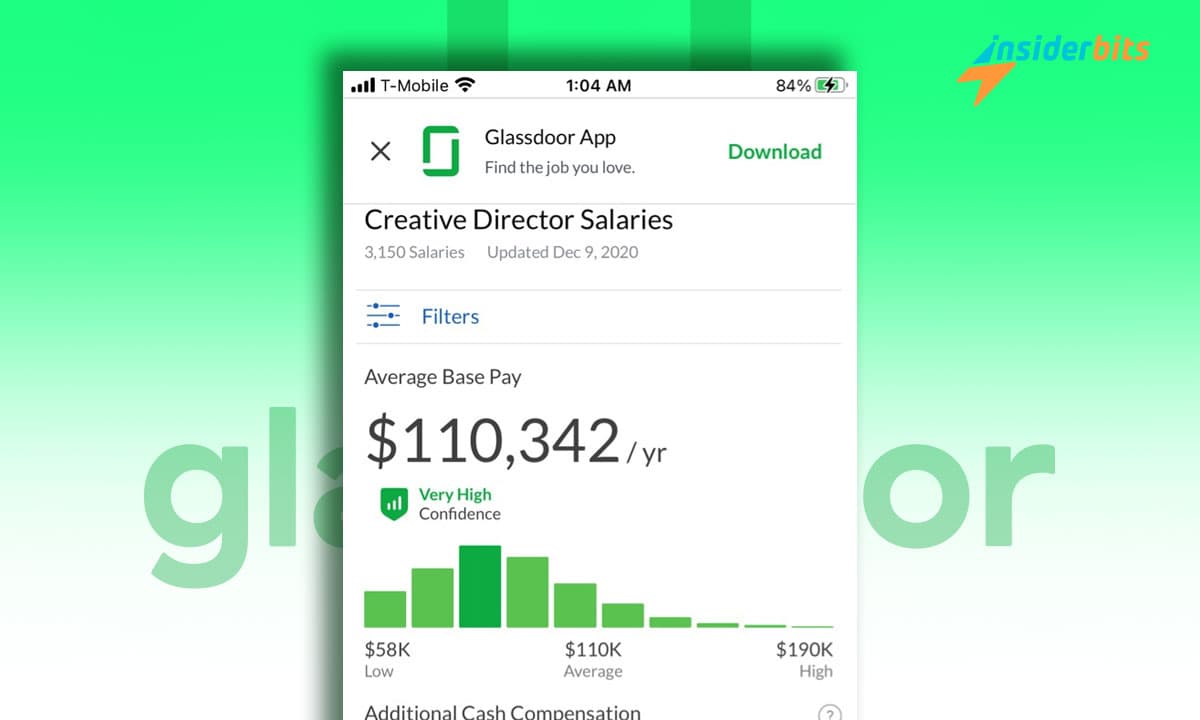
Tens of thousands of compensation entries submitted by current and former employees power Glassdoor's dedicated KPMG salary page, creating one of the more detailed public databases of pay data available for a Big Four firm.
The page aggregates user-submitted figures by job title and location, allowing anyone from an analyst weighing a first offer to a senior manager benchmarking a promotion to pull role-specific numbers rather than relying on broad industry averages. Because the data is continuously updated, the figures shift as new submissions come in, reflecting changes in market pay rather than freezing at a single point in time.
Employees, recruiters, and HR teams are among the primary users of the resource. For recruiters, the aggregated statistics offer a read on what candidates are likely to have already seen before walking into a compensation conversation. For HR, the data represents a version of how KPMG's pay structure looks from the outside, regardless of internal benchmarking.
The global scope of the dataset means comparisons extend beyond domestic offices. A consultant in London, an associate in Toronto, or an advisory professional in Sydney can pull location-specific figures rather than relying on U.S.-centric compensation guides that frequently dominate public salary discussions in professional services.

The crowdsourced model that underlies Glassdoor's methodology means the accuracy of any individual data point depends on the volume and honesty of submissions for that particular role and location. Titles with fewer submissions carry wider uncertainty, while high-volume entries for common roles such as associate or senior associate tend to produce more stable aggregated figures.
For KPMG professionals navigating compensation reviews in 2026, the page remains a starting point rather than a final answer, but one that draws on a scale of self-reported data that few comparable resources can match.
This article was produced by Prism’s automated news system from verified source data, official records, and press releases, then run through automated quality and moderation checks before publishing. The system is built and supervised by the people who set the standards it runs under. Read our full AI policy.
Did this article answer your question?


.pdf%2F_jcr_content%2Frenditions%2Fcq5dam.thumbnail.319.319.png&w=1920&q=75)