KPMG says AI will reshape audit quality and human judgment
KPMG is turning audit quality into an AI-era operating model. Clara upgrades push routine work to tools, while judgment moves toward risk, assumptions, and oversight.
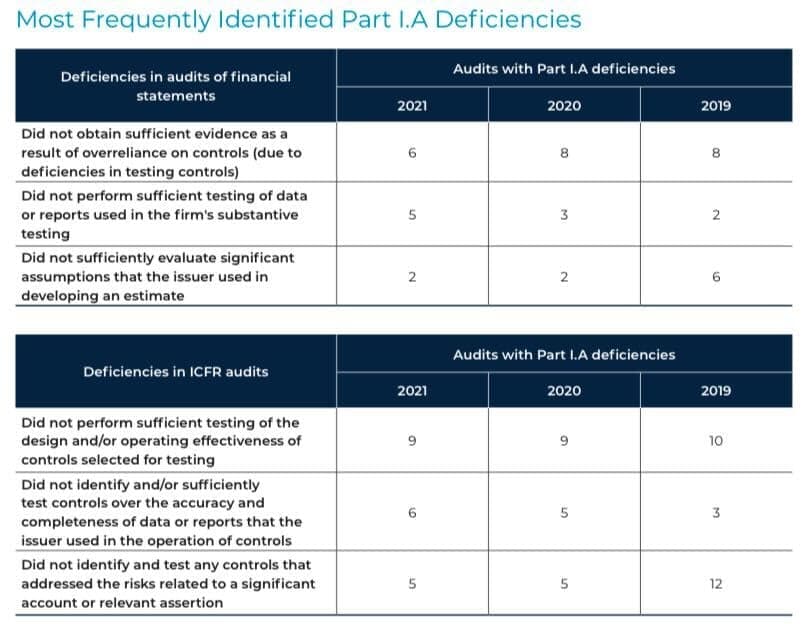
KPMG’s 2024 Public Company Accounting Oversight Board inspection report showed the firm’s lowest Part 1.A deficiency rate since 2009. The result anchors its latest audit quality report and the audit model it is building around faster routine work, tougher judgment, and clearer explanations for clients and regulators.
Inspection results now set the floor
KPMG had already projected the result in its prior year report. That inspection cycle covered 2023 audits, and the PCAOB released the report on March 31, 2025 as part of its annual large-firm process.
PCAOB inspections test whether registered firms are complying with laws, rules, and professional standards in public-company audits. KPMG presents the result as evidence that quality is improving even as the work becomes more complex.
KPMG reported no restatements of audit opinions on the financial statements or internal control reports covering audits in 2023 and 2022. Over the past three years, KPMG says it has led the Big Four in the lowest rate of material restatements, a claim aimed at audit committees, investors, regulators, and prospective hires who use inspection performance as a shorthand for discipline and consistency.
Across all inspected firms, the aggregate Part I.A deficiency rate fell to 39% in 2024 from 46% in 2023. Among the Big Four, the aggregate rate fell to 20% from 26%. KPMG’s result sits inside that industry-wide improvement and still stands out within the peer group.
What changes in the audit file
KPMG ties the inspection result to technology. On April 23, 2025, KPMG announced accelerated AI integration in KPMG Clara, its smart audit platform, with AI agents to automate tasks and enhance decision-making.
The tools are being embedded into substantive procedures, including expense vouching and searches for unrecorded liabilities and accrued expenses. Clara includes a Financial Report Analyzer AI engine to help auditors complete disclosure checklists, shifting how teams assemble evidence and work through reporting requirements.
For staff, the practical effect is a redistribution of effort. Routine testing, document review, and some analytic work can be supported by AI, while human judgment becomes more concentrated in the areas that still define audit quality: scoping risk, challenging assumptions, and interpreting what the evidence actually means. KPMG calls the model an AI-enabled, people-powered audit experience with a human-in-the-loop.
The Clara AI deployment would support more than 95,000 auditors globally, KPMG said. That means the change is not limited to a pilot team or a niche industry group. It has implications for how engagement teams plan work, how seniors review testing, how managers sign off on exceptions, and how partners explain the audit approach to clients who now expect more speed without losing rigor.
Quality, innovation, and client conversations are becoming one lane
KPMG is treating quality and innovation as one lane. That is a notable shift for a profession that often treats technology as a productivity layer and quality as a compliance layer. The two are converging, because clients want a no-surprise, insightful audit experience while also asking their auditors to understand the AI systems shaping their businesses.
Teams will need to spend more time upfront on how AI tools affect risk assessment, where data comes from, and which controls sit around client systems that are increasingly automated. Evidence gathering will become more continuous and more system-aware, which means audit teams will need cleaner documentation of why a procedure was chosen, how an exception was resolved, and where human review overrode the machine’s suggestion.
On September 25, 2025, KPMG expanded its AI Trust offering with new AI Assurance capabilities designed to help organizations scale generative AI and agents ethically and responsibly. That pushes the firm’s AI story beyond audit into assurance and advisory work, where clients will need help explaining AI governance, testing controls, and making sure automation does not outpace oversight.
Audit teams may be asked to evaluate AI-related controls inside a financial statement audit, while technology assurance and advisory teams may be asked to stand up services that assess AI governance more directly.
What leaders and teams should expect next
KPMG is treating audit quality as a commercial differentiator as much as a regulatory requirement. A lower deficiency rate helps with oversight conversations, and KPMG is also using it to signal that the firm can deliver quality while modernizing the audit stack around Clara, AI agents, and smarter review tools.
That will change the day-to-day rhythm of work in the office and on engagement teams. Planning will lean harder on risk identification. Review will put more weight on whether the right questions were asked, not just whether the right forms were completed. And oversight will become more visible, because a human-in-the-loop model only works if reviewers understand where automation ends and professional skepticism begins.
This article was produced by Prism’s automated news system from verified source data, official records, and press releases, then run through automated quality and moderation checks before publishing. The system is built and supervised by the people who set the standards it runs under. Read our full AI policy.
Did this article answer your question?