KPMG says culture and values drive daily decisions and performance
KPMG says values shape every decision, but the real test is whether they change staffing, promotion and misconduct calls when pressure hits.
KPMG’s culture claim only matters if it changes hard decisions
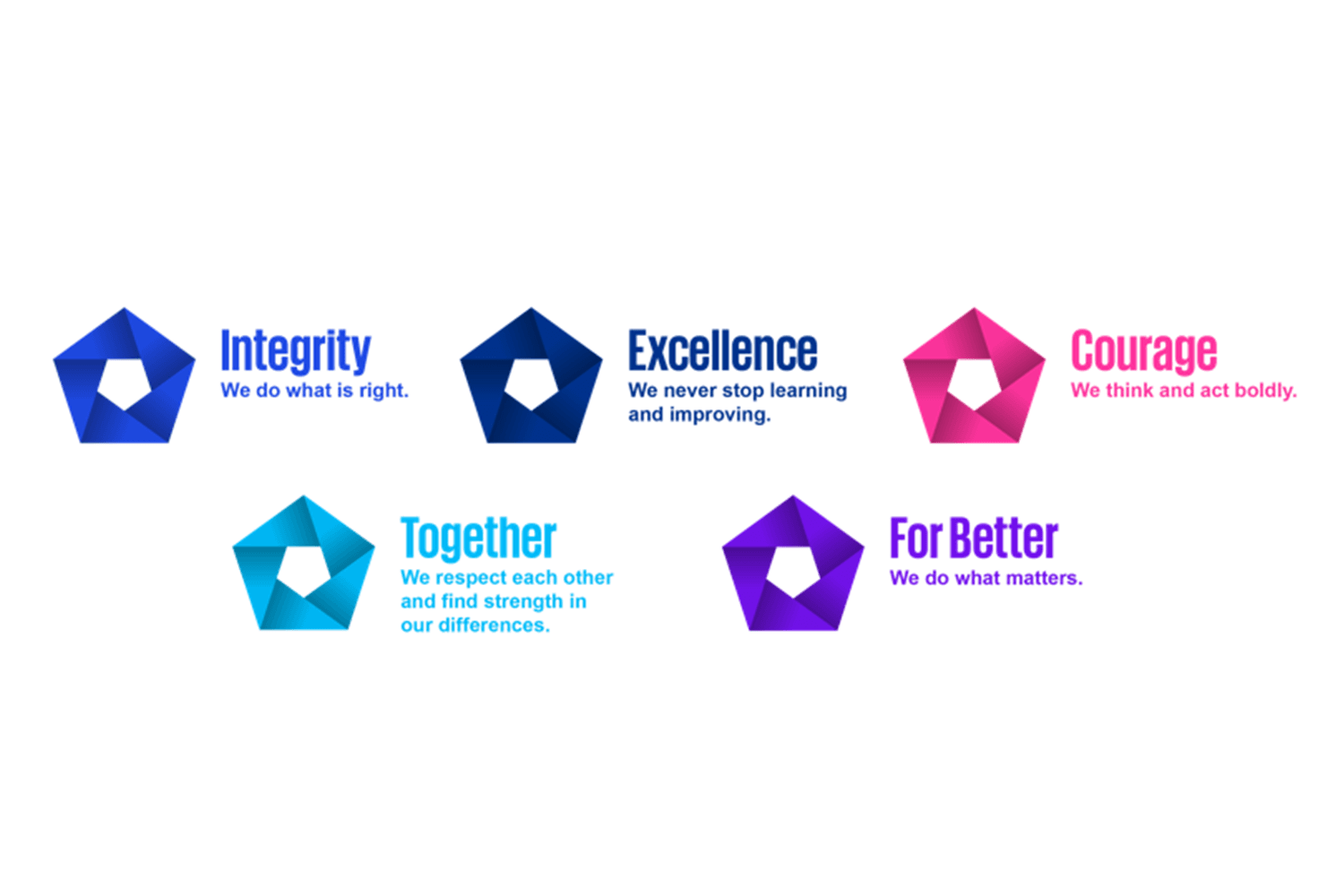
KPMG is not presenting culture as wallpaper. It says its five global values, Integrity, Excellence, Courage, Together and For Better, are the foundation of how work gets done and a guide for daily decisions. For people inside the firm, that matters less as branding than as an operating rule: values influence who gets staffed, how performance is judged, how conflict is handled and what leaders expect when deadlines, client pressure and risk collide.

That is the accountability question running through KPMG’s own materials. The firm says its values sit at the heart of its Global Code of Conduct, which sets standards for KPMG people around the world and spells out responsibilities to colleagues, clients and the public. In a business built on trust, judgment and billable pressure, the gap between those words and employee consequences is where the real story lives.
What KPMG says the values are supposed to do
KPMG’s public message is that the five values are not standalone slogans. The firm says each one is designed to work alongside the others, bind the network together across different backgrounds and cultures, and guide behavior rather than sit on a page. That interdependence matters in professional services, where a manager may need to balance speed against quality, or client service against ethical restraint, in the same hour.
The firm also links the values to broader purpose. KPMG says they are meant to help people do what is right, learn and improve, think and act boldly, respect differences and do what matters for clients, communities and the capital markets. That is a much bigger claim than saying the firm wants good teamwork. It implies that technical output alone is not enough, and that the firm expects judgment to be part of performance.
Where values become workplace mechanics
For employees, the practical question is how those values show up in the machinery of the firm. In a Big Four environment, that means hiring, staffing, promotion discussions, feedback loops and end-of-year reviews. If KPMG truly treats integrity, courage and togetherness as core, then those traits should affect who gets the best assignments, who is trusted with sensitive accounts and who moves forward on the partner track.
That is where culture becomes measurable. A values-led firm should be able to show that difficult behavior does not get rewarded simply because someone hits utilization targets or keeps a client happy. It should also show that people who raise concerns, flag risks or push back on unrealistic requests are not quietly penalized in performance conversations. The firm’s own language invites that test by tying culture to decision-making rather than to feel-good messaging.
Pressure is where the values either hold or fail
KPMG says its values are especially important when people are under pressure, and that is the most revealing part of the entire message. Pressure is the normal state in audit and advisory work, from busy-season deadlines to client disputes to the constant tension between speed and quality. If values mean anything, they have to survive the moment when a senior manager wants a deliverable moved faster, a client wants a softer answer, or a team is stretched too thin to do the job cleanly.
That is why culture stories in a firm like KPMG should not stop at inclusion language or glossy internal events. The real question is whether values influence judgment when the stakes are highest: whether a team leader backs off a risky request, whether a reviewer rewards careful escalation, and whether an employee who refuses to blur the line is seen as principled or difficult. In a business where trust is the product, those decisions matter more than any slogan on a careers page.
The code of conduct turns values into obligations
KPMG’s Global Code of Conduct is the mechanism that turns the culture message into formal expectations. The code defines what KPMG people owe one another, clients and the public, and KPMG says the values inspire both the firm’s aspirations and its behaviors. That makes the code more than compliance theater. It is the place where values become rules, and where the company can say it is not just encouraging ethical behavior but requiring it.
The U.S. code of conduct goes further by saying the firm has invested significantly in a purpose- and values-led culture through resources, training and fair processes to address misconduct and retaliation. It also requires all partners and employees to affirm annually that they will comply with the code, and says mandatory training reinforces those expectations. For employees, that means the firm is creating a paper trail of accountability, which should, in theory, make it harder for bad behavior to hide behind seniority, revenue or client relationships.
The 2020 refresh and the global rollout matter for staff
KPMG UK says the firm refreshed its values in 2020, during its 150th year, to create a single global set of ideas that fit the world as it is today. That detail matters because it shows the firm was not simply preserving an old culture. It was trying to standardize what the business stands for across the international network, which is exactly what a global firm needs if it wants promotion criteria, feedback norms and conduct expectations to feel consistent from one office to another.
The scale of that rollout also tells you how seriously the firm wants to be taken internally. In May 2025, KPMG Global Values Week brought together 275,000 colleagues across more than 140 countries and territories. That is not a small internal campaign; it is a signal that the firm treats values as part of the operating model. The remaining test is whether that global message is visible in the local realities employees feel every day, especially when managers are making staffing calls and partners are deciding what behavior gets rewarded.
What this means for people inside KPMG
For current employees, the most useful reading of KPMG’s culture language is not the branding. It is the standard it sets for leadership. If values are truly central, they should show up in how people are promoted, how feedback is delivered, how misconduct is handled and how much room teams have to push back when client pressure runs ahead of good judgment.
For candidates, the message is equally clear. KPMG is signaling that it wants people who can operate with discipline inside a structured, performance-driven environment, not just people who can produce polished work. That fits a firm that says it wants to be trusted and trustworthy, and it explains why values are being framed as a competitive advantage as well as a moral one.
The hardest part is also the most important: values only matter when they cost something. In a firm like KPMG, that means they have to hold up when revenue, promotion, workload and risk are all pulling in different directions.
This article was produced by Prism’s automated news system from verified source data, official records, and press releases, then run through automated quality and moderation checks before publishing. The system is built and supervised by the people who set the standards it runs under. Read our full AI policy.
Know something we missed? Have a correction or additional information?
Submit a Tip