KPMG survey finds consumers spending selectively on summer experiences
Americans are still planning summer trips, but 76% are eating at home more often and 31% rarely dine out to pay for them.

KPMG’s latest Consumer Pulse points to a customer who is not spending less so much as spending differently. Americans are protecting the trip, concert or game they actually want by cutting back on routine costs, including dinners out, with 76% saying they are eating at home more often to save money and nearly one-third, 31%, saying they rarely or never go out to eat dinner or order takeout.
That tradeoff matters for anyone advising consumer, retail, travel and hospitality clients at KPMG LLP. The April 23 survey found that 60% of Americans planned to travel this summer, but nearly four in 10 were building those plans around a specific experience or event. Another 38% were looking for cheaper alternatives where possible, which suggests demand is still there, just more deliberate and more price-sensitive than the broad consumer mood would imply.

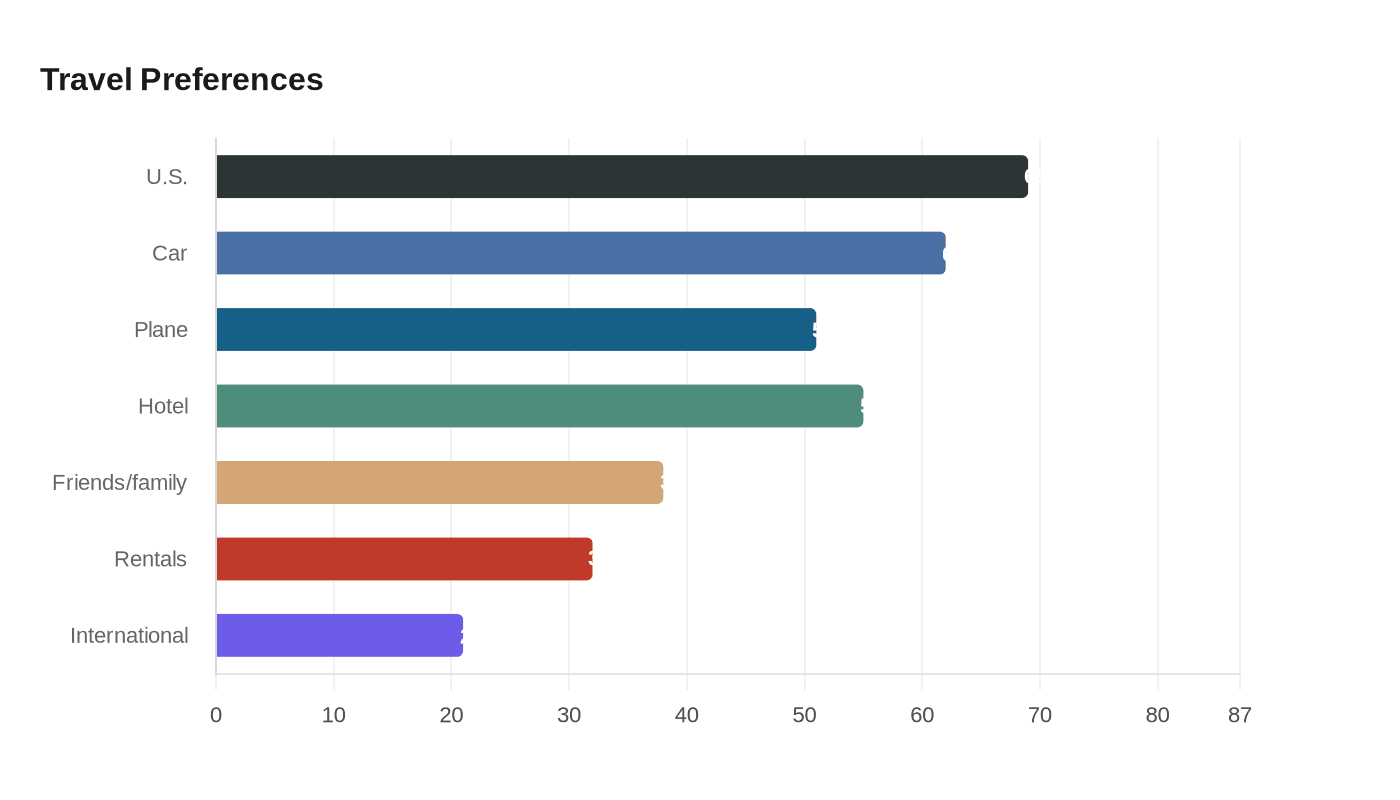
The travel mix also shows where the pressure and opportunity sit. KPMG said 62% of travelers preferred to go by car and 51% by plane, while 69% planned to stay in the United States and only 21% were planning international trips, down from 28% in 2025. Hotels remained the most popular accommodation at 55%, but the preferred stay shifted by income, with higher-income households showing a stronger preference for vacation rentals, at 32%, and lower-income travelers leaning on friends or family, at 38%.
For firms serving those clients, the sharper point is that the buying journey is moving earlier and becoming more digital. KPMG said 27% of consumers now use AI tools when planning trips, up from 14% two years ago. That has real implications for customer strategy, pricing, loyalty, digital funnel optimization and demand forecasting, because brands have to show up before the booking page, not just compete at checkout. It also means the value proposition has to be clearer: consumers are not simply chasing low prices, they are deciding which experiences are worth cutting elsewhere to fund.
The backdrop makes the shift even clearer. In KPMG’s Summer 2025 Consumer Pulse, based on a nationally representative survey of 1,516 U.S. consumers, nearly 4 in 10 reported a decline in household income, over 70% said a recession was likely within the next 12 months and 79% expected tariffs to drive higher prices. Even then, 58% still planned to travel. For retail, travel and hospitality employers, that points to demand that is still holding up, but arriving with a tighter budget, a narrower intent and far less room for waste.
This article was produced by Prism’s automated news system from verified source data, official records, and press releases, then run through automated quality and moderation checks before publishing. The system is built and supervised by the people who set the standards it runs under. Read our full AI policy.
Did this article answer your question?


.pdf%2F_jcr_content%2Frenditions%2Fcq5dam.thumbnail.319.319.png&w=1920&q=75)