KPMG sees Fed on hold as inflation and war pressures persist
KPMG expects no April rate cut, leaving borrowing relief delayed as March CPI rose 3.3% and gas-price expectations jumped to their highest since March 2022.
KPMG is telling clients and employees to brace for another month of expensive borrowing, stubborn inflation and higher day-to-day costs as the Federal Reserve heads toward an April hold. For consultants, auditors and deal teams at the firm, that means no quick relief on financing, travel or commuting expenses, even as war-linked energy shocks keep pressure on households and corporate budgets.
The Fed’s next policy meeting is set for April 28 and 29, with the statement due at 2:00 p.m. ET and Chair Jerome H. Powell’s press conference at 2:30 p.m. ET. The central bank already voted 11-1 on March 17 and 18 to keep the federal funds target range at 3.50% to 3.75%, with Governor Stephen Miran dissenting in favor of a quarter-point cut. In its March statement, the Federal Open Market Committee said it was watching labor market conditions, inflation pressures and expectations, and financial and international developments.

That backdrop is why KPMG said the committee is likely to stay on the sidelines in April. Inflation is still the more immediate threat, even though some Fed leaders are worried the labor market could soften enough to become a bigger problem later. The Fed’s March projections still pointed to just one quarter-point cut in 2026, and even some of the more dovish officials have signaled comfort with holding steady for now.
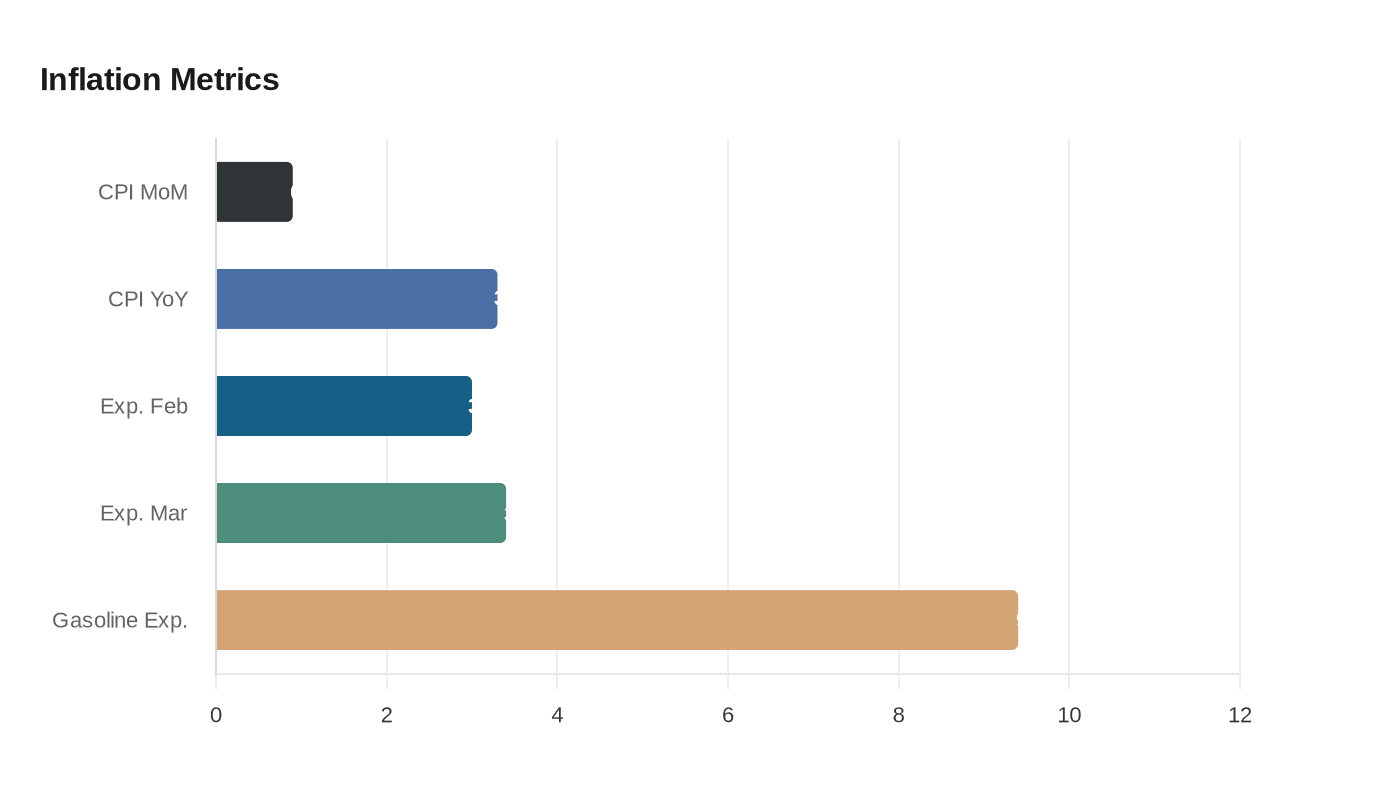
The inflation picture has not helped. The U.S. Consumer Price Index rose 0.9% in March and was up 3.3% from a year earlier, according to the Bureau of Labor Statistics. At the same time, the New York Fed’s March Survey of Consumer Expectations showed one-year-ahead inflation expectations rising to 3.4% from 3.0% in February. Expected gasoline price growth jumped to 9.4%, the highest since March 2022, underscoring how quickly the Iran war has fed into energy anxiety.
That matters well beyond macro charts in Washington. KPMG’s economics team said the combination of tariffs, immigration curbs, policy uncertainty, AI disruption and shutdown risk is already making it harder for companies to plan capital spending, financing and restructuring. For KPMG staff, that can translate into more work helping clients stress-test budgets, rework compensation plans and model scenarios, but it can also mean slower decision-making and tighter scrutiny on spending.
In its April 8 Economic Compass, KPMG said the U.S. economy could be “driving on fumes,” warning that energy shocks and tariff uncertainty could worsen both growth and inflation. The firm also said the war in Iran is not a replay of the 1970s because labor markets are more flexible and inflation expectations are better anchored, but it still raised the risk of stagflation. Diane C. Swonk has warned that such a scenario could leave a deep recession as the only clear way out, a reminder that for firms like KPMG, a Fed pause is not just about rates. It is about whether inflation keeps squeezing clients, margins and headcount decisions at the same time.
Know something we missed? Have a correction or additional information?
Submit a Tip