KPMG spotlights employee resource groups driving inclusion and development
KPMG’s employee resource groups are doing more than hosting events. They are becoming a quiet route to visibility, mentoring and mobility inside a firm where careers run on relationships.
Why ERGs matter inside KPMG
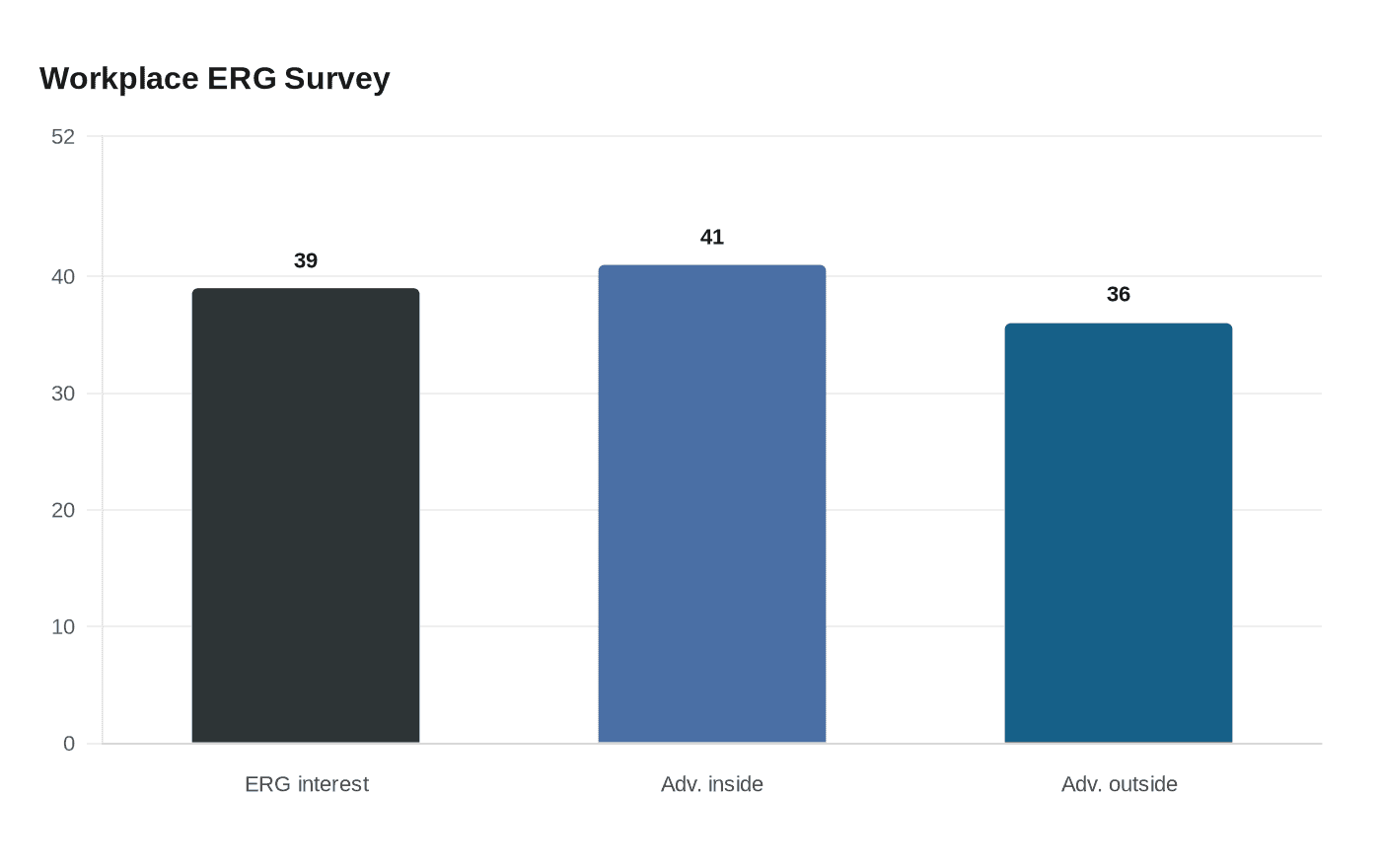
In a firm like KPMG, the career value of an employee resource group is not abstract. When promotion cycles, staffing choices and partner sponsorship all depend on who knows your work, ERGs can act as a practical bridge between isolation and visibility. KPMG’s own workplace-friendships survey helps explain the appeal: 39% of employees said they were interested in ERGs focused on inclusion, and workers said friends at work introduced them to advancement opportunities inside their current company 41% of the time, and outside it 36% of the time.

That is the real story here. ERGs are not just social add-ons for a large professional-services firm; they are part of the informal infrastructure that can shape who gets noticed, who gets advice, and who gets pulled into opportunities before the rest of the office hears about them. For consultants, auditors and advisory professionals, especially those navigating busy season, client pressure and the next promotion window, that matters.
What KPMG says these groups are for
KPMG describes its employee resource groups as partner- and employee-led communities that support the firm’s Impact and Inclusion strategy. The company says it wants to recruit, retain and develop a workforce that reflects the diversity of its clients and communities, foster an inclusive environment where people can thrive, and build trust in the marketplace through the firm’s collective voice.
That framing matters because it puts inclusion inside the operating model, not beside it. KPMG’s own 2023 Impact Plan said the Global People Survey identified compensation, inclusion, diversity and equity, and employee health and well-being as the most important material topics for its people. In other words, the firm is treating belonging, pay and wellbeing as business issues that affect retention and performance, not as side-projects for HR.
For employees, the practical question is simple: what do these groups actually give you? The answer, based on KPMG’s own examples, includes networks, leadership exposure, peer support, cross-team visibility and a place to build relationships outside your immediate engagement team.
How the network structure works across KPMG
KPMG UK says it has 16 Employee Networks, and it presents them as a way to increase collaboration, share best practice and make the firm a more enjoyable place to work. Those networks also help raise the visibility of Inclusion, Diversity and Social Equality through events tied to dates such as International Women’s Day, Black History Month, LGBT History Month, Pride, Mental Health Awareness Week and the International Day for Persons with a Disability.
That matters in a large firm because visibility is often uneven. A network event can do more than mark a calendar date; it can put junior staff in front of senior people they would not normally meet, and it can make local teams aware of colleagues with shared interests, backgrounds or experiences. In a business where staffing and sponsorship often move through informal channels, those connections can shape what comes next.
KPMG Ireland shows how formalized these structures have become. The firm says its IDE Central Committee was established in 2021 following a firmwide review of its IDE programme, which signals a more deliberate approach than a loose volunteer club. The point is not simply that the committee exists, but that inclusion has been reviewed, structured and embedded into the firm’s wider governance.
The Singapore examples show what employees can get in practice
KPMG’s Singapore employee resource groups offer the clearest picture of day-to-day value. KNOW, the KPMG Network of Women, is described as a volunteer-led group that builds a more diverse and collaborative workplace while creating networking opportunities, a speak-up culture and support for members’ careers. That combination is important in a profession where career moves often depend on who is willing to advocate for you in rooms you are not in yet.
GreenDot shows another side of the same model. The group focuses on sustainability awareness through knowledge resources, events and green initiatives, including excursions to landfills, environmental workshops and panel discussions on conservation. For employees, that means a route into a topic area that may be relevant to client work, ESG advisory, and the broader sustainability agenda without having to wait for a formal training assignment.
Rec Club is the most straightforward reminder that not every workplace pressure point is about technical progression. KPMG positions it as a social and wellness-oriented community that keeps the firm connected through social and sporting events plus wellness and Fun@Work activities. In a job built around deadlines, client demands and long stretches of screen time, those activities can help people stay connected to colleagues they might otherwise only know through late-night email threads.
The broader inclusion architecture is global, not local
KPMG’s Global Pride network shows how the firm has built these structures over time. The network has supported LGBTQ+ employees since 2016, KPMG became a signatory to the UN Human Rights Office Standards of Conduct for Business in 2017, and the firm has hosted an annual Global Pride Conference since 2020. Those milestones suggest an effort to give the network continuity, not just visibility during a single month of the year.
For employees, that continuity is what makes a network useful. A one-off event can raise awareness; a standing network can create mentors, safe contact points and a place to hear how others have navigated performance reviews, client exposure or high-pressure assignments. It can also make it easier to find allies across offices and service lines, which is often where the career value lies.
What this means for careers at KPMG
The lesson for people inside KPMG is that ERGs are worth treating like part of your career strategy, not just your social calendar. They can give you access to senior colleagues, broaden your internal network and surface opportunities you might not see from within your own team or engagement. In a firm where informal knowledge-sharing often determines who gets the next big project, that can translate into real mobility.
They also help with staying power. Busy season, travel, staffing changes and pressure to perform can make large firms feel anonymous, and ERGs offer one of the few institutional ways to create belonging without leaving your line of work. KPMG’s materials make the case clearly enough: inclusion is not just about representation, it is about building the networks that help people stay, grow and move up.
This article was produced by Prism’s automated news system from verified source data, official records, and press releases, then run through automated quality and moderation checks before publishing. The system is built and supervised by the people who set the standards it runs under. Read our full AI policy.
Know something we missed? Have a correction or additional information?
Submit a Tip