KPMG: Trade court strikes down U.S. import surcharge, opens refund questions
KPMG trade teams are racing to map refund claims after a court voided the 10% import surcharge, but relief was limited and the appeals fight started immediately.
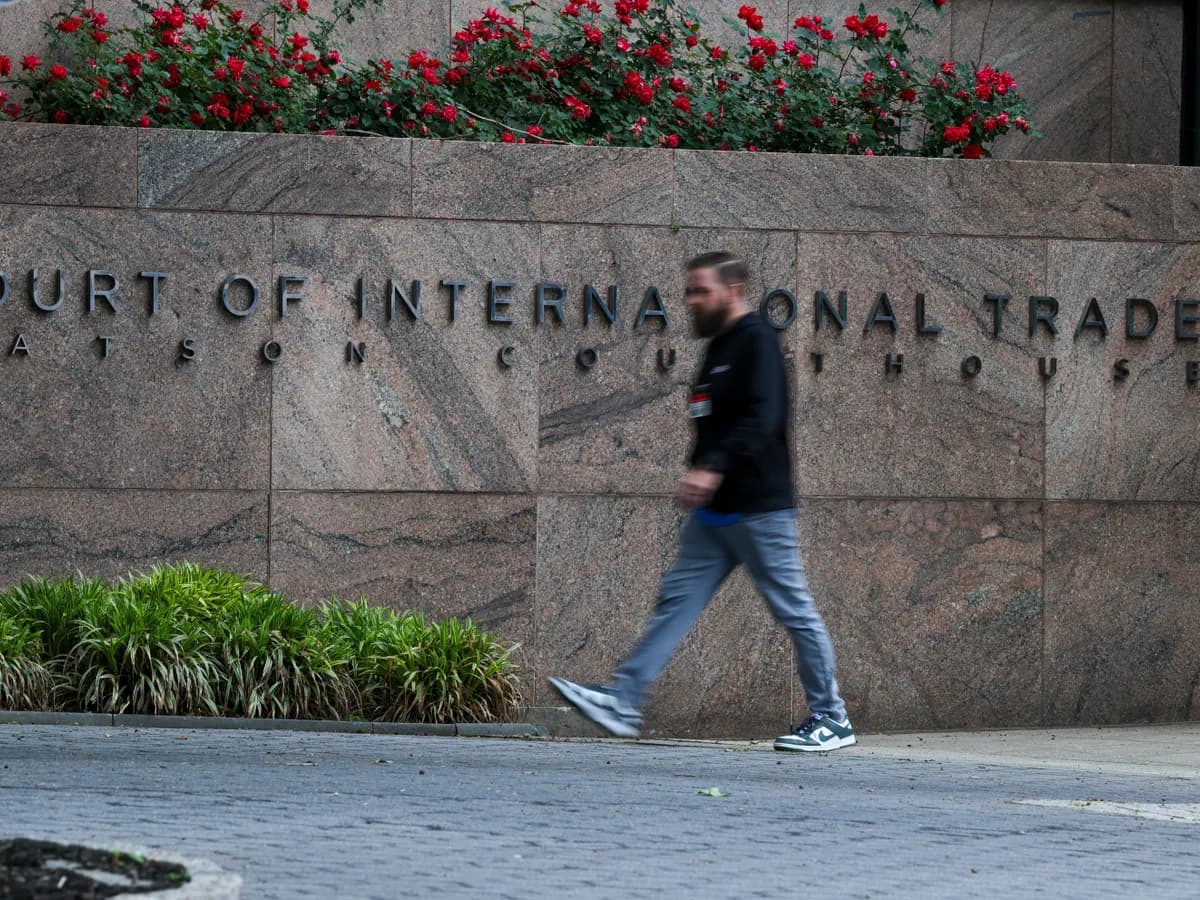
KPMG’s trade, customs and supply-chain advisers now have a new overnight triage problem: figuring out which importers can claim money back, how far back refund reviews should run, and which clients need immediate advice before another filing deadline passes. The U.S. Court of International Trade struck down the 10% import surcharge tied to Proclamation 11012, but it did not erase the duty from the system for everyone, and that is where the real workload begins.
In State of Oregon v. United States, Court No. 26-01472, the three-judge panel ruled on May 7 that the president had exceeded the authority Congress gave under Section 122 of the Trade Act of 1974. The court said the statute’s reference to “balance-of-payments deficits” points to 1974-era concepts such as liquidity, official settlements and basic balance, not the modern trade and current-account measures the administration relied on. The decision was 2-1.
The practical problem for KPMG teams is scope. The court granted permanent relief only to the plaintiff-importers and Washington State, not a universal injunction. The government appealed to the Federal Circuit on May 8, and U.S. Trade Representative Jamieson Greer said the administration expects to prevail. That means most importers still have to decide whether to preserve claims, review customs entries, or wait for the appellate court to widen or narrow the ruling.

For advisors, this is not just a customs issue. It is a refund strategy problem, a contract problem and, for audit teams, a financial reporting problem. Companies that paid the surcharge may need to revisit duty exposure, pricing assumptions, inventory valuation and whether reserve estimates still make sense. The urgency is real: Trade Partnership Worldwide data cited in coverage put Section 122 tariff collections at about $8 billion to $8.3 billion in March 2026 alone, the first full month the duties were in effect.
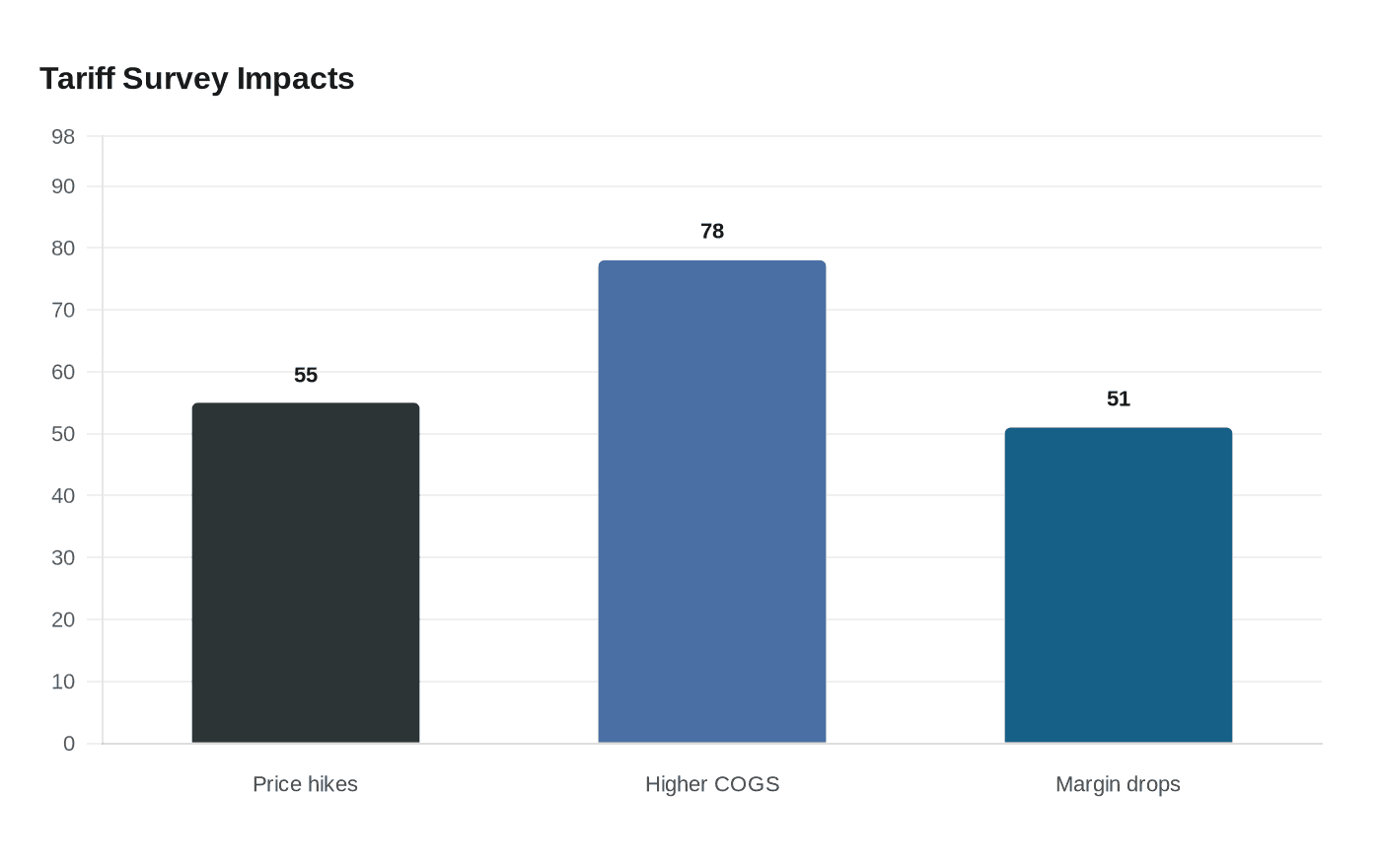
That pressure lands on firms already working through tariff volatility after the U.S. Supreme Court ruled on February 20 that the president could not use IEEPA to impose tariffs. The Trump administration announced the Section 122 surcharge that same day, it took effect on February 24, and Section 122 generally allows a surcharge of up to 15% for no more than 150 days unless Congress extends it. KPMG’s 2026 Tariff Survey shows how fast the pain spreads inside client organizations, with 55% of executives planning additional price increases of up to 15% within six months, 78% reporting higher COGS, and 51% reporting margin declines.
For KPMG professionals, the ruling turns a legal loss into a client-service sprint. The next phase will be defined by refund preservation, documentation reviews and appeals work, while trade policy uncertainty keeps spilling into audit, procurement and pricing decisions.
This article was produced by Prism’s automated news system from verified source data, official records, and press releases, then run through automated quality and moderation checks before publishing. The system is built and supervised by the people who set the standards it runs under. Read our full AI policy.
Did this article answer your question?


.pdf%2F_jcr_content%2Frenditions%2Fcq5dam.thumbnail.319.319.png&w=1920&q=75)