KPMG UK highlights flexible benefits and a birthday off
KPMG UK is tying pay, a birthday off and flexible benefits to a bigger retention pitch: autonomy, recognition and hybrid working in a firm still selling progression and staying power.
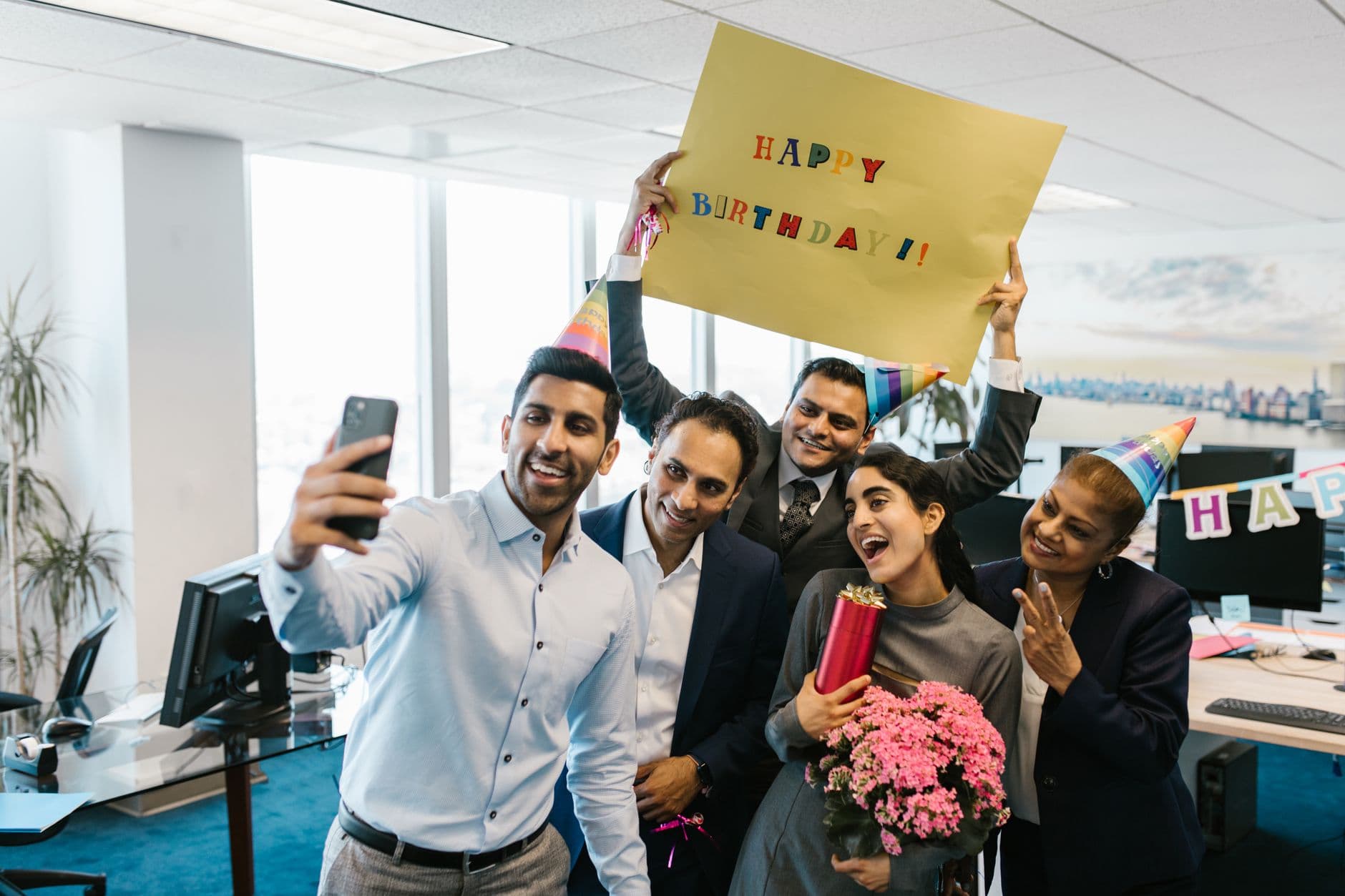
KPMG UK offers a birthday off alongside competitive salary and a broad benefits package. Its reward-and-recognition message ties those perks to a larger point: the firm wants people to feel noticed, trusted and worth keeping. For consultants, auditors and advisory staff, the test is whether that promise holds up against workload, promotion pressure and the constant pull of client deadlines.
What the reward message is really signaling
KPMG is framing reward as more than base pay. On its UK careers page, the firm says it recognizes and rewards the integrity, ideas and commitment of its people, and that language is doing retention work. In a profession where people often compare firms not just on salary but on how much control they have over their time, the promise of a birthday off and flexible benefits points to a softer, more personalized employment deal.
At a Big Four firm, employees tend to judge value by the full package: whether the pay is competitive, whether the firm notices effort, and whether the benefits feel usable in real life. A birthday off may be a small item on paper, but it becomes more meaningful in busy periods when time is scarce and personal time is usually the first thing to disappear.
The benefit stack behind the headline perk
The birthday off is only one part of the offer. KPMG’s UK benefits page also lists 25 days’ holiday in addition to public and bank holidays, a lunch allowance, staff discounts, a bonus scheme, a flexible pension plan and one-firm profit share. The package is not built around one attention-grabbing perk; it is a set of choices and trade-offs.
For employees, the practical question is how much of that package is felt during the year. Holiday allowance and pension flexibility affect long-term value, while a bonus scheme and profit share connect reward to the firm’s performance. Lunch allowance and staff discounts shape the day-to-day experience as well as the year-end pay review.
How flexible work fits into the deal
KPMG UK operates a flexible hybrid model, with hybrid working across UK offices, client sites and home. The arrangement is tied to the actual geography of the job, not to a vague promise of work-life balance. For people in audit and advisory, where time is split between office work, client delivery and internal deadlines, that hybrid structure can shape how manageable the role feels.
The firm also says it is building an inclusive environment in which people can reach their full potential. Alongside that sits the Employee Business Forum, an elected body of KPMG colleagues that represents the views of employees to senior management. Together, those pieces present flexibility and employee voice as part of the same retention system, not separate initiatives.
People do not stay at professional-services firms only for a flexible policy on paper. They stay when that policy shows up in scheduling, staffing and the ability to recover after demanding client work. The combination of hybrid work and a formal employee forum gives KPMG a structure for employee input; the measure is whether that affects how teams are staffed and how much control employees have over their week.
Why the business context makes the message sharper
KPMG’s reward language lands in the middle of a bigger business story. The KPMG UK/Swiss Group reported £3.6bn in revenue for 2025, 2% sales growth and a 14% rise in profit to £576m. The firm also said 2025 was the first year of its combined UK and Swiss partnership, a change it says opens up new opportunities for its people and supports investment in technology and learning.
Compensation and benefits do not sit apart from the firm’s strategy. When a partnership is reorganizing and investing in technology and learning, the employee value proposition becomes part of how the firm competes for talent. A reward page that highlights flexibility, recognition and personalized benefits tells candidates KPMG wants to connect growth, profit and employee retention in one story.
For employees, the question is whether that promise reaches beyond recruitment. The firm’s year-in-review material presents the combined partnership as a platform for development, not just a structural change at the top, in a business where progression often depends on calibration, sponsorship and visibility.
What the wider labor market says about the strategy
KPMG is not making this case in a vacuum. The Chartered Institute of Personnel and Development’s 2025 flexible-working report, based on surveys of 2,000 employers and 5,000 employees, says flexible working remains pivotal to attraction and retention and remains important to employees. The same labor-market pressure explains why firms keep putting flexibility alongside pay in their employer messaging.
KPMG’s own research reinforces the point. One KPMG article says pay is still the most important factor in employee attrition and retention, cited by 54% of respondents. Another says that having more flexibility around shift patterns can reduce attrition by 20%. Those figures explain why the UK careers copy is so deliberate: it is not treating flexibility as a nice extra, but as part of the retention toolkit.
Pay still matters most, but recognition and flexibility are being pushed closer to the center of the employment deal. In a market where professional-services firms are competing for scarce talent, the birthday off and the broader benefit stack sit beside pay and flexibility in KPMG’s employer message.
This article was produced by Prism’s automated news system from verified source data, official records, and press releases, then run through automated quality and moderation checks before publishing. The system is built and supervised by the people who set the standards it runs under. Read our full AI policy.
Did this article answer your question?