KPMG work-life balance hinges on flexibility and busy-season pressure
KPMG’s flexibility is real, but it is bounded by the calendar. Early-year busy season, weekend work, and uneven staffing still decide whether a role feels sustainable.

Early January through March still brings KPMG’s traditional busy season, when long hours and recovery time get squeezed. KPMG’s work-life balance is not a firmwide promise so much as a team-by-team negotiation. The firm’s Flex with Purpose model and paid-leave benefits can make the job feel sustainable when a team is staffed well and deadlines are calm. If you are interviewing or deciding whether to stay, the real question is not whether flexibility exists, but where it survives the calendar.
Flexibility is real, but only inside limits
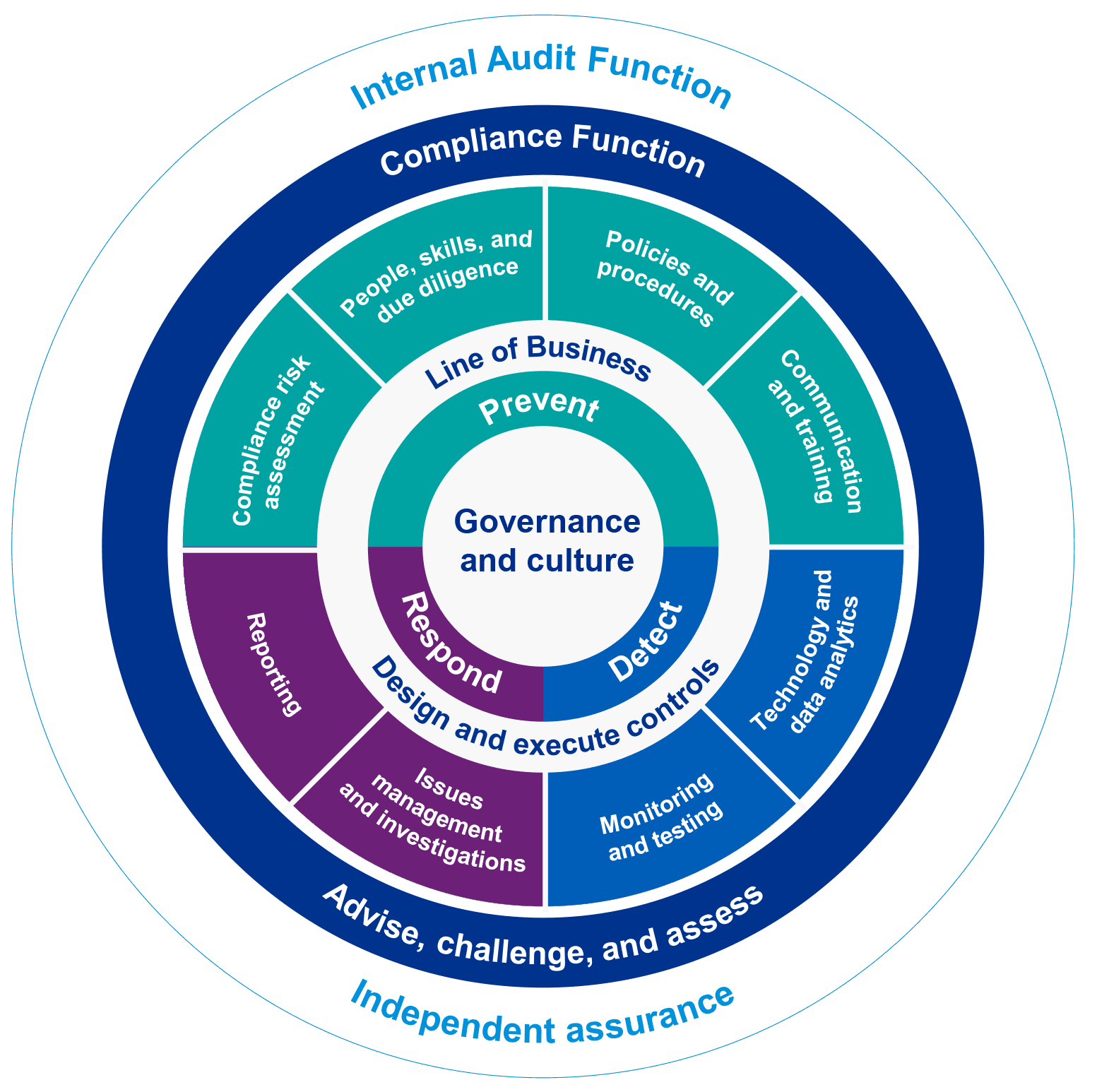
KPMG’s U.S. people pages lay out a culture of well-being and burnout prevention, using work/life coaching, Flex with Purpose, generous paid leave, and efforts to flatten the workload tied to busy season. Flex with Purpose mixes purposeful in-person time with remote work, based on client and team needs, which is a very Big Four way of saying the policy exists, but the work decides how much of it you can use.
The best-case version of KPMG flexibility is not the same as a guaranteed 9-to-5 life. Outside peak periods, work-life balance can be reasonable, but the experience shifts by team, department, and client load. One third-party work-life balance snapshot, not reviewed or approved by KPMG, captures that split well: flexibility, time off, and wellbeing can coexist with peak-season intensity, resourcing constraints, and limited recovery time.
Busy season still sets the tone in audit and tax
KPMG has described its traditional busy season as a period when long hours, tight deadlines, and mental-health challenges intensify. In 2024, KPMG said it had set out two years earlier to end the traditional busy season as it had known it. That does not erase the reality many professionals still live through when filings, client demands, and internal reviews stack up at once.
Some teams still see 60 to 80-plus hour weeks, weekend work, and little or no PTO during peak periods. Those demands are not evenly spread across the firm. They rise and fall with service line, geography, and client mix, which is why an audit role can feel very different from an advisory role, and why two teams in the same office can have completely different notions of “balance.”
What employee ratings and industry surveys say
Glassdoor’s rating for KPMG work-life balance sits around 3.0 out of 5, while career opportunities score higher. The firm can still offer strong training, a recognizable name, and client exposure, but those upside factors do not cancel out the stress of seasonal surges. People often tolerate the pressure because the development path is strong; they leave when the calendar stops being predictable.
KPMG’s pattern also fits broader accounting data. ACCA’s 2023 Global Talent Trends Survey included more than 8,000 accountants in 148 countries, and 60% said work pressures negatively affect their mental health. In the same research, 70% wanted more organizational support. CFO found that 71% of Big Four survey respondents said their mental health suffers because of work pressures. KPMG is a recognizable version of the profession’s structural problem.
Scale explains why the pressure is structural
Staffing and utilization are the engine of the employee experience at KPMG. Its network operates across 142 countries and territories, with more than 275,000 partners and employees, and KPMG reported globally aggregated revenue of $39.8 billion for the year ended September 30, 2025. At that scale, flexibility is never just a policy document. It depends on how many people are available, how much work is flowing into a team, and whether managers can actually protect time off when deadlines hit.
In October 2025, KPMG cut 195 jobs in its U.S. audit division, a little more than 2% of its audit staff in the country. Resourcing pressure can tighten even inside a firm that publicly talks about well-being, and fewer people often means a heavier load for the people who remain.
What to ask before you join, or before you assume you can stay
The smartest way to read KPMG’s employer-brand language is to turn it into interview questions and manager conversations. Flexibility is usually most real in teams with steadier client cycles, managers who protect PTO, and staffing levels that do not leave one senior person carrying several roles at once. It is usually weakest when deadlines bunch up, weekend work becomes routine, and recovery time disappears after filings or delivery milestones.
Ask these questions before you accept a role or during your next check-in:
- How often did this team work weekends in the last busy cycle?
- What does PTO actually look like during early January through March?
- After a major deadline, how much recovery time is normal here?
- When utilization spikes, does the manager backfill work or just push harder?
- Is this role tied to a predictable client calendar, or does it live in constant deadline mode?
They are the difference between a role that can flex when life happens and one where “flexibility” mostly means you can log on from somewhere else after midnight.
This article was produced by Prism’s automated news system from verified source data, official records, and press releases, then run through automated quality and moderation checks before publishing. The system is built and supervised by the people who set the standards it runs under. Read our full AI policy.
Did this article answer your question?