KPMG's 2017 Ghost Voter Audit Back in Spotlight Amid Re-registration Debate
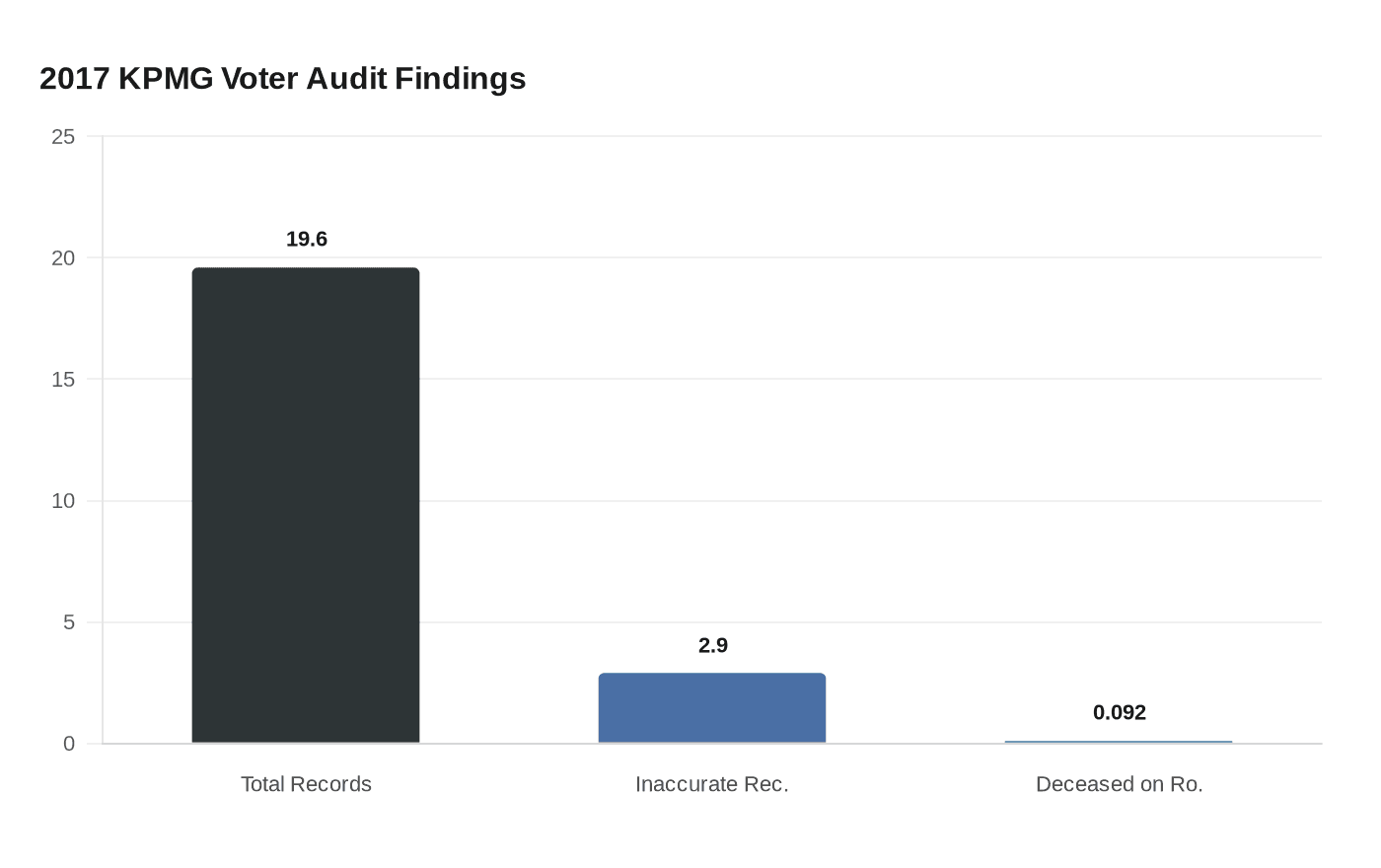
KPMG's 219-page 2017 audit, which flagged 2.9 million bad records and 92,277 dead voters in Kenya's roll, is back in headlines as the IEBC's re-registration drive fuels register integrity debate.

A nine-year-old audit engagement rarely follows its authors back into the news cycle. This week, it did.
IEBC Chairman Erastus Ethekon's April 3 statement directing Kenyans who registered as voters before 2012 to re-enroll in the current biometric Register of Voters reignited public debate about the integrity of Kenya's electoral roll and, with it, renewed scrutiny of KPMG's role as the register's independent auditor. NTV Kenya highlighted the controversy as users flooded social media questioning whether the system's long-documented problems had ever been adequately resolved.
The IEBC's Enhanced Continuous Voter Registration exercise, running until April 28, had already logged 344,316 new registrants and 18,610 transfers as of April 2. But the announcement that pre-2012 enrollees who missed the 2012 biometric transition were not in the active register hit with unexpected force. One voter posted on X: "Yesterday I went to bed as a registered voter. Today I woke up not registered to vote, and the IEBC says it's my fault and that I need to register again." Similar complaints multiplied quickly, with users reporting missing polling station data and unexplained status changes.
It was against that backdrop that KPMG's 2017 findings re-entered the conversation. The firm's 219-page report, submitted to the IEBC in June 2017, found that 2.9 million of the commission's 19.6 million voter records contained inaccuracies, including inconsistencies in date of birth and gender. The audit identified 92,277 deceased individuals who remained on the active roll and flagged inherent security lapses in the commission's technology infrastructure, with specific recommendations for remediation.
When KPMG returned for a second examination, the firm found over 2 million mysterious voter entries and exposed 14 unaccountable Returning Officers running the IEBC's Integrated Database Management System with the ability to "transfer, delete, insert, trigger, truncate, and update the voters register at will." Access controls around the database were described as ineffective, with weak password systems and ghost log-in credentials for electoral officials still present despite the earlier warnings.
DAP-Kenya leader Eugene Wamalwa added political pressure on April 4, questioning why fresh registration was necessary given that biometric systems had functioned through the 2022 election without incident. The IEBC moved quickly with a same-day clarification: pre-2012 voters who had already enrolled biometrically from 2012 onward did not need to register again. The confusion stemmed from the gap between Kenya's manual pre-2012 roll and the biometric register established under the 2010 Constitution following boundary delimitation.
For KPMG professionals, the dynamic playing out in Nairobi is a live illustration of how past engagement work re-enters the public record. The IEBC has maintained that its current register is accurate, audited, and has been used in the last three election cycles. But in a political environment where 2027 is already on the horizon and public confidence in the voter roll is genuinely fragile, the 219-page report filed in 2017 has become a reference document in a debate far wider than its original scope. The detail that made the audit credible then is precisely what makes it searchable now.
Know something we missed? Have a correction or additional information?
Submit a Tip