Tether Hires KPMG for First-Ever Full Audit of USDT Reserves
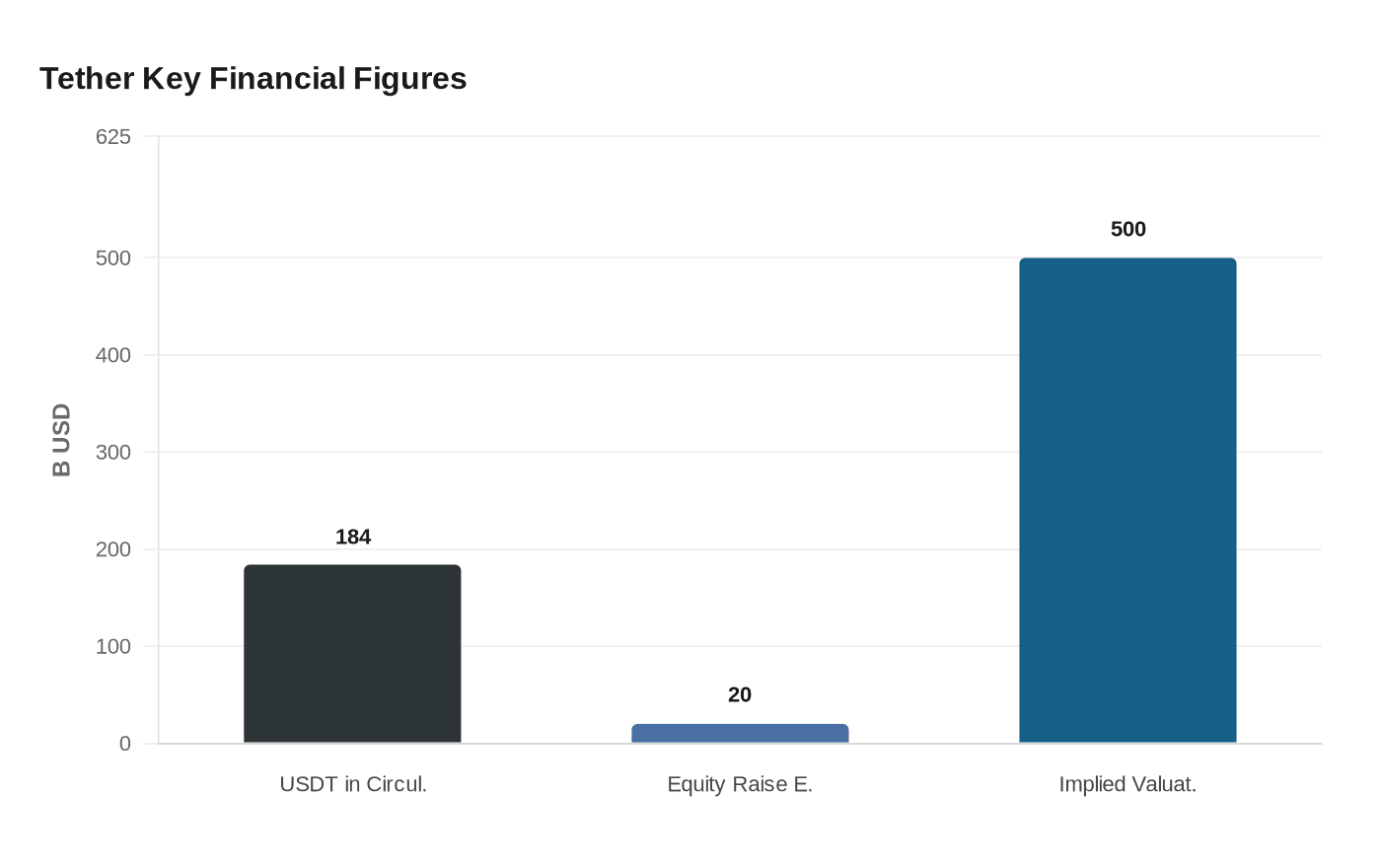
KPMG won a competitive process to audit Tether's $184B USDT reserves, what Tether calls the biggest inaugural audit in financial markets history.

KPMG has been selected to conduct the first-ever full independent financial statement audit of USDT, the stablecoin issued by Tether with roughly $184 billion in circulation, in what Tether describes as "the biggest ever inaugural audit in the history of financial markets." The Financial Times named KPMG as the winning firm, citing people familiar with the matter, days after Tether publicly announced it had engaged an unnamed Big Four auditor without disclosing which one.
The mandate is sweeping. The audit covers Tether's full balance sheet: U.S. Treasuries, cash equivalents, digital assets, and tokenized liabilities, along with internal controls, governance, risk management, and compliance systems. That scope goes well beyond the periodic reserve attestations that BDO Italia, the Italian member firm of the BDO global accounting network, had been producing for Tether since 2022. Those point-in-time snapshots were never designed to provide the kind of comprehensive assurance a full financial statement audit delivers.
To get its house in order before KPMG begins fieldwork, Tether also retained PwC to prepare its internal systems, controls, and reporting infrastructure. The dual engagement reflects how much remediation a company operating at this scale, but without audited financials, has to undertake before a Big Four firm can sign off on anything.
The timing is not coincidental. The GENIUS Act, the federal stablecoin framework signed into law in July 2025, imposes reserve verification and reporting requirements on foreign stablecoin issuers seeking U.S. registration. A full Big Four audit is widely expected to satisfy those requirements. Tether reinforced its U.S. ambitions in January 2026 by launching USAT, a stablecoin designed specifically for GENIUS Act compliance, through Anchorage Digital Bank.
Money is also a factor. Bloomberg reported in September 2025 that Tether was exploring a fresh equity raise of as much as $20 billion, implying a $500 billion valuation. Plans for that raise were subsequently reported to have stalled, with investors and bankers insisting on audited financials before committing capital. CEO Paolo Ardoino told Cointelegraph in February that a figure of $20 billion had not been agreed upon, while maintaining the $500 billion valuation target based on the company's profits.
The company has carried questions about its reserves for years. In 2021, the New York Attorney General fined Tether $41 million for misrepresenting the full dollar backing of USDT; legal records from that period showed heavy exposure to commercial paper and specific counterparties. Separate reporting attributes a $41 million enforcement action to the Commodity Futures Trading Commission over what regulators called "untrue or misleading statements" about reserves, though the precise agency attribution differs across sources. Since then, Tether shifted its reserve composition heavily toward short-term U.S. Treasuries and began publishing quarterly transparency reports, none of which constitute audited financial statements.
CFO Simon McWilliams, brought on in early 2025 specifically to prepare Tether for Big Four-level scrutiny, said the auditor was selected through a competitive process and that the audit will be delivered. CEO Ardoino stated that "Tether's mission has always been to build trust through action." Tether also claims it already operates internally at Big Four audit standards, though it has not publicly committed to a completion timeline.
For KPMG, landing the engagement is a clear signal of the firm's position in crypto-sector compliance work at a moment when that sector is moving from regulatory ambiguity into formal audit infrastructure. The work will require assessing an asset base that spans conventional instruments, digital assets, and tokenized liabilities at a scale no financial statement audit has previously attempted. Both KPMG and PwC declined to comment when contacted.
This article was produced by Prism’s automated news system from verified source data, official records, and press releases, then run through automated quality and moderation checks before publishing. The system is built and supervised by the people who set the standards it runs under. Read our full AI policy.
Did this article answer your question?


.pdf%2F_jcr_content%2Frenditions%2Fcq5dam.thumbnail.319.319.png&w=1920&q=75)