Lululemon backs tariff credit plan to boost U.S. textile manufacturing
A tariff-credit plan would reward brands that buy U.S. textiles or Western Hemisphere apparel. For lululemon, it could reshape sourcing costs, inventory flow and guest pricing.
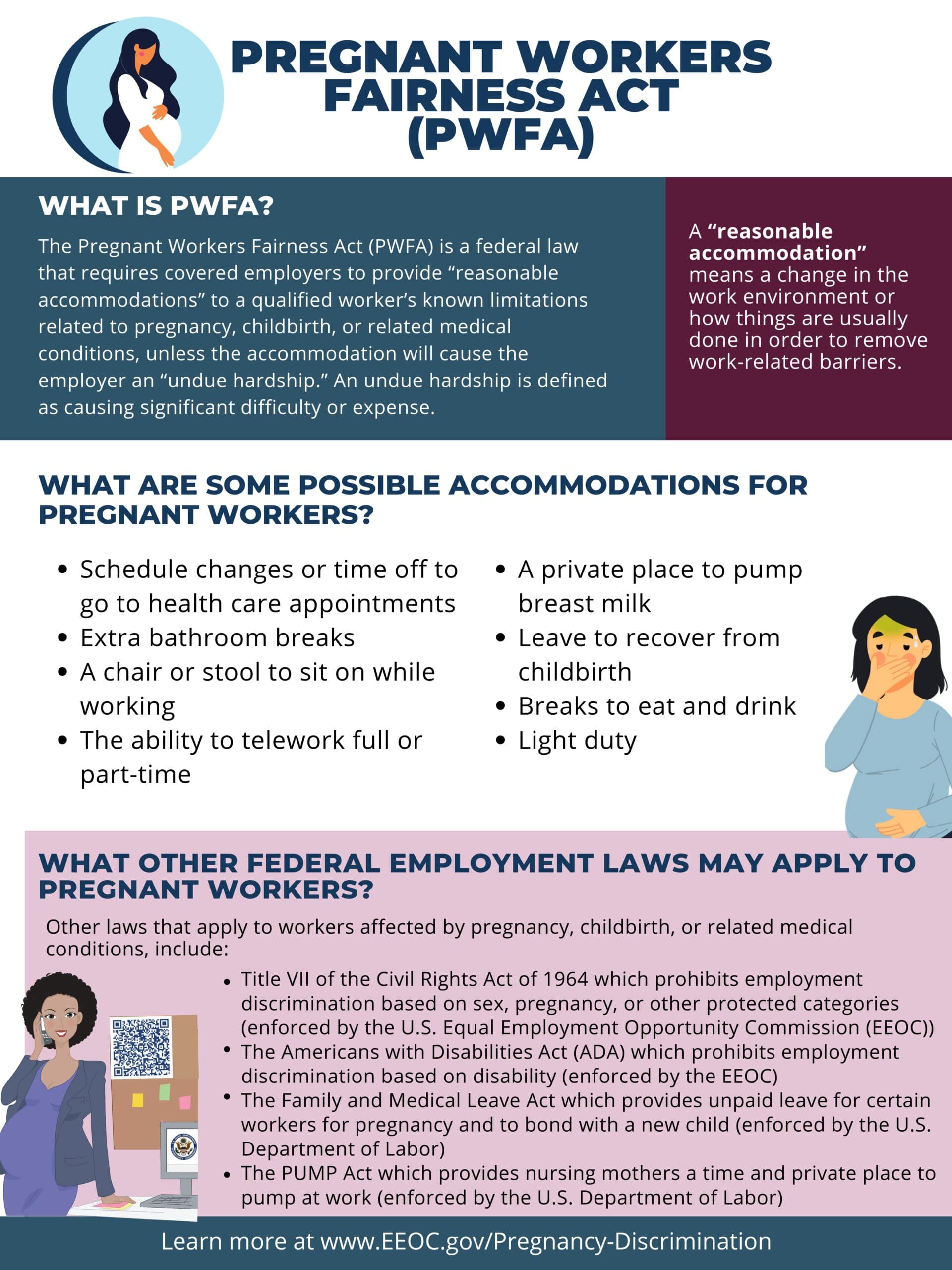
The July 6 proposal would create tariff credits for companies that buy U.S.-made textiles or qualified apparel from Western Hemisphere free-trade partners. A coalition of textile makers, apparel brands and retailers pitched the plan as a way to reward closer-to-home sourcing, offset potential Section 301 tariffs and support more than 56,000 U.S. jobs.
The groups publicly teamed up on a joint trade policy initiative for the first time. The program could double U.S. textile exports to the Western Hemisphere to $29 billion a year and drive billions of dollars in new domestic investment. The plan is tied to USTR’s Section 301 investigations over forced-labor concerns. Forced labor remains prevalent in global textile and apparel supply chains, according to the National Council of Textile Organizations. NCTO urged USTR to impose Section 301 duties on apparel and finished textile imports from China and from South and Southeast Asian countries that use forced labor, while preserving duty-free treatment for USMCA and CAFTA-DR qualified textiles and apparel.
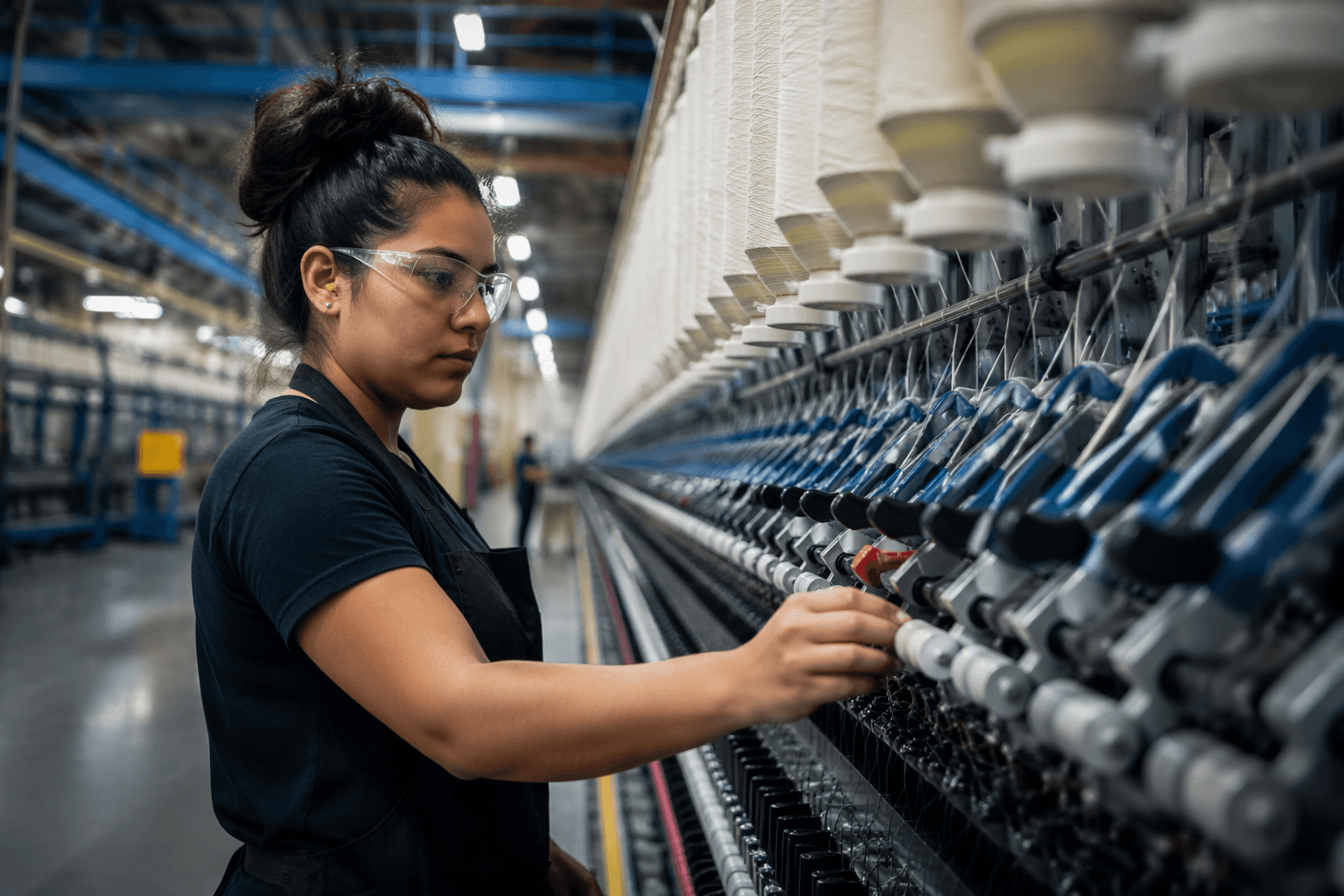
In his May 31 State of the U.S. Textile Industry address, outgoing NCTO chairman Chuck Hall put the integrated U.S. textile and apparel supply chain at 453,122 American workers and $60.9 billion in annual output. The sector supplies more than $1.8 billion in uniforms and textile-based equipment to the Department of War each year and provides more than 8,000 textile products to the armed forces. More than 40 U.S. textile plants had closed in the prior two and a half years.

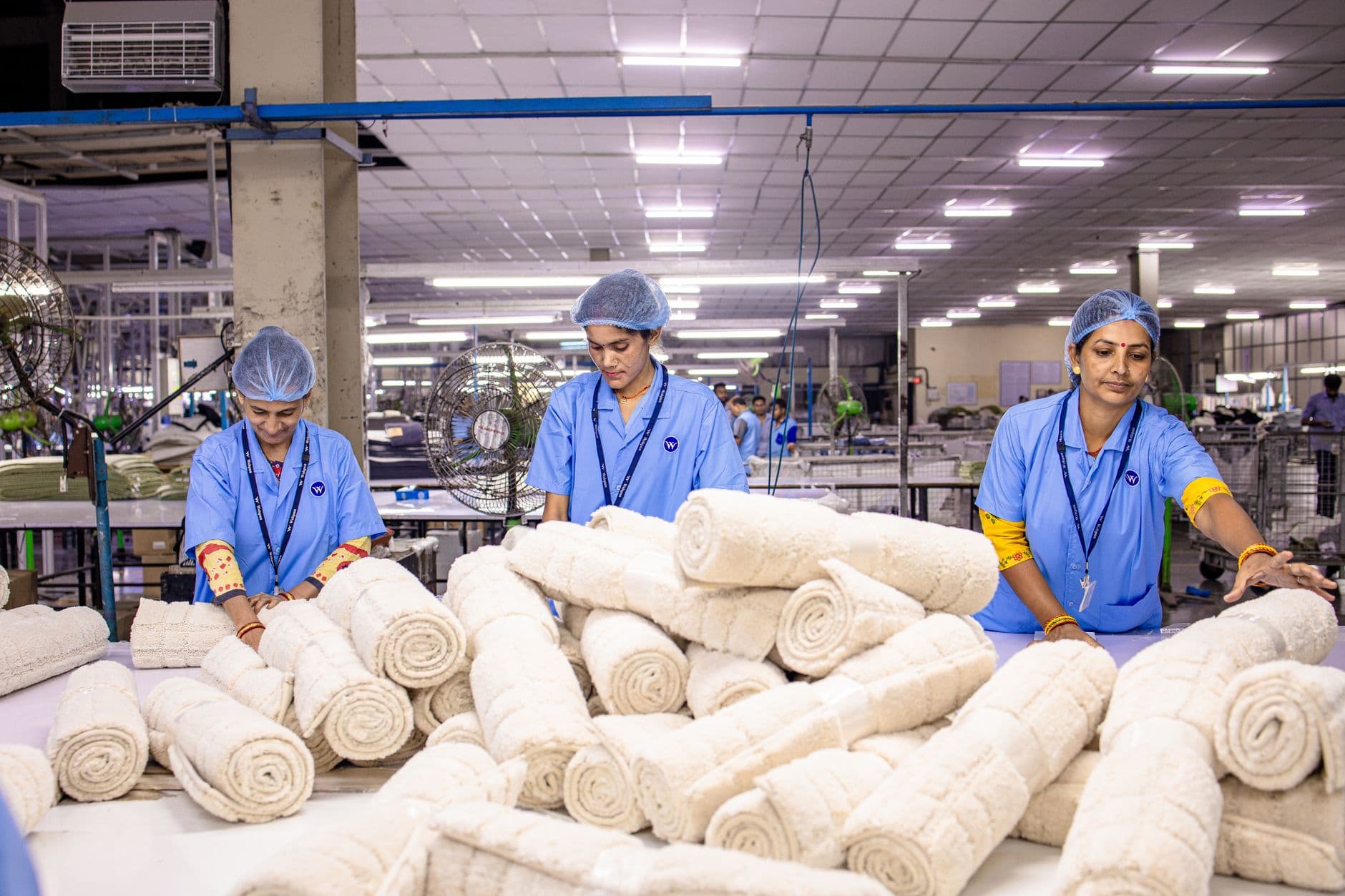
Lululemon does not own manufacturing facilities and relies on independent suppliers, with a responsible supply chain program built on monitoring, integration and collaboration. Its public supplier list from May 2026 shows sourcing ties to China Mainland, Cambodia, Viet Nam, Sri Lanka and other countries, while its 2030 goals call for 90% of products to contain at least 25% preferred materials by weight. Like New trade-in is available at 100% of company-operated U.S. stores, and its June 2025 agreement with Samsara Eco could support about 20% of its overall fibers portfolio.
This article was produced by Prism’s automated news system from verified source data, official records, and press releases, then run through automated quality and moderation checks before publishing. The system is built and supervised by the people who set the standards it runs under. Read our full AI policy.
Did this article answer your question?