Austin pilot gives food service workers free health insurance, easing job stress
Only 25 Austin food service workers got free health insurance through a one-year pilot, and Thi Nguyen used it for a check-up and cervical cancer screening.
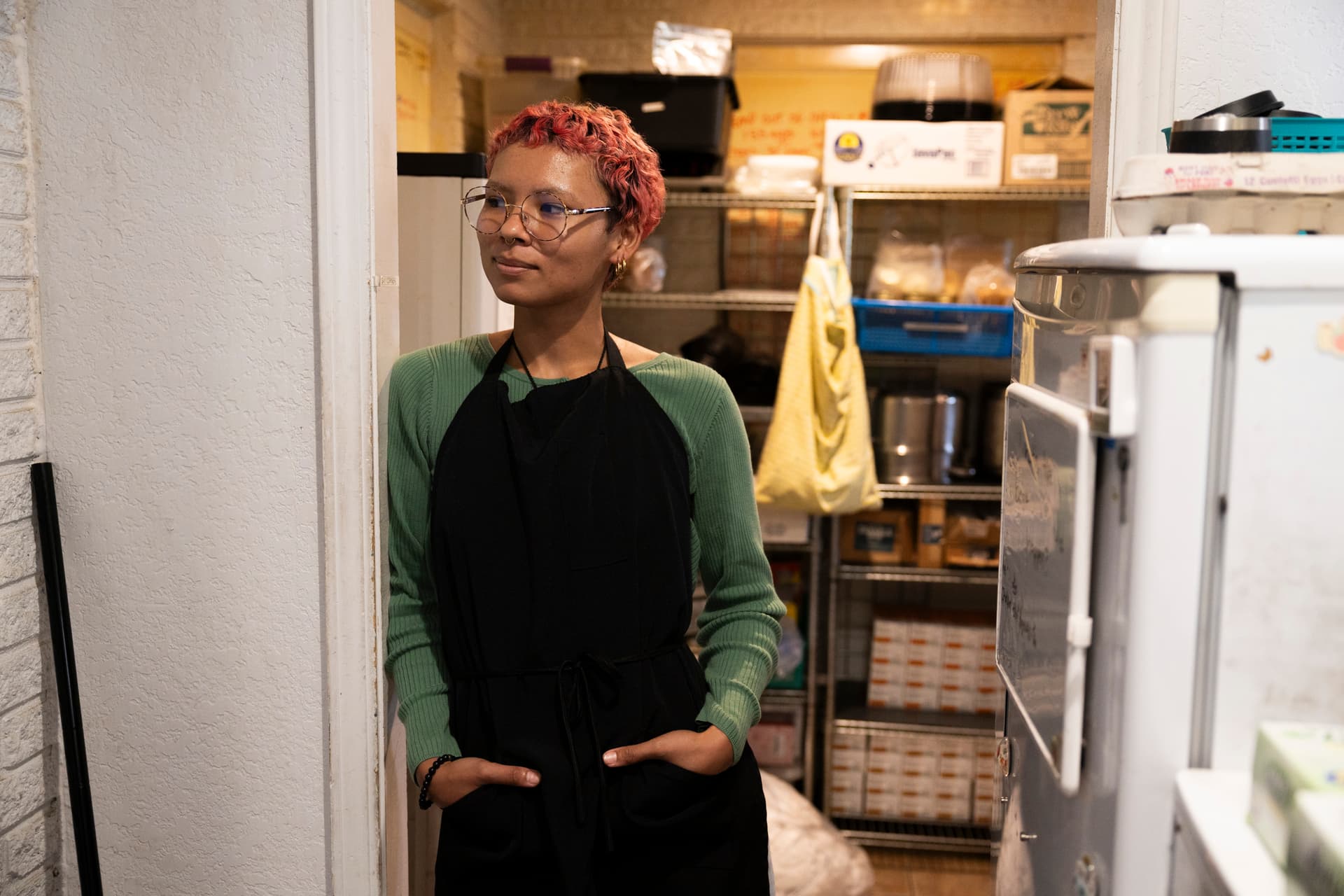
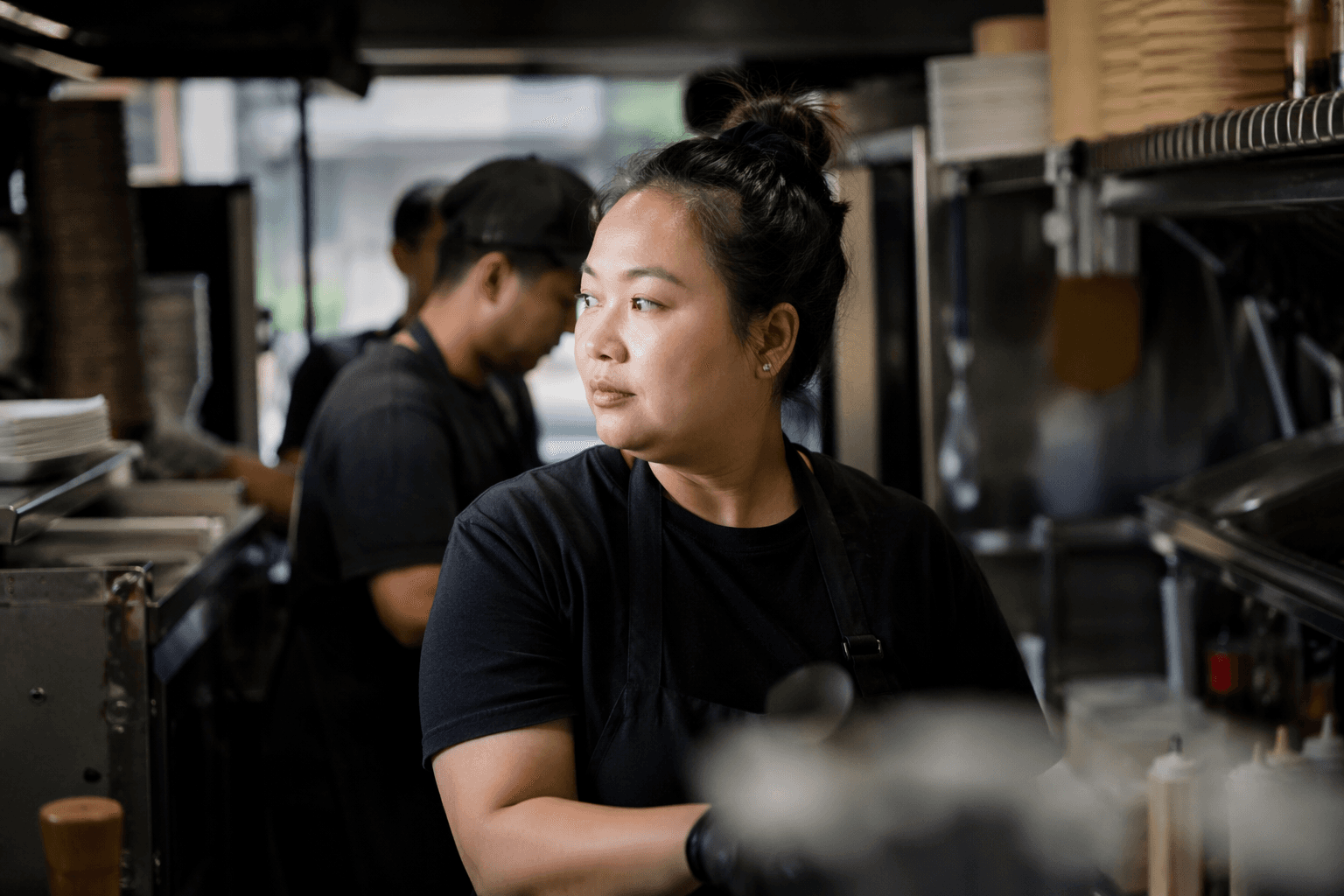
Only 25 Austin food service workers got free health insurance through a one-year pilot this year, a small number that still shows how much coverage can change a restaurant job. For Thi Nguyen, the benefit meant a regular check-up and a cervical cancer screening, the kind of preventive care that can keep a worker healthy enough to keep showing up for the next rush.
Good Work Austin ran the pilot with Central Health, Sendero Health Plans and Foundation Communities. The nonprofit said it paid the full monthly premium for eligible food and beverage workers in Travis County, but the program was limited in capacity and applications for 2026 were closed. More information on 2027 is expected in the fall of 2026. Eligibility was narrow: workers had to live in Travis County, work in food and beverage, earn between $19,562 and $31,300 a year before taxes, and live in households of one or two people without children.
That narrow design gets at a broader problem for fast-food and restaurant crews. Pay is only part of the equation. When schedules change from week to week, hours are split across employers or jobs are part time, health coverage can become the difference between staying in the work and feeling stuck by it. Insurance can also mean fewer untreated illnesses, fewer missed shifts and less fear of one medical bill wiping out a week’s pay.
The price tag is not small. In 2025, the average annual premium for employer-sponsored coverage was $9,325 for single coverage and $26,993 for family coverage, according to KFF. The National Restaurant Association has said labor costs make up 31.7% of total sales for a typical limited-service restaurant, and it has also argued that health benefits can help with hiring and retention. That is the business case behind a worker reality: coverage is not just a perk, it is part of whether a job feels sustainable.
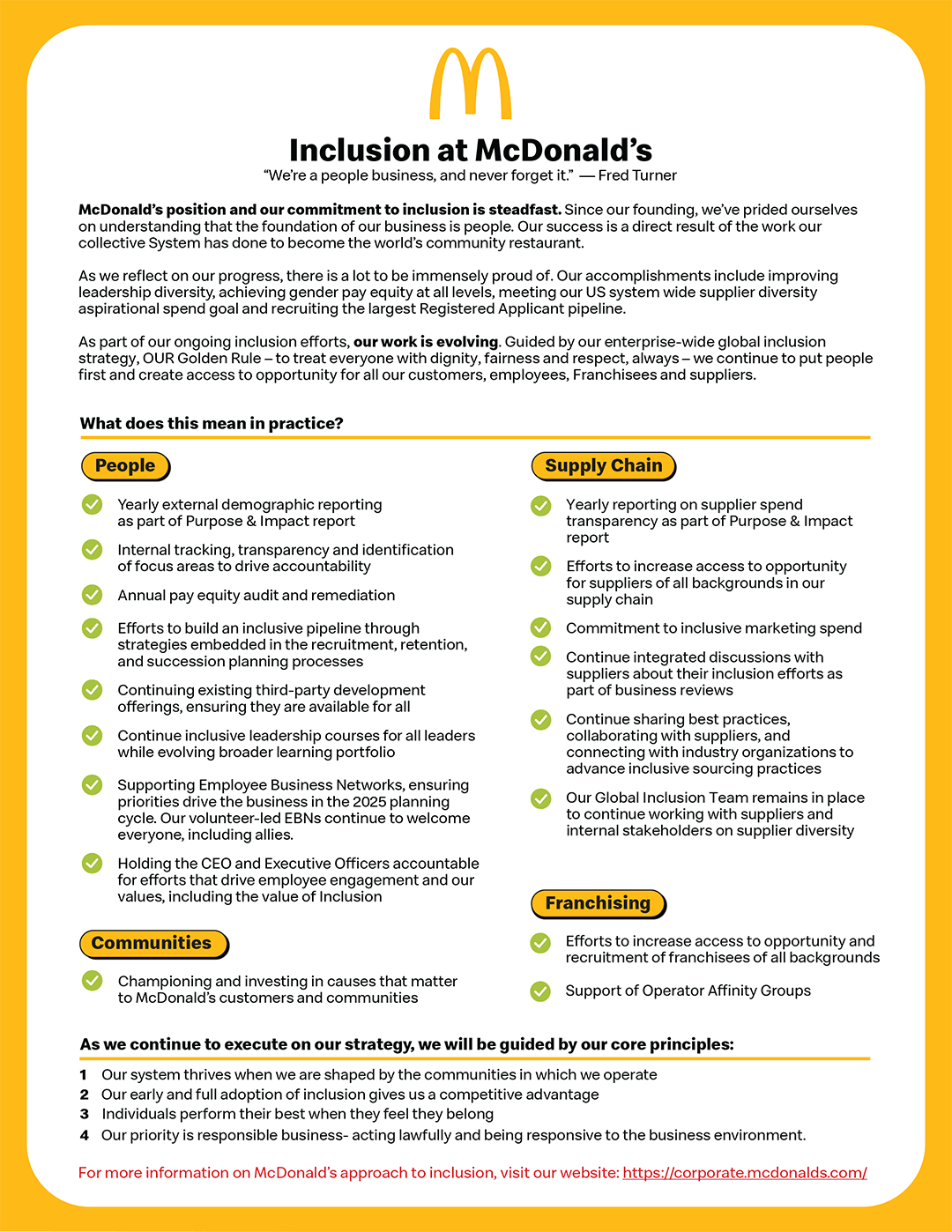
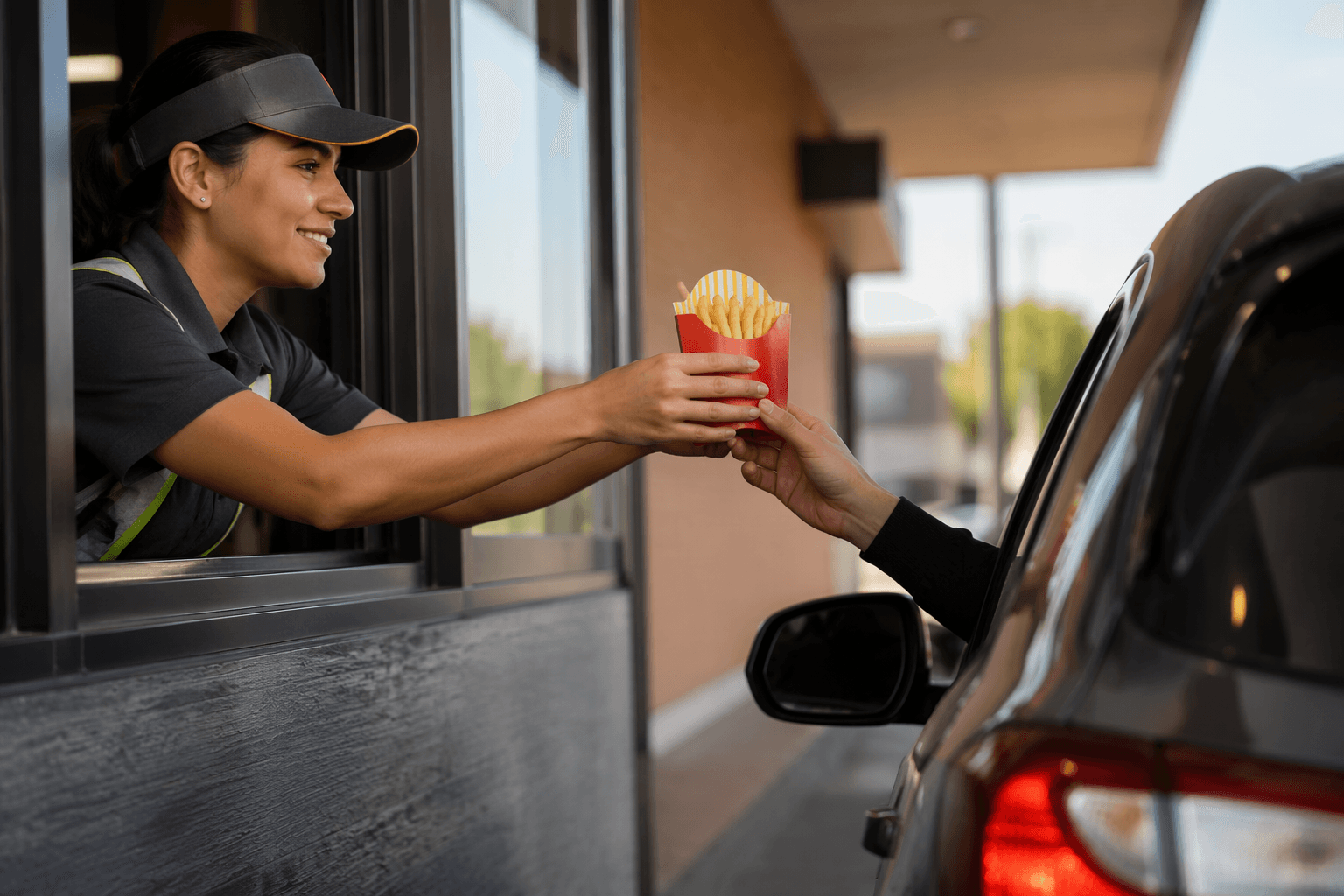
For McDonald’s workers, the gap between company messaging and lived experience is the important part. McDonald’s says its U.S. company employees can access benefits including mental health support, discounted childcare, emergency relief, prescription drug discounts, pet insurance, legal insurance and virtual care programs. The company said its employees totaled more than 150,000 at year-end 2024, while its global system includes more than two million employees and crew. But those benefits do not erase the divide between company-operated jobs and franchised restaurants, where access can be less consistent and far more dependent on the operator.
Austin’s model also has a local precedent in the Health Alliance for Austin Musicians, which has long subsidized insurance for musicians. Good Work Austin borrowed that idea for food workers, comparing two kinds of essential labor that often keep a city running while struggling to afford the basics. In restaurant work, that is the real test of a benefits program: whether it keeps people from choosing between a shift and a doctor’s visit.
This article was produced by Prism’s automated news system from verified source data, official records, and press releases, then run through automated quality and moderation checks before publishing. The system is built and supervised by the people who set the standards it runs under. Read our full AI policy.
Did this article answer your question?