Business dining grows, boosting McDonald's lunch and catering demand
Business dining rose faster than restaurant spending overall, but at McDonald’s the real effect is narrow: steadier lunch traffic, more catering prep, and sharper midday staffing pressure.

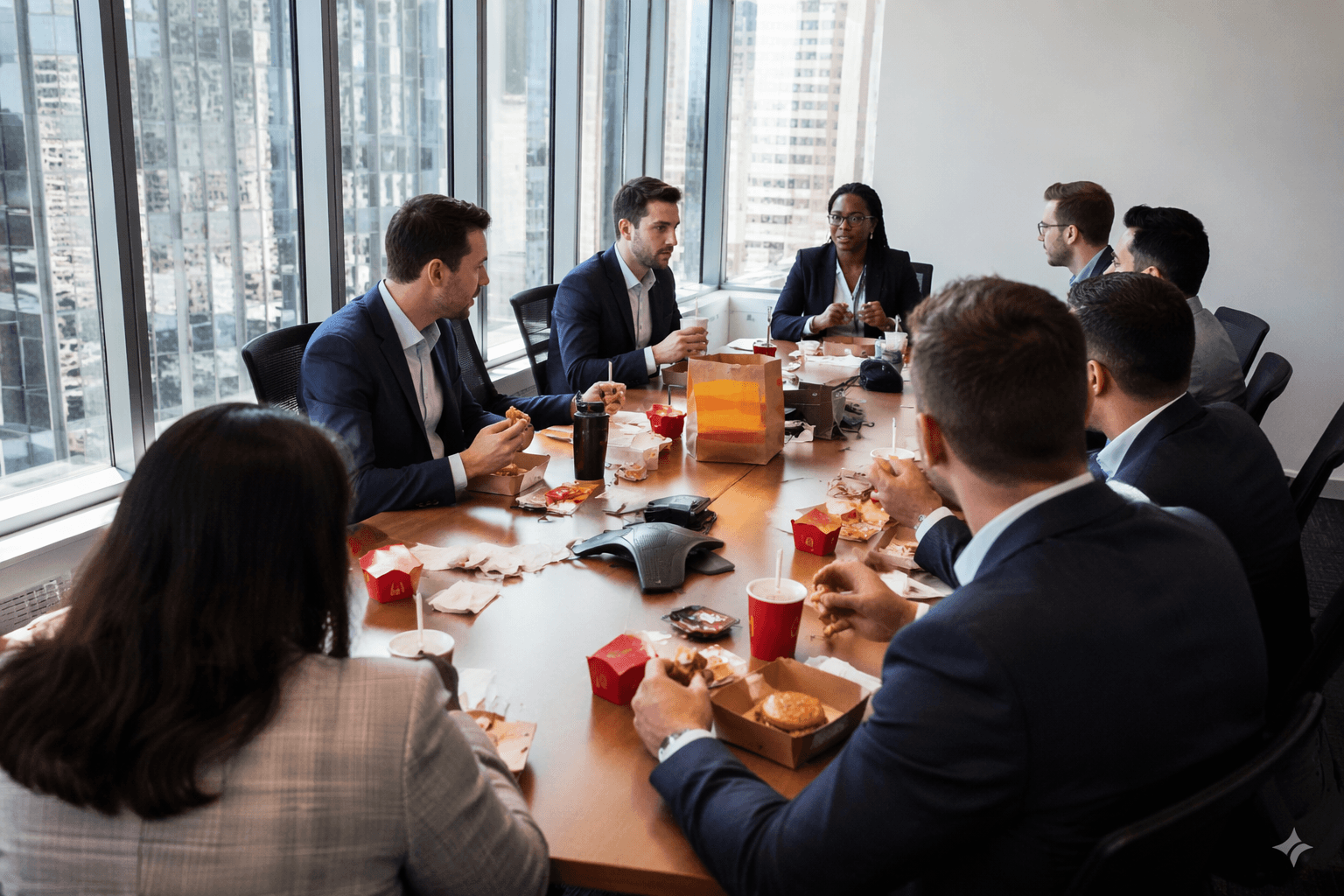
Business dining is holding up better than the rest of the restaurant market, but for McDonald’s workers the payoff is less a broad boom than a tighter, more concentrated lunch rush. Dinova found business-dining spending rose 3.8% last year even as overall consumer restaurant spending rose 2.8% and traffic fell, a split that shows how much work-related meals have diverged from everyday dinner spending.
Dinova defines business dining broadly, covering client meals, team lunches, travel meals, office catering and other work-linked occasions. Its Fall 2024 report said the category was supported by a network of more than 24,000 restaurants and more than 570 corporate, government and SMB accounts in the United States and Canada. The same report said 68% of consumers were choosing grocery food because of higher costs and 41% planned to cut restaurant visits, a reminder that McDonald’s is still serving into a cautious consumer market even as business spending stays alive.
That matters at McDonald’s mainly because the chain is built for volume and convenience, not just dine-in traffic. McDonald’s says it has about 44,000 locations worldwide, is about 95% franchised, and serves about 68 million people daily. Its catering materials pitch the brand for office meetings and groups of 6 or more, including breakfast items like Egg McMuffin sandwiches and McCafé coffee. For franchisees, that can mean extra orders from nearby offices, hotels, airports and freeway corridors, where weekday demand tends to arrive in a shorter, more predictable window.
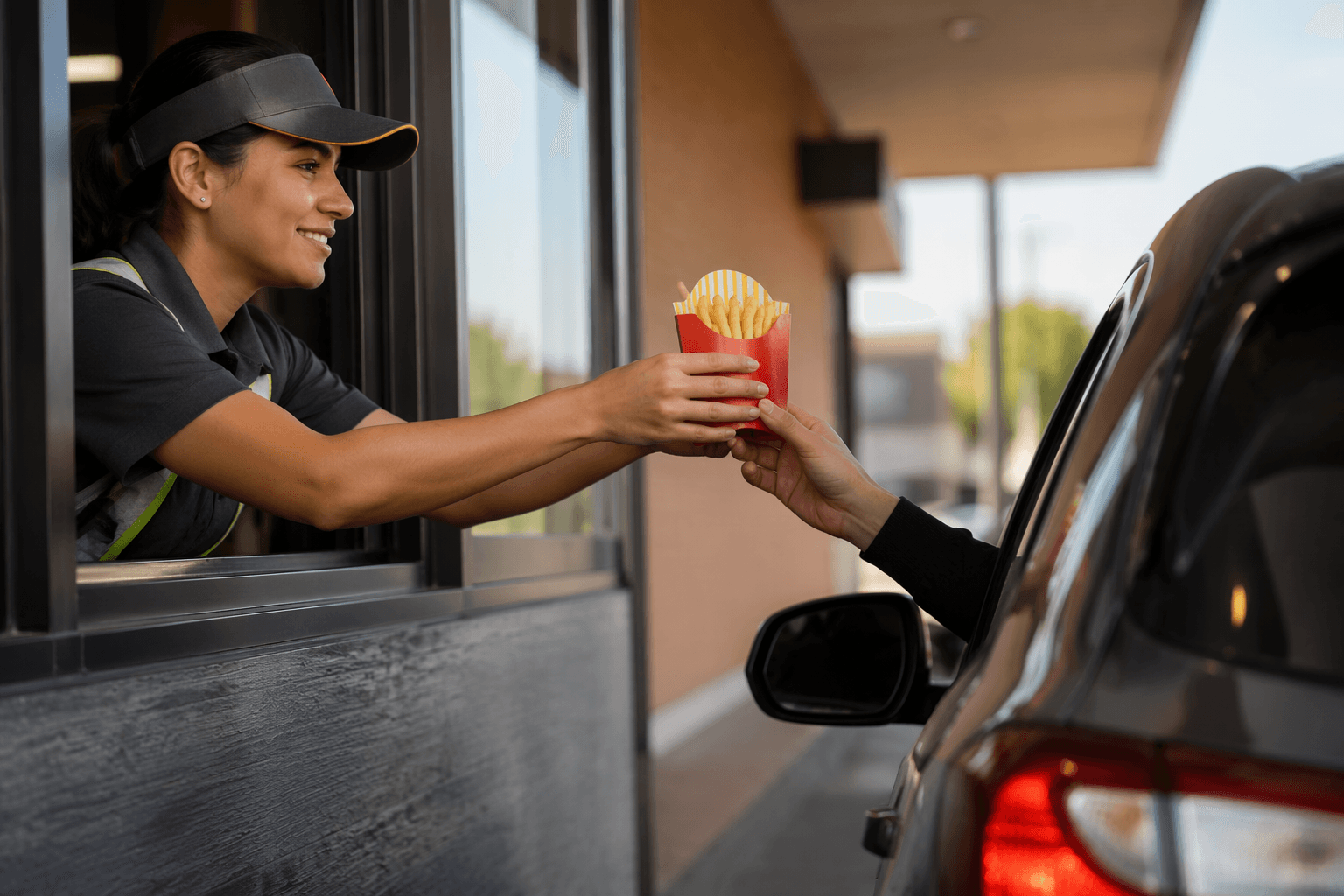
The operational effect is where restaurant workers should focus. More business dining can mean steadier midday counts, more catering prep, and more pressure on speed and order accuracy when the lunch rush compresses. Managers may need to staff more heavily around late morning and early afternoon, then cross-train crew to handle both front counter and larger orders. In stores near office clusters, the difference can show up in labor planning long before it shows up in monthly sales reports.
The broader travel and office backdrop supports that pattern. The Global Business Travel Association said worldwide business-travel spending was expected to hit a record $1.48 trillion in 2024, above the pre-pandemic record of $1.43 trillion in 2019. Dinova’s March 2024 report said recovery was being driven by meetings, events and employees returning to offices, and that catering purchases over $250 made up more than a third of business-dining transactions.

McDonald’s has already pointed to better traffic in its own results, reporting global comparable sales up 5.7% in Q4 2025 and 3.8% in Q1 2026. Still, white-collar dining recovery matters more to casual dining than to McDonald’s. For McDonald’s employees, the real watch item is not whether business dining is “back,” but whether it keeps midday shifts busier, catering tickets larger and staffing tighter at the stores closest to where people work and travel.
This article was produced by Prism’s automated news system from verified source data, official records, and press releases, then run through automated quality and moderation checks before publishing. The system is built and supervised by the people who set the standards it runs under. Read our full AI policy.
Did this article answer your question?