Cook County minimum wage rises July 1, McDonald's stores must update payroll
Cook County’s July 1 wage bump hits McDonald’s payroll first, raising the floor to $15.40 and forcing managers to reset overtime, notices and schedules before summer shifts start.
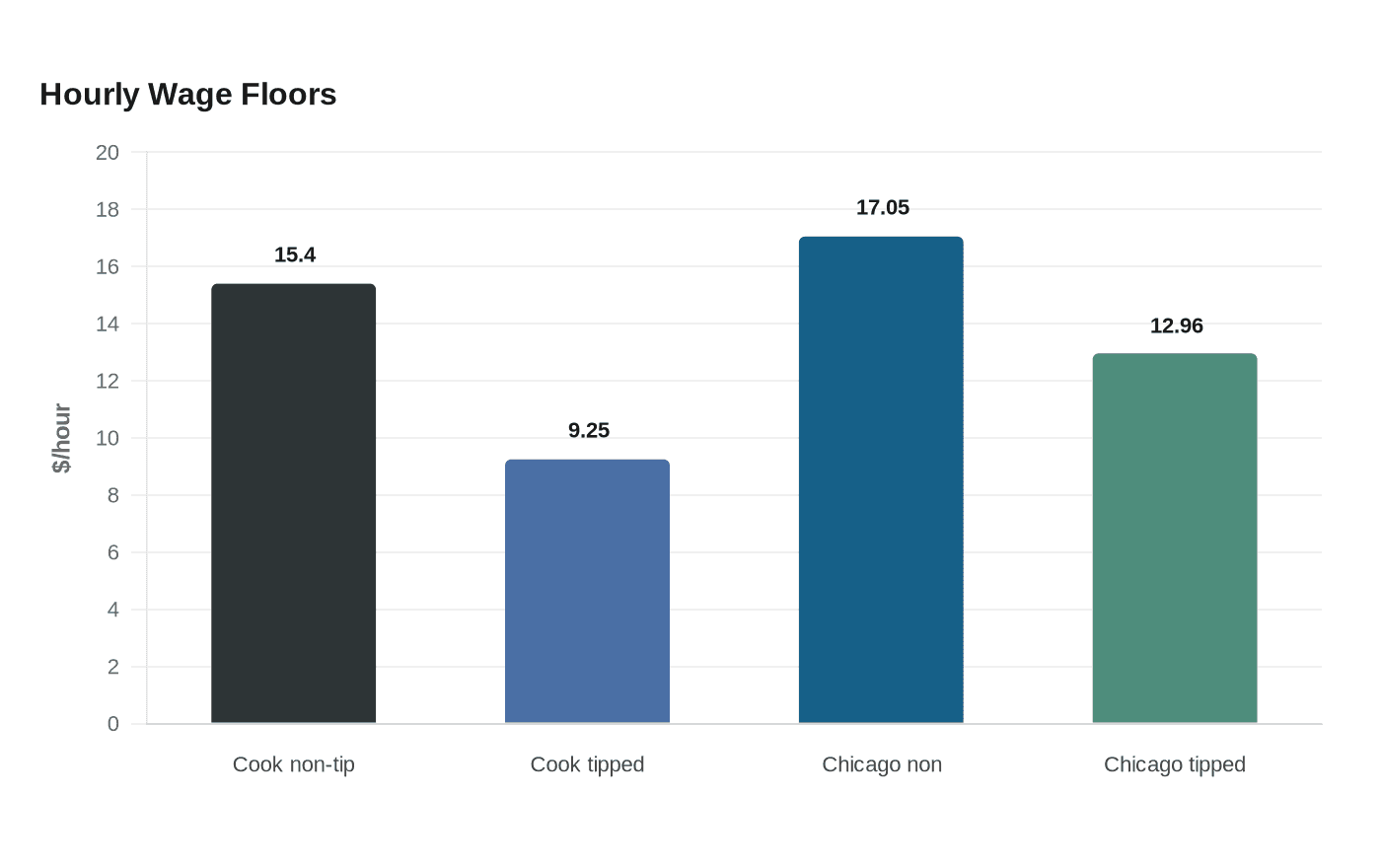
McDonald’s restaurants in Cook County will have to reset base pay on July 1, when the county minimum wage rises to $15.40 an hour for non-tipped workers and $9.25 for tipped employees. Overtime also climbs, to $23.10 for non-tipped workers and $16.94 for tipped workers, which turns the change into a payroll, staffing and scheduling problem at the store level, not just a compliance update in the back office.
The ordinance applies to employers that maintain a business facility in Cook County or hold a Cook County business license, and it covers workers over 18. Teenagers are not covered by the county floor and must be paid at least the Illinois minimum for workers under 18. Covered employers must post the updated notice and give written notice of the current rates with the first paycheck after the change and at least annually after that. Cook County’s Board of Commissioners passed the ordinance on October 26, 2016.
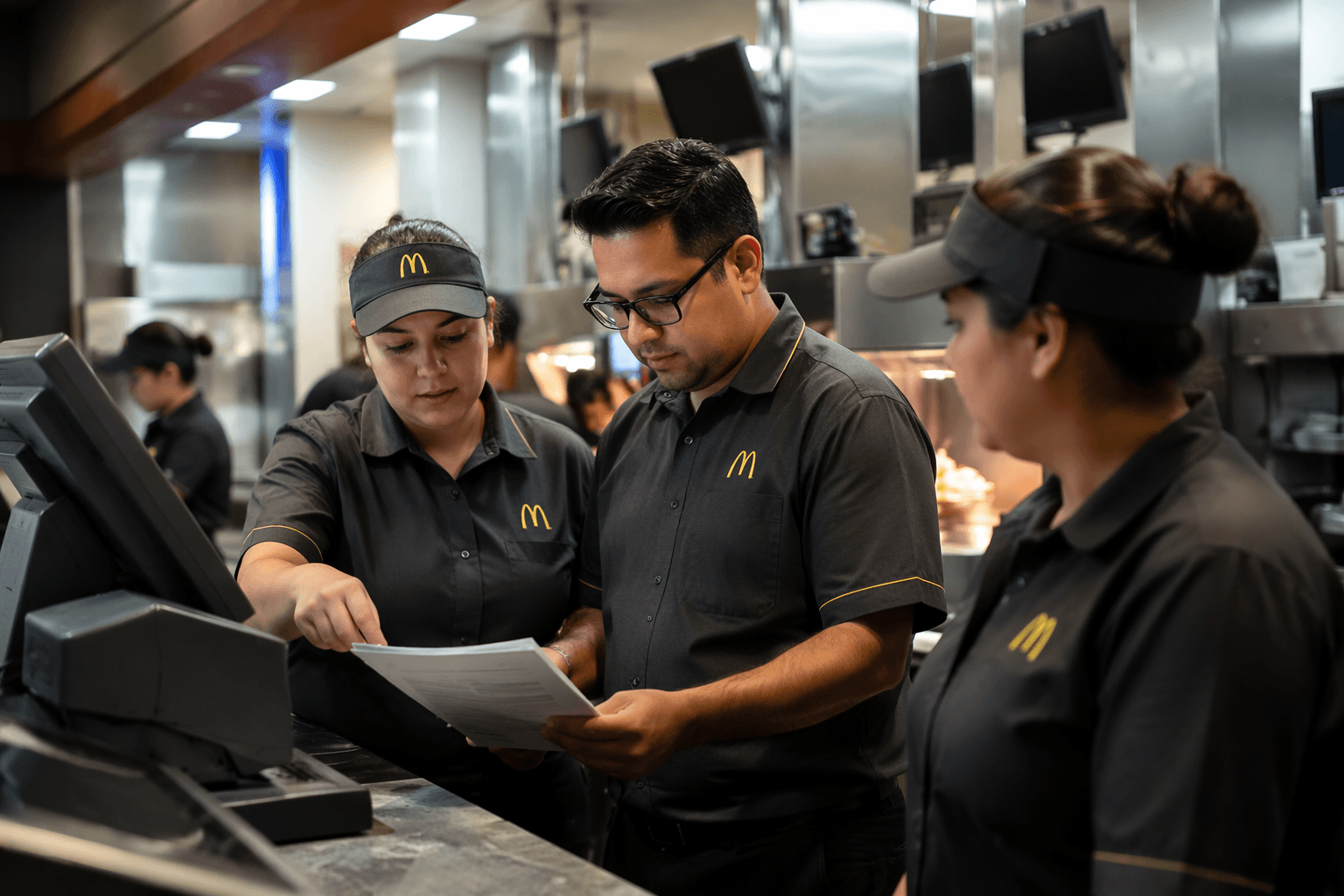
For franchise operators, the practical pressure shows up in the weekly schedule. A July 1 pay floor increase can narrow the gap between newly hired crew and more experienced workers, force managers to revisit shift premiums and make it harder to hold labor costs steady if they have been leaning on lean staffing through the summer rush. That math gets even more complicated near the city line, where Chicago’s July 1 minimum wage is $17.05 an hour for employers with four or more employees and the tipped minimum is $12.96, higher than Cook County’s new rate. A restaurant a few miles away can face a different labor bill depending on whether it sits inside Chicago or in the county outside it.
The wage increase lands in a region where compensation pressure has already been building. The U.S. Bureau of Labor Statistics said total compensation costs for private industry workers in the Chicago-Naperville, IL-IN-WI Combined Statistical Area rose 4.1% in the year ending in March 2026. For McDonald’s owners and managers, that makes July 1 another point where labor costs, overtime calculations and hiring plans have to be recalibrated at the same time, or the restaurant absorbs the increase through tighter hours and thinner margins.
This article was produced by Prism’s automated news system from verified source data, official records, and press releases, then run through automated quality and moderation checks before publishing. The system is built and supervised by the people who set the standards it runs under. Read our full AI policy.
Did this article answer your question?