Democratic lawmakers propose $25 federal minimum wage, McDonald’s could feel ripple effects
A bill to lift the federal floor to $25 by 2031 could force McDonald’s franchisees to rethink pay, staffing and prices, starting in the lowest-wage states.
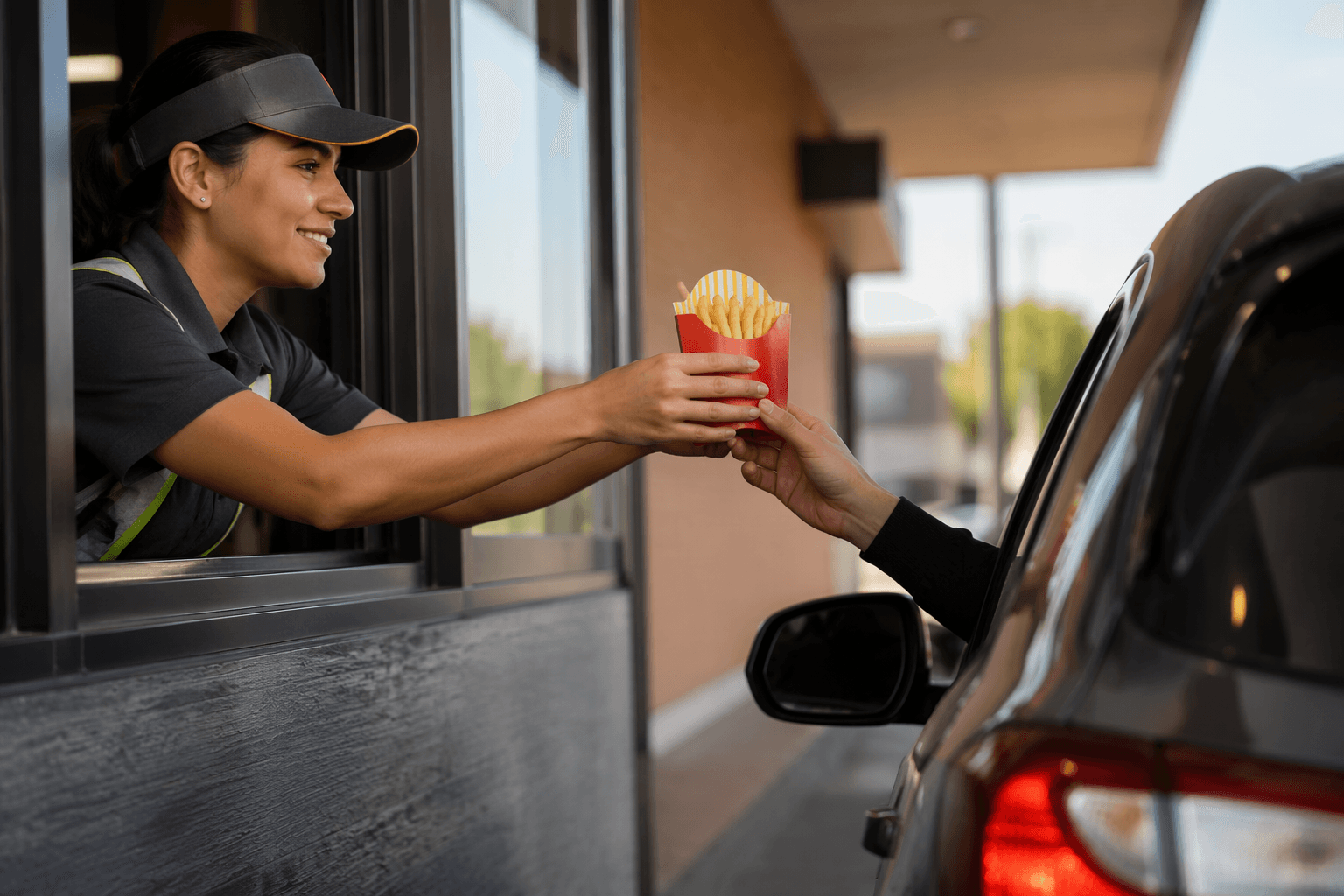
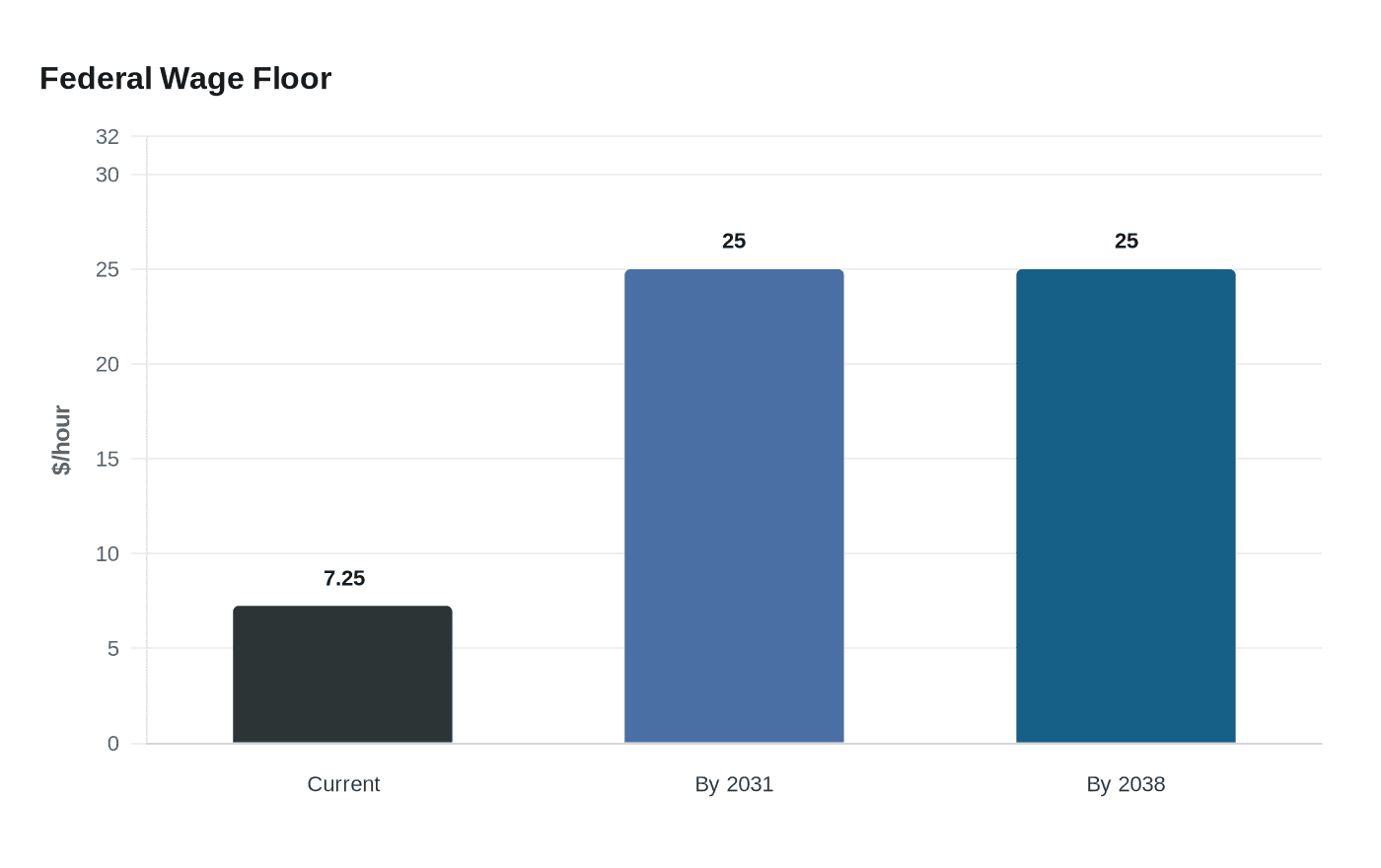
A McDonald’s crew member in Alabama or Tennessee would not see a $25 paycheck overnight, but a new federal bill could redraw the pay floor that still governs many restaurant jobs. The Living Wage for All Act, introduced April 29 by Reps. Delia Ramirez of Illinois and Analilia Mejía of New Jersey, would raise the federal minimum wage to $25 an hour by 2031 for large employers and by 2038 for smaller ones, while ending subminimum wages, including the tipped wage.
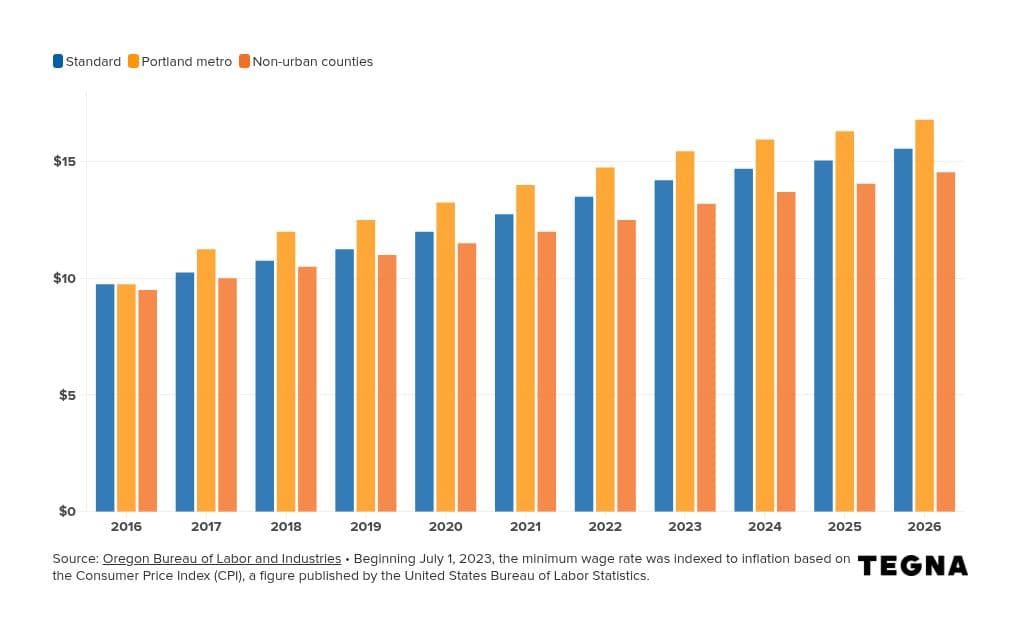
The timing matters because the current federal minimum is still $7.25 an hour, unchanged since 2009. That is a bigger deal in states with weak wage laws than in places that already set higher floors. Five states, Alabama, Louisiana, Mississippi, South Carolina and Tennessee, have no state minimum wage at all, while Georgia, Oklahoma and Wyoming have minimums below the federal level.
McDonald’s sits right inside that pressure point. The company’s filings describe a business that is overwhelmingly franchised, with franchised restaurants operating alongside a much smaller company-operated footprint. That split means the impact would not hit every store the same way. Franchisees in lower-wage markets would face the sharpest change, while corporate restaurants would have to rework wage ladders, supervisor differentials and internal promotion paths.
For crew members, the practical question is whether a higher federal floor would raise a paycheck or just compress the gap between entry-level jobs and shift-lead roles. The answer would vary store by store. Some McDonald’s restaurants already pay well above the federal minimum, but many franchise locations still build staffing around local minimums and thin margins. A jump to $25 by 2031 would likely force operators to rethink hiring, scheduling and retention, especially if they have to offer clearer raises or more hours to keep workers from leaving.
The bill also lands in the middle of McDonald’s own value push. The chain announced full-year 2025 results on February 11, 2026, with strong systemwide sales growth and a continued emphasis on value and consumer affordability. That makes any federal pay reset a direct test of the company’s pricing strategy, because higher labor costs can feed into menu prices, faster automation or thinner franchise margins.
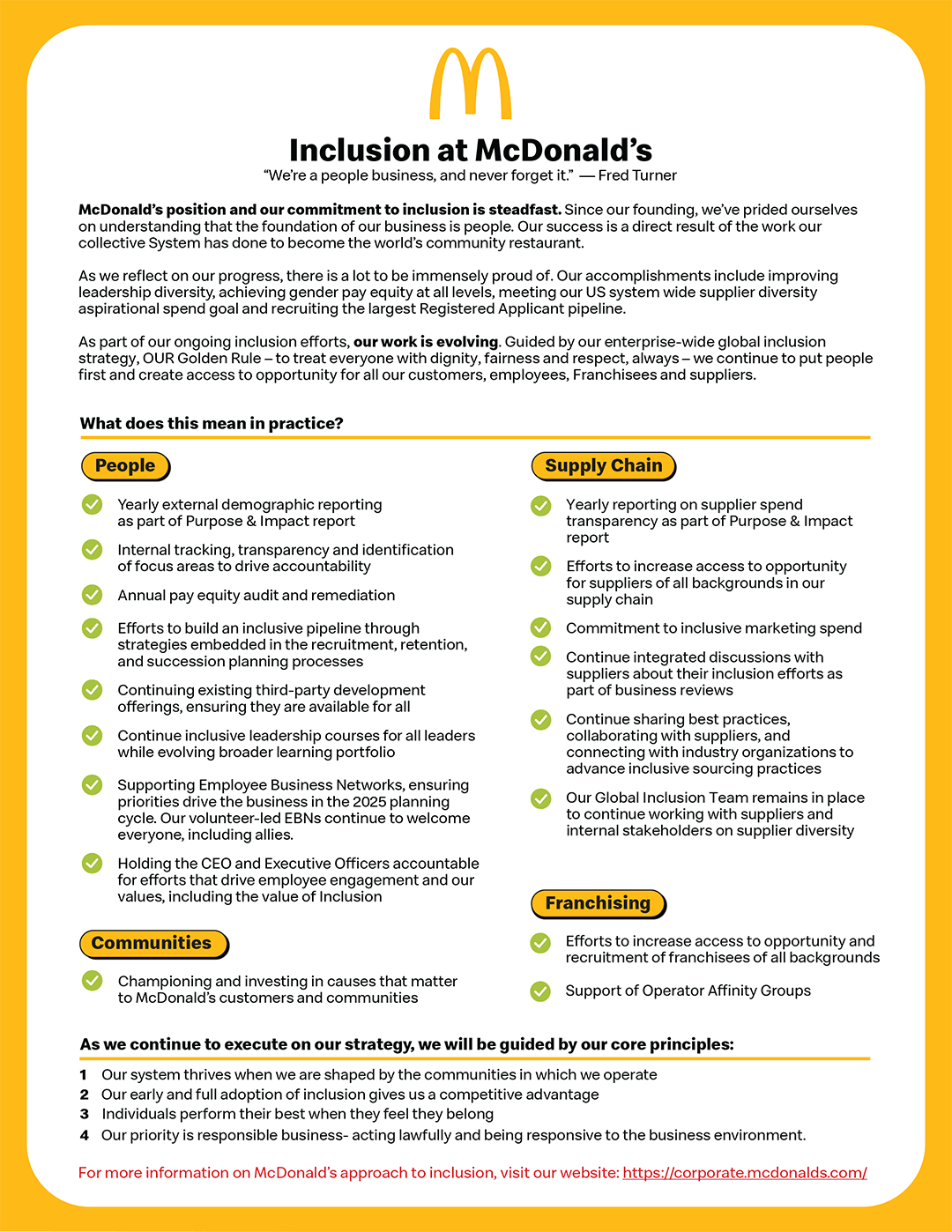
The broader politics are already familiar to McDonald’s. Chris Kempczinski has spoken out against the tipped minimum wage, and McDonald’s backed ending the tipped minimum wage in earlier reporting. California’s AB 1228, which set a $20-an-hour minimum for fast-food workers at chains with 60 or more locations nationwide and indexed it for annual increases through the California Fast Food Council, offers a recent preview of how higher wage mandates can ripple through restaurant labor, pricing and staffing. Even if the Living Wage for All Act stalls in Congress, it marks another push to reset the wage floor for the country’s biggest low-wage employer.
This article was produced by Prism’s automated news system from verified source data, official records, and press releases, then run through automated quality and moderation checks before publishing. The system is built and supervised by the people who set the standards it runs under. Read our full AI policy.
Did this article answer your question?