Harvard Business School asks if McDonald’s is America’s workforce onramp
McDonald’s still gives millions a first paycheck, but the real test is whether that first job still leads anywhere. The answer now depends on training, pay, and management, not branding alone.
McDonald’s as America’s first job
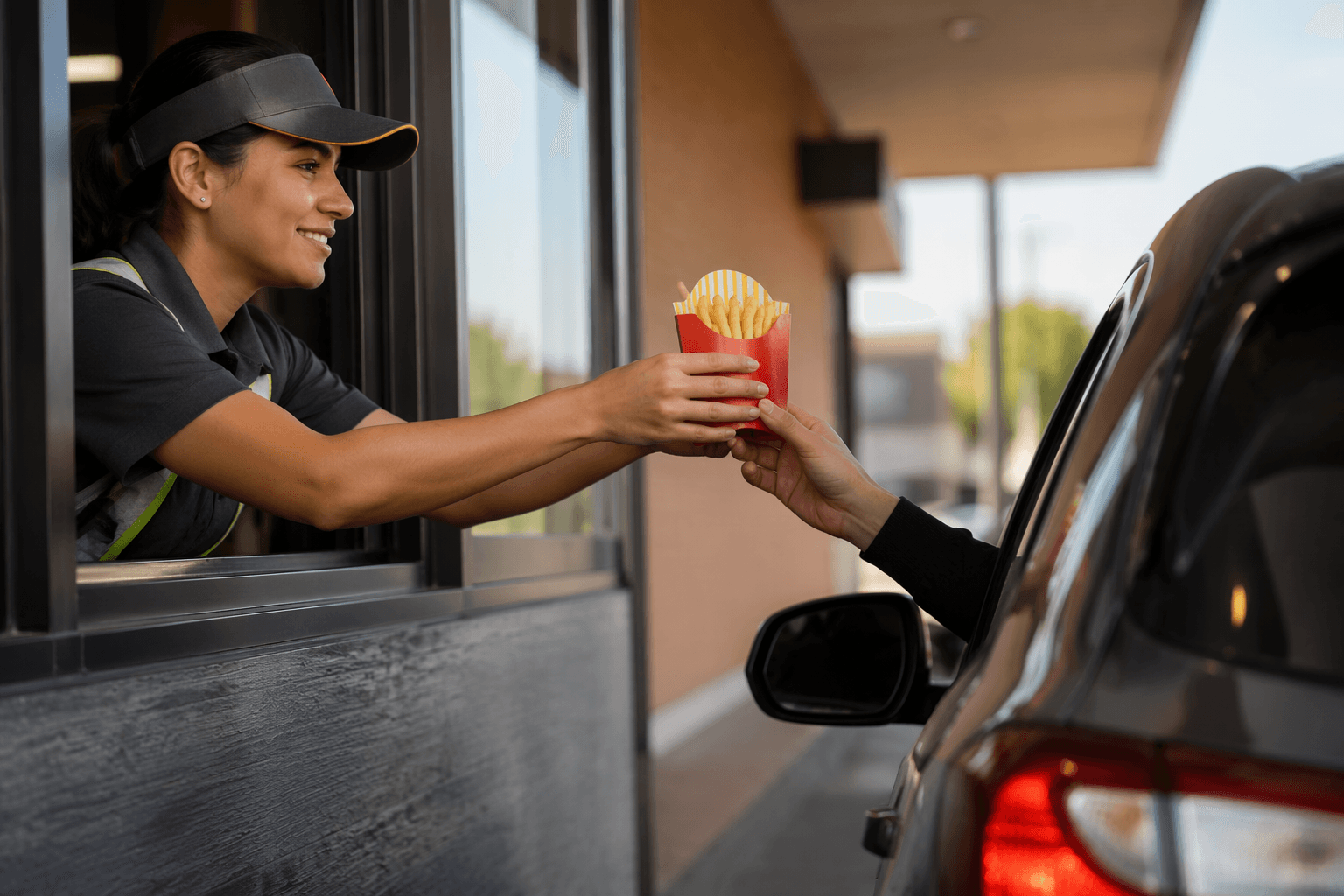
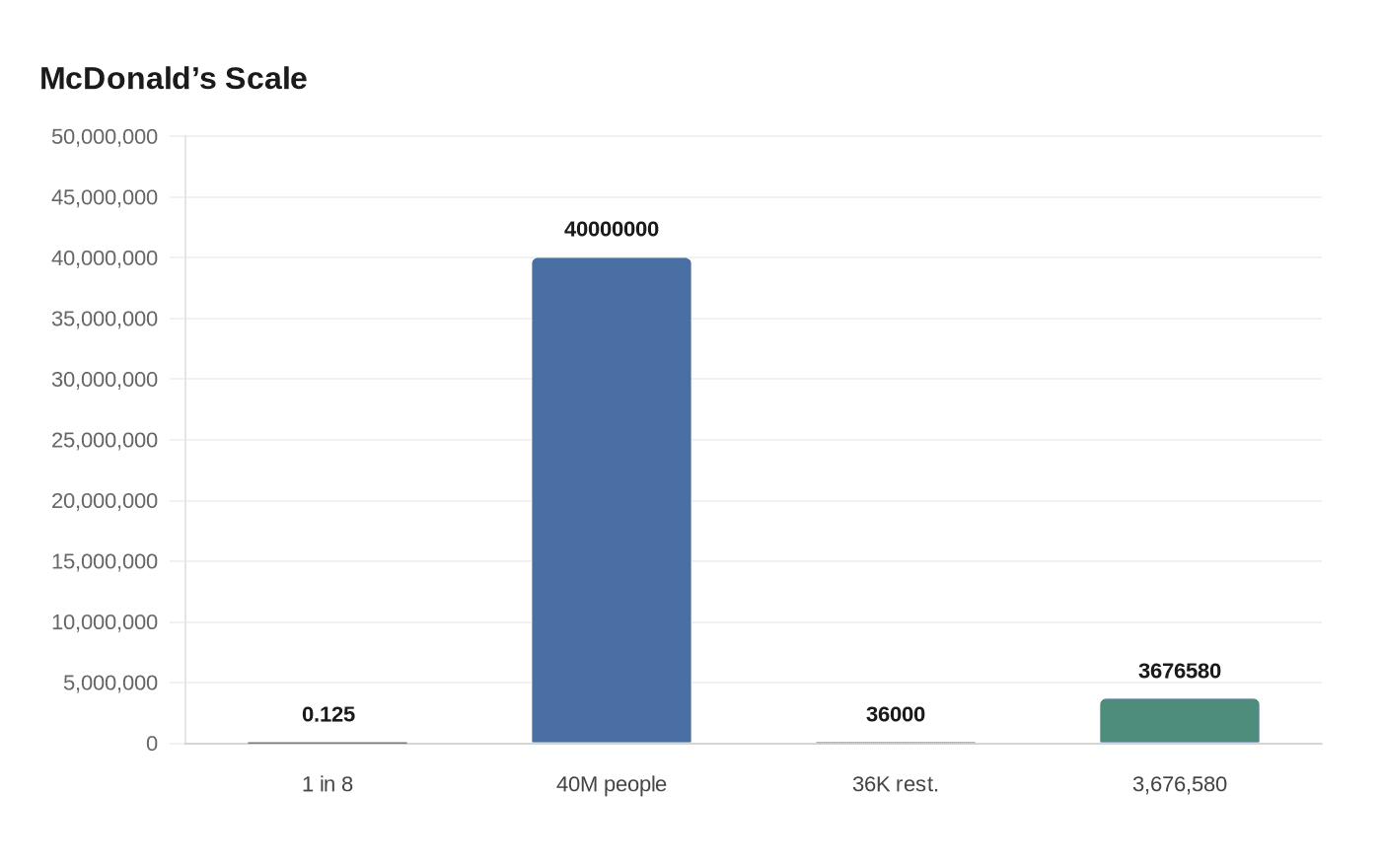
Harvard Business School’s question cuts straight through the nostalgia: if about one in eight Americans has worked at McDonald’s, is the chain still a true onramp to work, or just a very large entry point? McDonald’s says that 1-in-8 figure represents more than 40 million people, which is why the brand still carries so much weight with students, part-time workers, first-job seekers, and people trying to rebuild a work history. It is not just a restaurant chain. It is one of the most recognizable gateways into the labor market.
That matters because the McDonald’s experience is often a worker’s first real lesson in showing up on time, dealing with customers, moving fast under pressure, and working as part of a shift. The company says more than 70% of past and present crew members in its 1-in-8 campaign learned key skills there, including communication, collaboration, dependability, and leadership. Nearly half said the job created opportunities they would not otherwise have had. Those are the kinds of gains that can shape a résumé long after a crew member leaves the Golden Arches.
Why the promise still matters
The reason McDonald’s remains such a powerful workforce institution is scale. The company says it has more than 36,000 restaurants in more than 100 nations, and in the United States alone the fast-food and counter-worker category numbered 3,676,580 people in May 2023, according to the U.S. Bureau of Labor Statistics. The industry’s reach is especially important for younger workers: BLS says leisure and hospitality employs the largest share of young workers, and that the youth labor force rises sharply between April and July as students seek summer jobs and graduates enter the labor market.
That seasonal pattern helps explain why McDonald’s still matters as a first stop. For many workers, the job is not a career endpoint. It is the first paid role in a system that can either build confidence and habits or chew up time with little return. In a labor market where starting wage jobs are often unstable, the chain’s size makes it a bellwether for what entry-level work in America looks like now.
The numbers behind the onramp
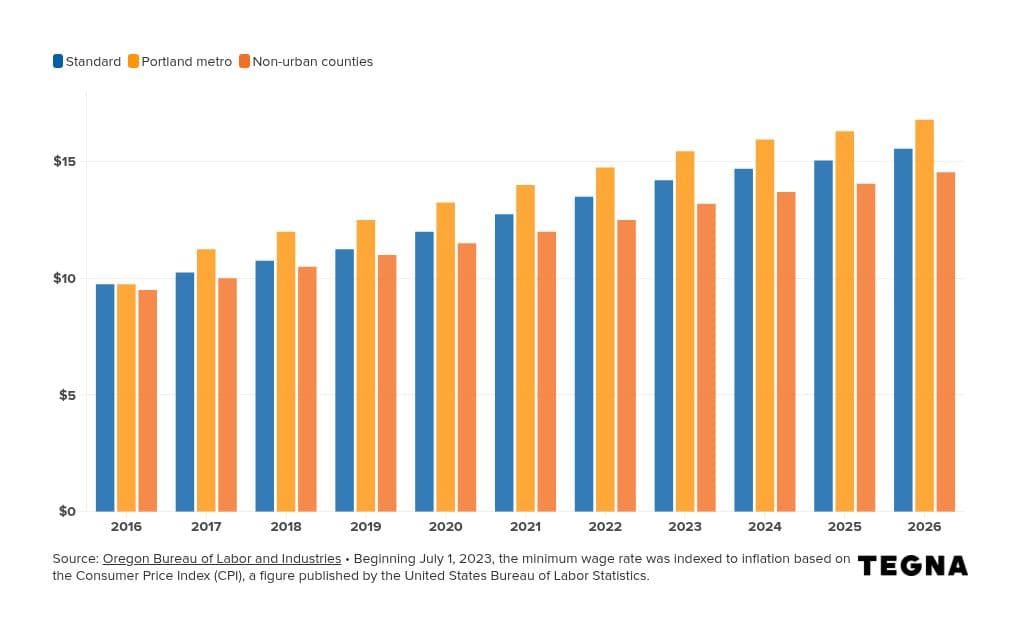
The pay and working conditions around that first job shape whether the onramp leads somewhere meaningful. BLS reported that fast food and counter workers had a mean hourly wage of $14.48 in May 2023 and a median hourly wage of $14.20. Those figures help explain why fast food has remained central to national debates over wages and worker mobility. A first job can teach skills, but if hours are inconsistent or management is weak, the training value gets lost fast.
That is where the tension sits for McDonald’s workers. The company can offer a first credential, a first manager reference, and a fast path into customer service and food safety. But the same structure can leave crew members stuck in churn if stores treat turnover as normal rather than something to fix. For workers, the difference between a useful launch pad and a dead end often comes down to whether a restaurant invests in coaching, scheduling, and promotion.
The company has been trying to build a ladder
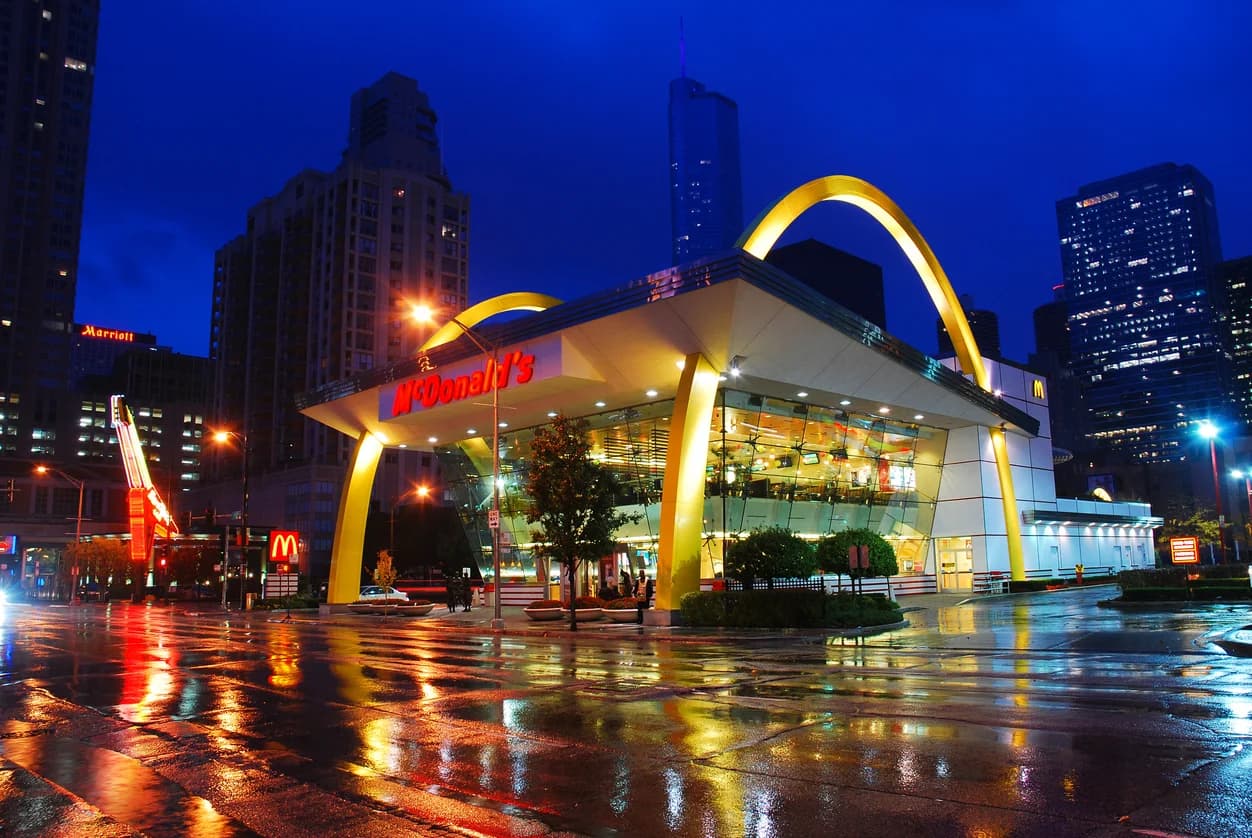
McDonald’s history shows that it understood training early. Ray Kroc opened the first McDonald’s restaurant in Des Plaines, Illinois, on April 15, 1955. The company says it acquired the brothers’ business in 1961 for $2.7 million, and that same year Hamburger University opened in the basement of a McDonald’s restaurant in Elk Grove Village, Illinois. The symbolism matters: management development was built into the brand before fast food became the giant labor system it is today.
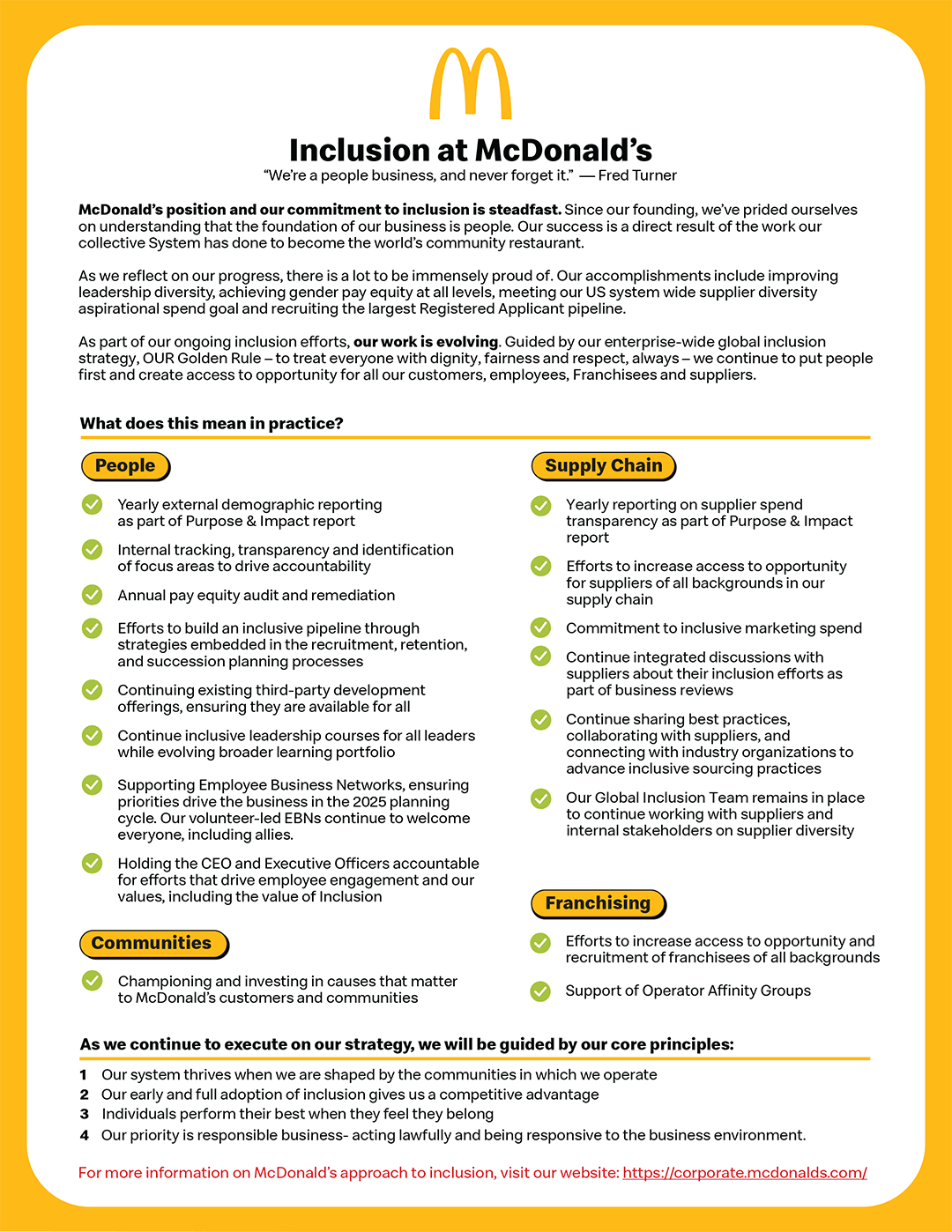
Hamburger University is more than a corporate curiosity. McDonald’s says graduates receive Bachelor of Hamburgerology degrees, a detail that has long helped the company present itself as a place that can teach people how to move up, not just how to work a grill. That training story is central to the way McDonald’s defends its role in the labor market. The company’s own workforce vision is to be an “iconic talent destination,” with a focus on elevating employee experience, improving workforce management, gaining efficiency, and enabling advanced data analytics.
What mobility looks like in practice
The clearest test of the company’s workforce promise is whether crew members can turn a first job into a next step. McDonald’s has tried to back that up through Archways to Opportunity, which lets eligible employees earn a high school diploma at no cost, get English-language training, access tuition assistance, and receive career advising. In 2017, the company said it tripled tuition assistance to $2,500 a year for eligible crew and $3,000 a year for managers. By 2019, McDonald’s said Archways had helped more than 50,000 employees and awarded more than $90 million in tuition assistance since its 2015 launch.
That kind of support is what separates a résumé line from a genuine mobility story. A high school diploma, English training, and tuition help do not automatically create upward movement, but they make it possible for a first job to connect to school, certification, or a longer-term career. For workers balancing shifts, classes, and family obligations, that matters as much as the hourly wage.
Branding the first job as identity
McDonald’s has also spent the last few years trying to make the first-job story feel like a source of pride instead of a punchline. It launched its 1-in-8 initiative in October 2023, spotlighted crew stories again in September 2024, and in January 2026 dedicated Jan. 8 as the first-ever 1 in 8 Day. The company framed the shared experience as connecting more than 40 million people and paired that effort with the Archways and Ambition mentorship program to link past and present crew members.
That tells you something important about the company’s posture. McDonald’s is not only defending itself as a starter employer. It is trying to turn that role into a durable identity, one that can compete with the old assumption that fast food is only temporary, disposable labor. For a company with this many restaurants and this many former workers, reputation is part of the labor strategy.
The harder question underneath the hype
The deeper issue is whether the onramp still works when the labor market changes. Young workers now bring different expectations to entry-level jobs. They want more predictable schedules, clearer paths up, and real support for education and advancement. McDonald’s has responded with training, tuition help, career advising, and technology-driven workforce management, but the real test is what happens in the store: who gets coached, who gets scheduled, and who gets promoted.
That is why Harvard Business School’s question is so useful. McDonald’s still gives millions a first job, and for many people that first job still matters. But the company’s true value to the workforce will not be measured by how many people pass through its doors. It will be measured by how many can move beyond them.
This article was produced by Prism’s automated news system from verified source data, official records, and press releases, then run through automated quality and moderation checks before publishing. The system is built and supervised by the people who set the standards it runs under. Read our full AI policy.
Did this article answer your question?