McDonald’s technology careers page shows broader corporate job paths
McDonald’s tech careers page points to a bigger job ecosystem, but the key test is whether restaurant workers can realistically move into it.
McDonald’s is widening the job map
McDonald’s technology careers page sends a clear signal: the company wants people to see more than crew jobs, shift work, and store-level operations. The page describes work with diverse global teams on technology that shows up at neighborhood restaurants, and it opens the door to roles in legal, brand marketing, financial systems, and technical product management, not just engineering.
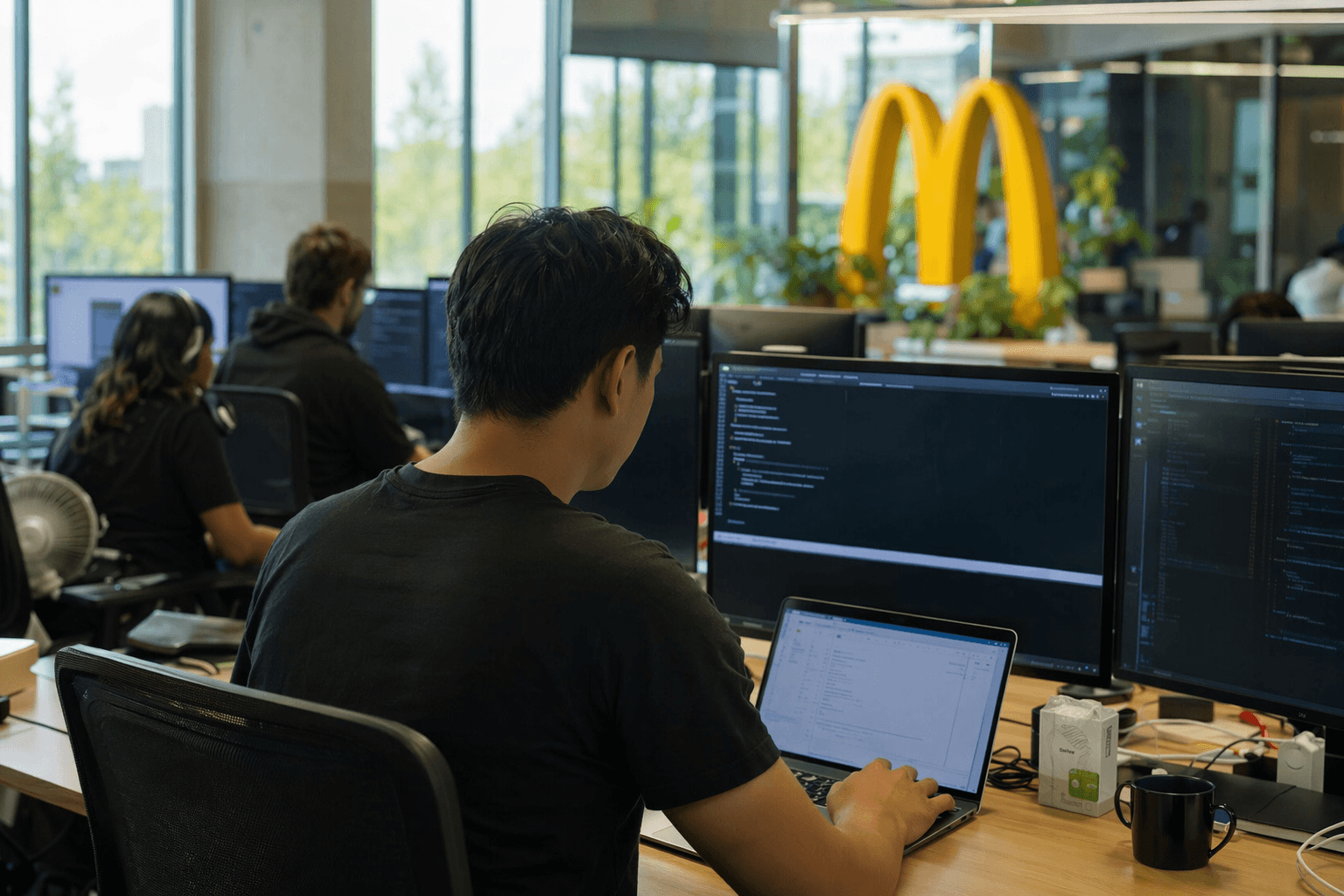
That matters because the restaurant experience is now tied to a digital stack that reaches into app ordering, kiosks, infrastructure, data, and internal tools. For a company built on speed and consistency, those systems are no longer back-office extras. They shape what happens on the floor, in the kitchen, at the counter, and in the drive-thru.
Why this matters on the restaurant floor
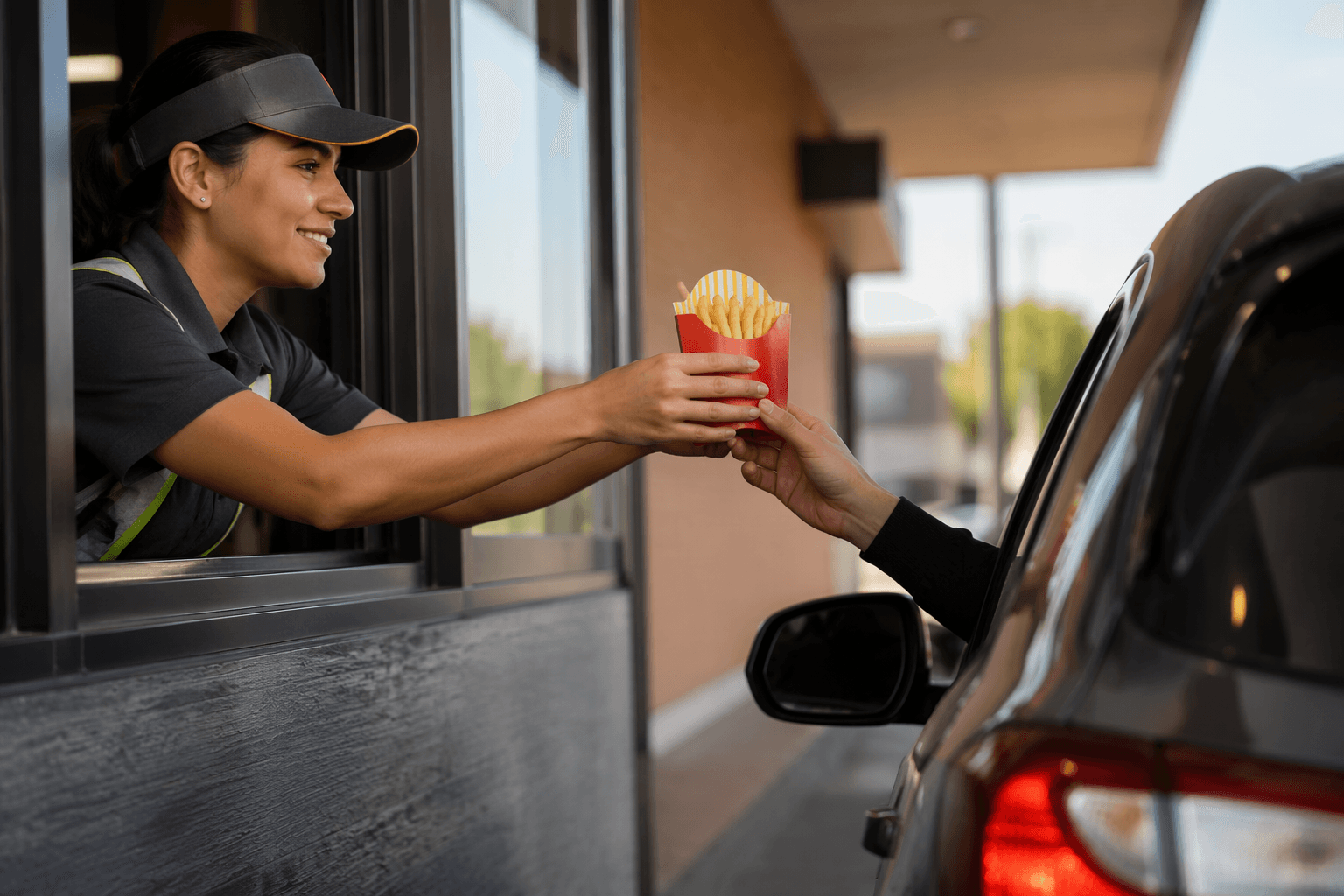
For crew members and managers, McDonald’s technology story is not abstract. It affects scheduling tools, mobile ordering, point-of-sale systems, kitchen equipment, and the way stores manage guests and labor. When those systems work, they can smooth out rushes, reduce mistakes, and make it easier for a crew to keep pace with orders coming from multiple channels at once.
The more practical takeaway is that digital fluency may now count as a workplace skill at McDonald’s. A crew member who learns how those systems flow through a restaurant may be better positioned for promotion into shift management or operations support. A manager who understands the tech can use it to reduce friction instead of treating every new system like another corporate headache. For franchisees, the same talent pipeline shows where the brand is investing for the long term.
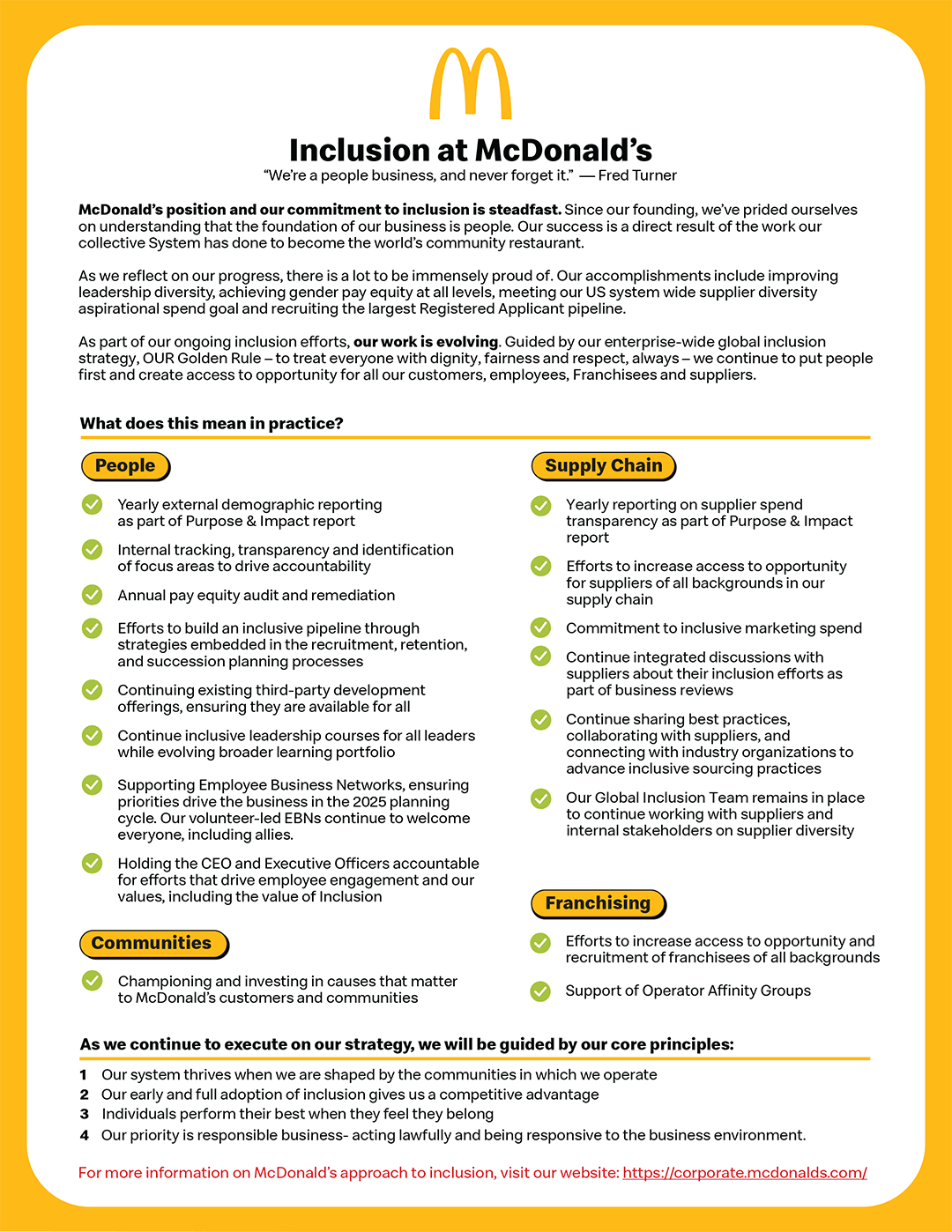
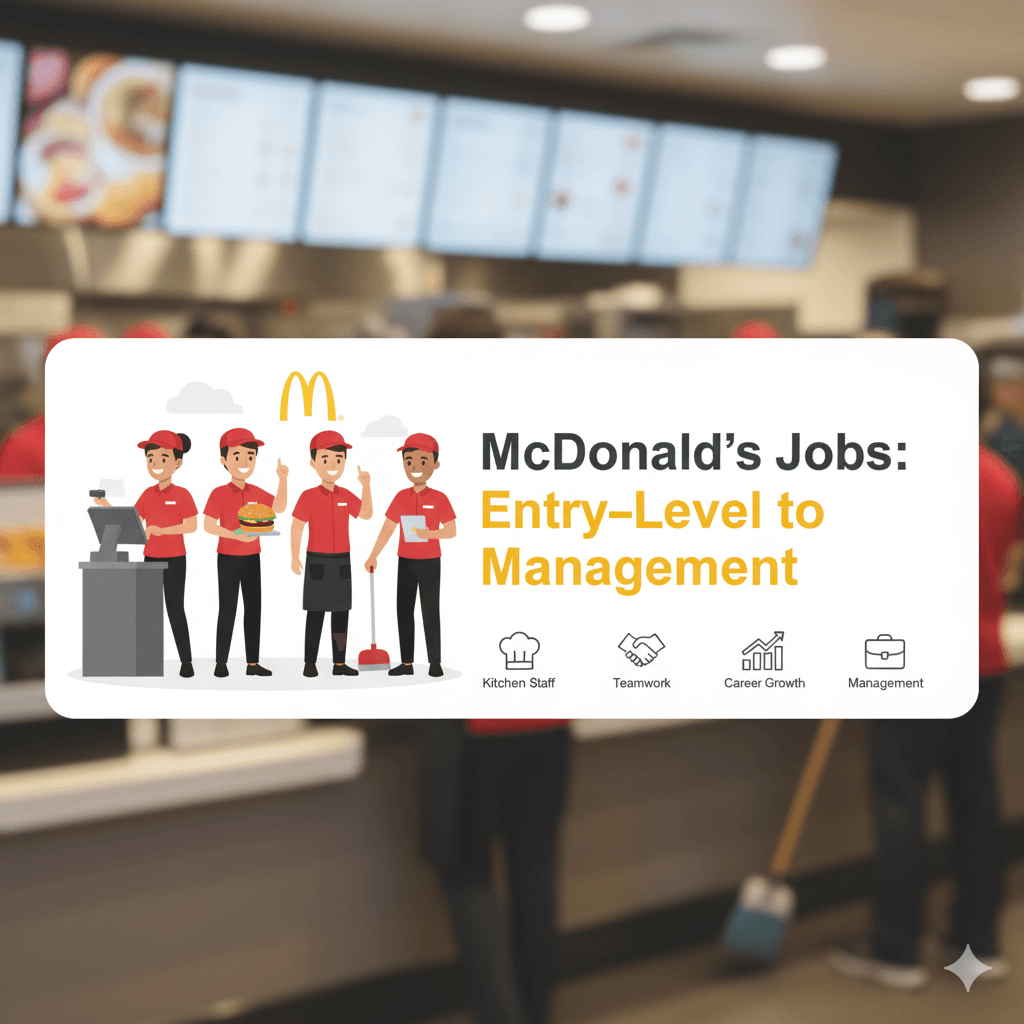
There is also a cultural shift here. McDonald’s has long been seen as a place where workers enter, do the job, and move on. This page suggests a broader internal ladder, one that could let high-performing managers and field employees move into corporate or regional roles without leaving the brand. The open question is whether that ladder is truly accessible to restaurant employees, or whether it still functions mostly as a separate white-collar track.
The business case behind the digital push
McDonald’s has not framed this as a side experiment. In December 2023, it announced a multi-year global partnership with Google Cloud to connect cloud technology across thousands of restaurants worldwide. At the same time, it said it would use hardware, data, and AI tools to improve experiences for customers, restaurant teams, and employees.
The company also set a bold target: grow loyalty membership from 150 million to 250 million 90-day active users by 2027, while reaching $45 billion in annual systemwide sales to loyalty members in that same year. Those numbers show why digital skills now matter in a restaurant company. Loyalty, app ordering, and connected restaurant tools are becoming core revenue engines, not optional add-ons.
The sales figures underline the pace of change. McDonald’s said full-year 2024 systemwide sales to loyalty members were approximately $30 billion, with about $8 billion in the fourth quarter across 60 loyalty markets. By February 2025, it reported more than 175 million 90-day active loyalty users across 60 markets. By February 2026, that number had climbed to nearly 210 million across 70 markets, and full-year 2025 systemwide sales to loyalty members had reached nearly $37 billion. In its first-quarter 2026 update, McDonald’s said trailing-twelve-month systemwide sales to loyalty members were over $38 billion.
The broader company scale makes the strategy even more important. McDonald’s said its global systemwide sales exceeded $139 billion in full-year 2024. That kind of footprint helps explain why the company is staffing around software, product, and data as much as burgers and fries. The restaurant brand is becoming a platform, and platforms need people who can maintain the systems underneath them.
What the technology actually changes inside restaurants
Brian Rice, McDonald’s executive vice president and global chief information officer, said in August 2025 that the company’s digital work is about using scale effectively, not scale alone. That is a telling distinction. McDonald’s is not just trying to bolt new tools onto old stores. It is trying to make a massive operation work better by redesigning the way customers, kitchens, and employees interact.
Rice pointed to digital work such as web ordering in Sweden and Ready on Arrival in top markets. McDonald’s has said Ready on Arrival can make service faster and reduce wait times for app users. That kind of system changes the tempo of the restaurant floor. It can speed up handoffs, but it can also add pressure if stores do not have enough labor or if the systems are not reliable.
That is where the worker-facing question gets sharper. McDonald’s and other chains have spent years facing public pressure over wages, staffing, and automation, including the Fight for $15 campaign and the wider debate over minimum wage legislation. Now the company is expanding digital systems at the same time it is trying to show that those systems can support employees as well as customers. Whether that promise feels real in a restaurant depends on execution, staffing, and training, not just branding.
The AI lesson: technology at McDonald’s is still messy
McDonald’s digital push has also had public failures, and those matter because they show the company cannot simply buy its way into better operations. In 2024, McDonald’s ended its AI drive-thru test with IBM after testing automated order taking in more than 100 restaurants, and reports said the system would be removed by July 26, 2024. The episode is a reminder that restaurant technology is not plug-and-play.
That history explains why McDonald’s may need more in-house product, systems, and technical talent than it once did. Ordering can be messy, especially when restaurants are juggling counter traffic, drive-thru traffic, couriers, and curbside delivery at the same time. Independent reporting in 2025 also said McDonald’s was updating 43,000 restaurants with internet-connected kitchen equipment, AI-enabled drive-thrus, and AI-powered management tools designed to improve both customer and employee experience.
That detail matters for workers because it shows the technology is not just customer-facing convenience. It reaches into the daily rhythm of labor, kitchen flow, and store management. The strongest digital systems can reduce mistakes and free up time. The weakest ones create confusion, slowdowns, and more pressure on the people closest to the food.
What workers should read into the careers page
The careers page is best understood as a window into McDonald’s next phase. The company is still a restaurant chain, but it is also building a corporate technology organization that now includes legal, brand, financial, and product roles alongside more traditional technical work. That is a meaningful shift for anyone trying to understand where the company is headed.
For restaurant workers, the real test is mobility. If McDonald’s wants its technology story to feel credible on the front line, it has to show that a strong shift manager, field employee, or operations leader can actually move into those broader roles. If not, the digital ecosystem will look like a parallel career track reserved for people already outside the restaurant.
McDonald’s is increasingly a hybrid of hospitality and digital operations. The company’s own numbers show that loyalty, cloud systems, and AI are already tied to sales and restaurant performance at enormous scale. The question now is not whether technology is part of the job. It is whether McDonald’s can turn that technology into a real path up for the workers who keep the stores running.
This article was produced by Prism’s automated news system from verified source data, official records, and press releases, then run through automated quality and moderation checks before publishing. The system is built and supervised by the people who set the standards it runs under. Read our full AI policy.
Did this article answer your question?