Labor Department wins $750,000 wage case against Washington restaurants
A Washington restaurant group was ordered to pay $750,000 after federal investigators found overtime, minimum wage, retaliation and child labor violations.
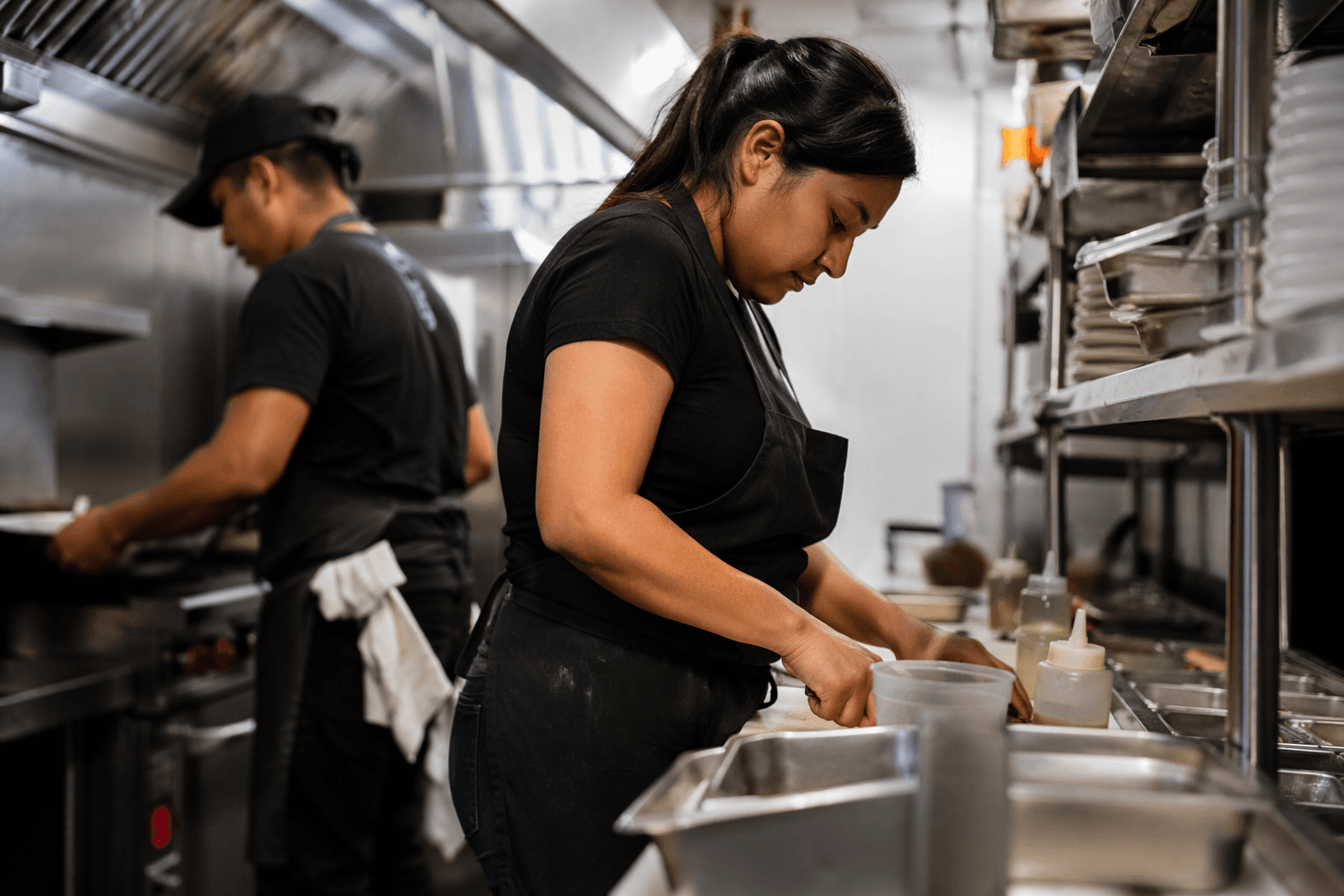
A federal court judgment ordering four Washington restaurants to pay $750,000 to 42 workers is the kind of wage-and-hour case McDonald’s operators cannot afford to treat as someone else’s problem. The Labor Department said the ruling came after investigators found failures that hit the core of restaurant payroll: overtime, minimum wage, retaliation and child labor compliance.
The case involved Blanco Inc. and Mi Rancho Chico Inc., doing business as Rancho Chico in Spokane, Colville and Omak, and named owners Nolberto Rodríguez and Guillermina Rodríguez. Investigators said the restaurants failed to pay time-and-a-half for hours over 40 in a workweek, paid some nonexempt employees on a salary basis that left them below the federal minimum wage of $7.25 an hour, retaliated against a worker who filed a wage complaint and violated federal child labor rules by allowing minors to operate hazardous equipment. The owners had first agreed to pay back wages, then failed to follow through, which pushed the Labor Department’s Office of the Solicitor and the U.S. Attorney’s Office for the Eastern District of Washington to seek the court order.
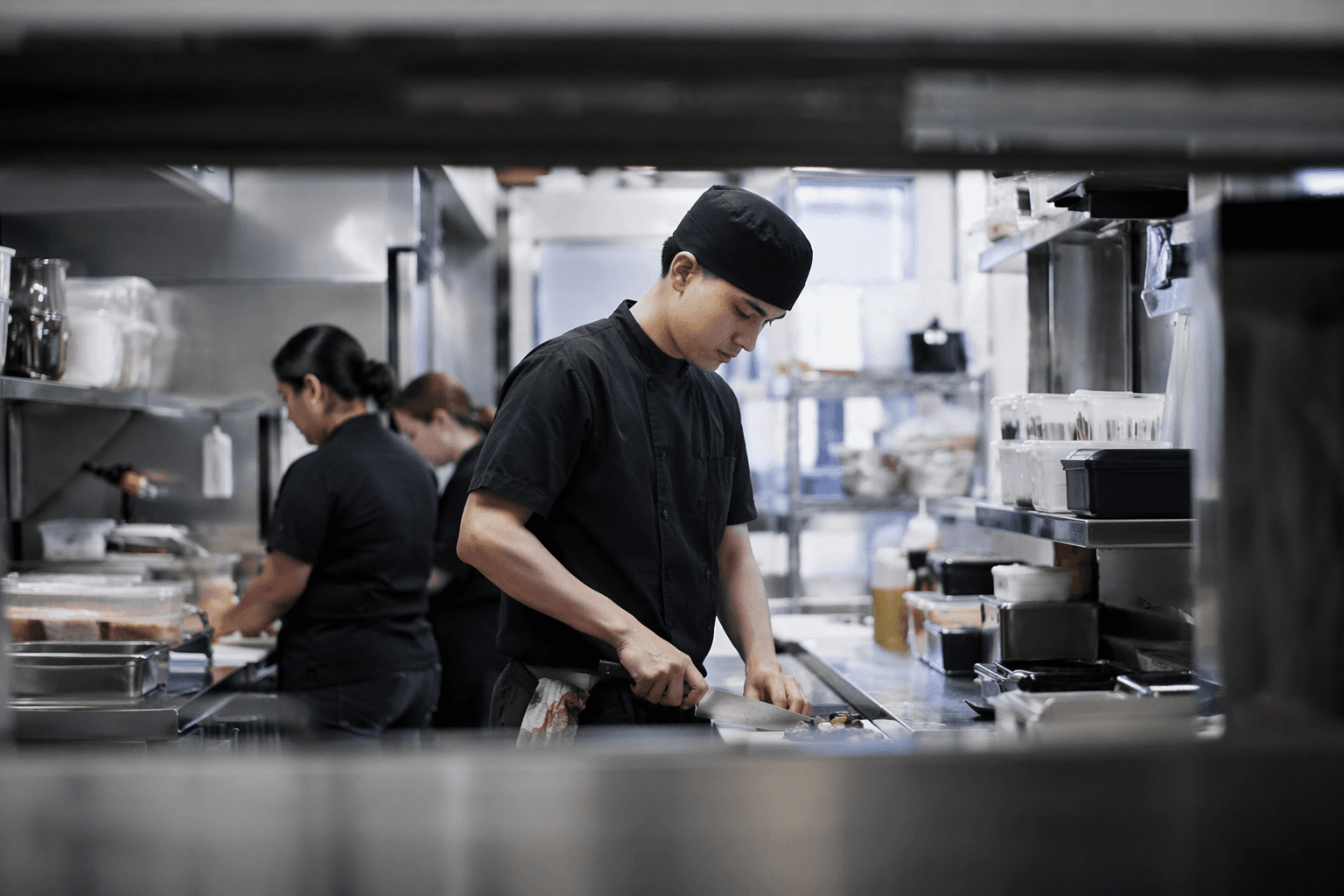
For restaurant managers, the lesson is not abstract. The violations in this case are the same ones that often start with everyday shortcuts: off-the-clock prep, missed meal breaks, overtime that is not tracked correctly and timekeeping systems that are easy to manipulate or ignore. If a crew member opens, closes, swaps shifts or stays late to clean, the hours need to be captured and paid correctly. If a worker is classified as nonexempt, salary alone does not erase overtime. And if an employee complains, retaliation can turn a payroll dispute into a much bigger federal case.
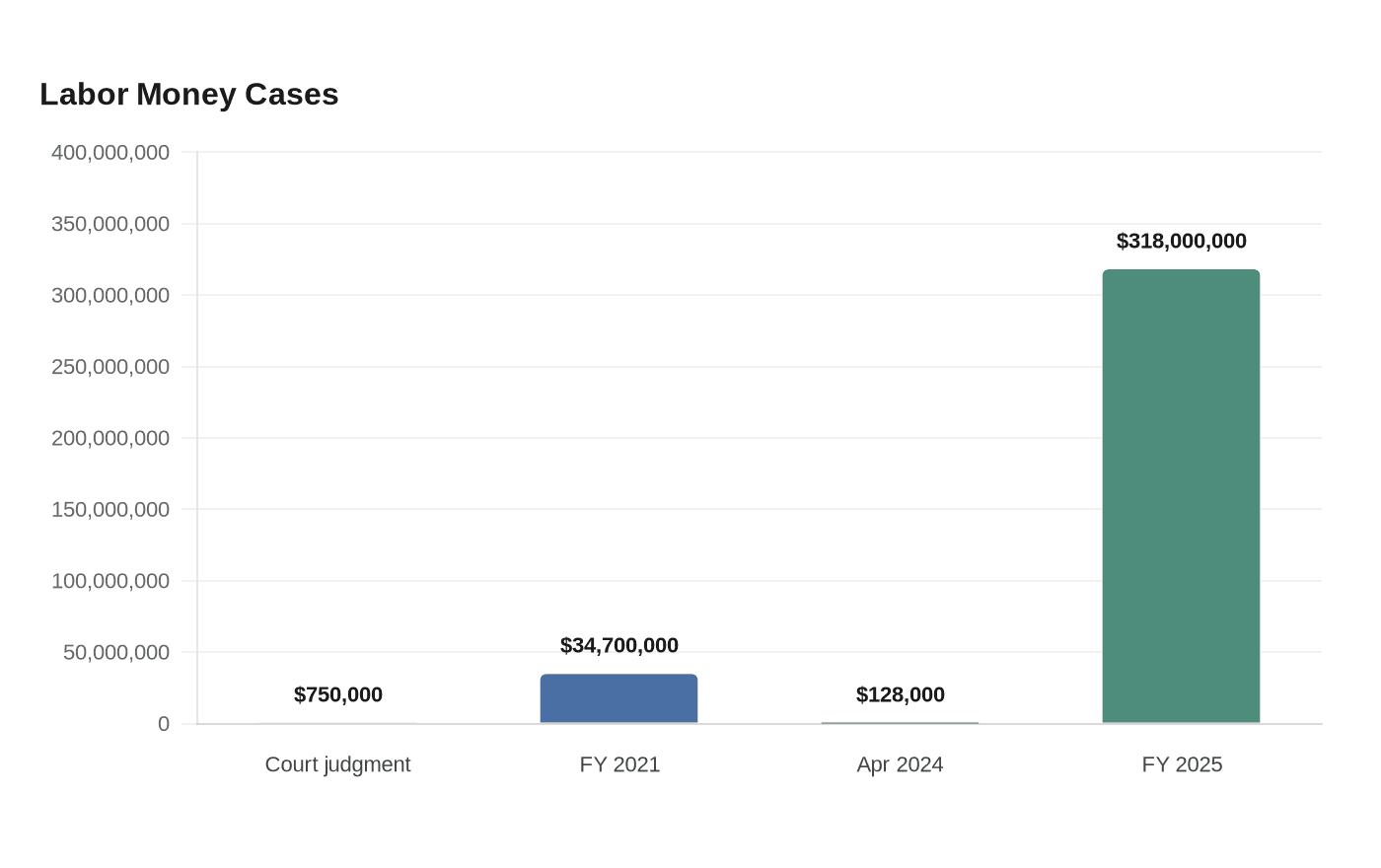
The Labor Department has spent years warning food service operators that these problems are common. In fiscal year 2021, the Wage and Hour Division said it found violations in nearly 85 percent of restaurant investigations and recovered more than $34.7 million in back wages for more than 29,000 workers. In April 2024, the department recovered $128,000 for 51 workers from five Washington restaurants operating as Chili Thai under unified operations and common control, after finding overtime was not paid properly.
The pressure has not let up. Agency data cited by Bloomberg Law showed the department assessed nearly $318 million in back pay and penalties in fiscal year 2025, the highest monetary penalties in a decade. Workers can also bring private claims for back pay and liquidated damages under the Fair Labor Standards Act, which raises the stakes for any operator relying on weak records or casual scheduling practices.
For McDonald’s managers and franchisees, the audit should start now: check clock-in and clock-out practices, compare schedules with pay stubs, review overtime calculations, confirm deductions are lawful and make sure minors are never put near hazardous equipment. In a business built on speed, labor law still moves at the pace of the paperwork.
This article was produced by Prism’s automated news system from verified source data, official records, and press releases, then run through automated quality and moderation checks before publishing. The system is built and supervised by the people who set the standards it runs under. Read our full AI policy.
Know something we missed? Have a correction or additional information?
Submit a Tip