McDonald’s pay guide shows average hourly wages vary by role and location
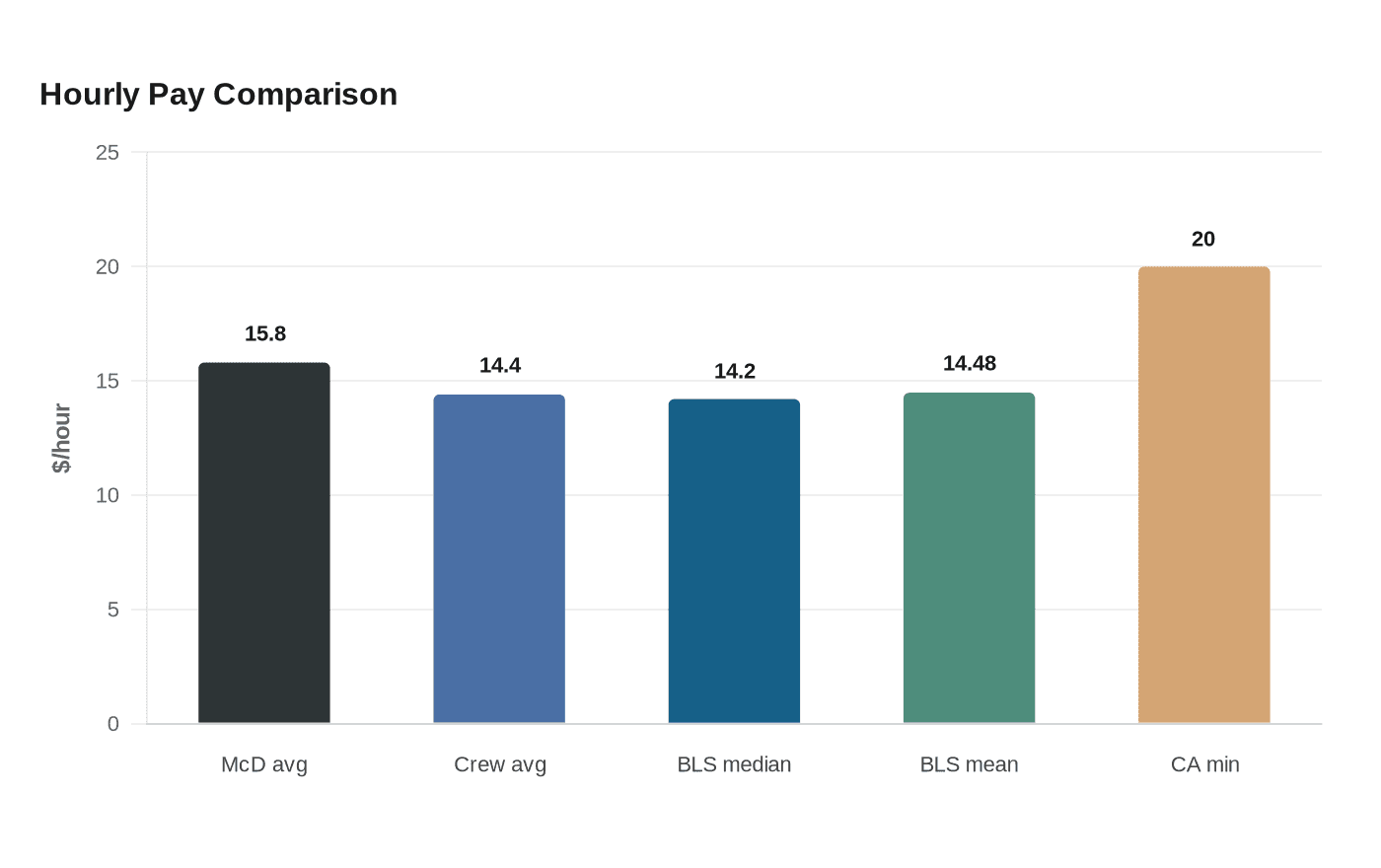
McDonald’s pay guide puts average hourly pay at $15.80, but crew offers still swing from $11.80 to $16.90 depending on store, city, and ownership.
McDonald’s latest pay guide gives jobseekers a useful reality check: the company’s listed average hourly pay is $15.80, but that number hides a wide spread between crew work, cashiers, and management. For the people on the floor, the bigger question is not just what the headline says, but whether the offer comes from a franchisee or a company-owned store, and how much the schedule, benefits, and local labor market change the value of the job.
What the pay guide shows
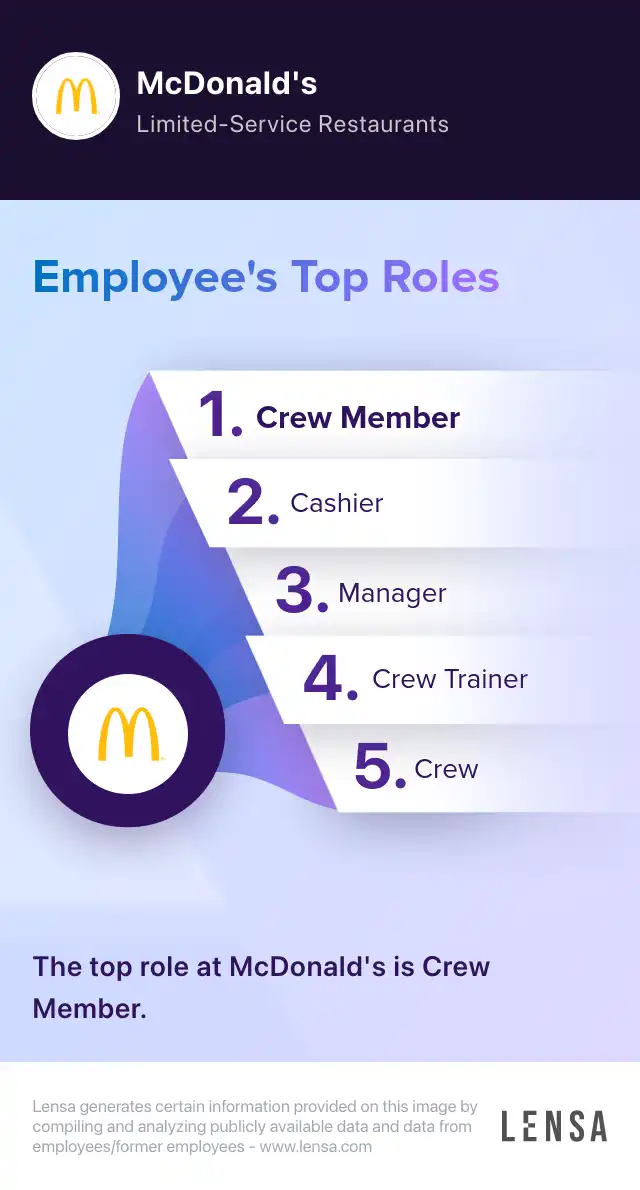
Job-Applications.com updated its McDonald’s salary guide on June 22, 2026, and the numbers point to a chain with several different wage realities under one brand. The site says McDonald’s pays an average of $15.80 an hour across all positions, while crew roles typically land in a lower hourly band and management moves into annual salary territory, around $36,000 to $45,000. A separate crew member guide on the same site puts that role at an average of $14.40 an hour, with a typical range from $11.80 to $16.90 depending on location and experience.
That matters because the pay gap is not just between crew and managers, it is often inside the same title. McDonald’s cashiers can see a different range from crew members because the chain’s jobs are shaped by local labor markets, store ownership, and staffing needs, not a single national wage scale. In other words, the number on the posting is only the starting point for figuring out what the job is really worth.
Why the same job pays differently
McDonald’s is a franchise system first, not a company with one uniform pay chart. Roughly 95% of McDonald’s restaurants worldwide are owned and operated by independent local business owners, and the company’s careers FAQ says franchised restaurants may have slightly different pay rates that are posted alongside vacancies. That means two nearby stores can advertise different pay for the same role, even when the brand name over the door is identical.
The split between company-owned and franchised restaurants is especially important for workers comparing offers. McDonald’s said in 2020 that average hourly wages at its company-owned restaurants were expected to reach $15 an hour by 2024 in a phased, market-by-market approach, and the company says it reviews pay competitiveness periodically relative to its size, scale, performance, and talent needs. That is corporate language for a simple point: pay tracks market pressure, not a single companywide floor.
For applicants, that means the real negotiating power often comes before the first shift. A McDonald’s posting in one city can look dramatically different from a posting in another, and franchise operators have room to set wages based on staffing shortages, competition, and local minimum wages. The same grill, register, and drive-thru work can therefore carry very different financial outcomes depending on where the restaurant sits and who runs it.
How McDonald’s stacks up against the broader market
Seen against federal labor data, the pay guide sits near the middle of the low-wage food-service market rather than at the top of it. The U.S. Bureau of Labor Statistics put the median hourly wage for fast food and counter workers at $14.20 in May 2023, with a mean of $14.48, while the broader food preparation and serving group had a median annual wage of $34,130 in May 2024. Job-Applications.com’s $15.80 average is a useful 2026 snapshot, but it does not put McDonald’s far above the market most crew members already know.
California is the clearest exception. The state’s 2024 fast-food law set a $20-an-hour minimum for workers at large chains, a floor that pushes McDonald’s pay there above the national figures and changes the baseline for entry-level work. For anyone comparing offers, the takeaway is blunt: a McDonald’s job in California is playing by a different wage rule than a McDonald’s job in most of the country.
The real tradeoff: higher pay, but is the job more stable?
The Fight for $15 changed the conversation around fast-food work by making low wages, not just fast service, part of the public debate. But the larger worker question has never been only the hourly rate. It is whether a wage increase actually leads to more stable hours, more predictable schedules, and enough benefits or training to turn a short-term job into something sturdier.
That is why California’s fast-food law has become such an important test case. A Harvard Kennedy School and UCSF analysis found substantial wage gains without measurable negative effects on staffing, scheduling, or benefits in the data they studied, which undercuts the familiar argument that higher pay automatically wrecks the job. At the same time, California officials noted that some workers still face the older problems that never disappear just because the wage floor rises: underemployment and unpredictable schedules.
For McDonald’s workers, that is the real tradeoff behind the pay guide. An extra dollar or two an hour can help, but if hours are erratic, shifts are cut, or the store sits in a market where rent and transportation eat the raise, the financial gain can vanish quickly. The guide is most useful when it pushes applicants to ask a better question than “What does it pay?”: “What does this job actually leave me with after the schedule is set?”
Education and the path up
McDonald’s does offer a route beyond the pay stub, and that is where the company’s education programs matter. Through Archways to Opportunity, restaurant employees can learn English, earn a high school diploma at no cost, pursue a college degree with tuition assistance, and access education and career advising. McDonald’s says the program has expanded education access for more than 65,000 managers and crew since it began in 2015.
That does not erase the core tension in fast food, where entry-level work is still shaped by local labor markets and franchise economics. But it does explain why some workers stay longer than the stereotype suggests: the job can be a paycheck, a stepping stone, or both, depending on whether the store offers stable hours and whether the education support is real enough to change a career path.
The bottom line is simple. McDonald’s pay in 2026 is not one number, it is a moving target shaped by ownership, geography, and state law, and the value of the job depends on whether the wage bump comes with enough consistency to build around. For workers, that means reading the posting as a local offer, not a national promise.
This article was produced by Prism’s automated news system from verified source data, official records, and press releases, then run through automated quality and moderation checks before publishing. The system is built and supervised by the people who set the standards it runs under. Read our full AI policy.
Know something we missed? Have a correction or additional information?
Submit a Tip