Lawsuits accuse Oklahoma McDonald's franchisee of ignoring teen harassment complaints
Teen employees say repeated warnings about a co-worker were ignored until harassment at a Purcell McDonald’s became a federal lawsuit.

Repeated complaints from 16-year-old crew members turned into a federal legal problem for the Purcell McDonald’s franchisee after workers said management brushed off warnings about a co-worker who kept crossing the line. The lawsuits put MRG Restaurants, the operator at 2211 S 9th in Purcell, Oklahoma, in the middle of a familiar workplace breakdown: reports went up, the response never stopped the conduct, and the risk landed on teenage employees on the clock.
The complaints say the behavior began with unwanted neck, back and shoulder rubs and escalated into repeated touching that left marks. One confrontation near the restaurant’s frappé machine was reportedly captured on security cameras, a detail that raises the stakes for supervisors because it suggests the store may have had clear evidence of what was happening before outside investigators got involved.

Attorney David Keesling filed both suits on behalf of two different 16-year-old employees at the same restaurant. One of the plaintiffs, Chakota P. Nelson, said the harassment by Roy Curtis Zornes II continued after repeated complaints. The lawsuits say managers ignored multiple warnings, allowing the situation to continue inside a store where the workers were minors and the duty of care was higher.
The allegations become more serious because reporting tied Zornes to a violent criminal history. Court records cited in the reporting show that in March 2010 he was charged in Oklahoma with first-degree murder, first-degree burglary, first-degree rape and first-degree arson in the death of his former foster mother, Jane Bullard. Those records also say he was later found incompetent to stand trial and placed under civil commitment. If the franchisee knew enough to keep him around teen employees anyway, the case could become a test of how much liability follows a manager who fails to separate workers and escalate a complaint fast enough.
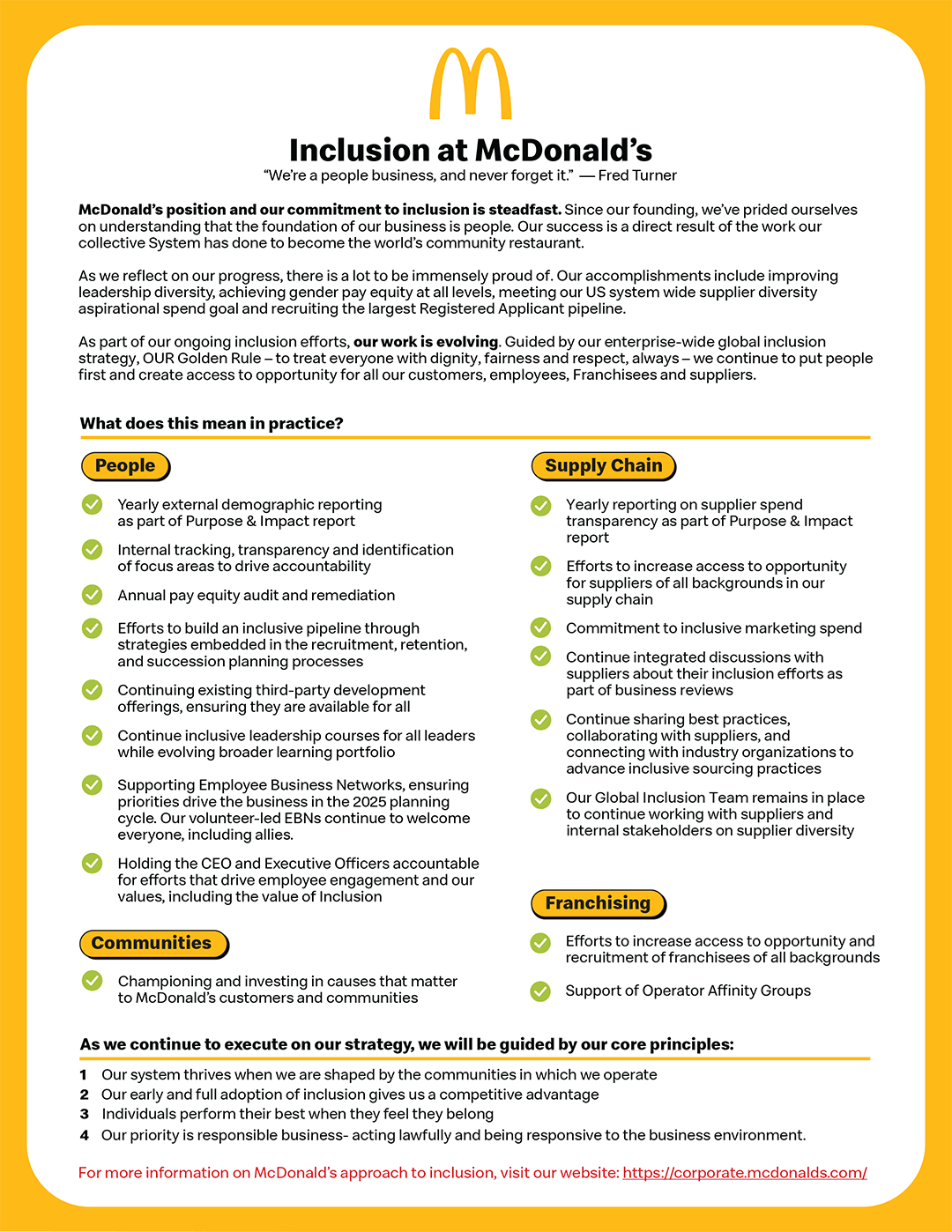
For McDonald’s operators, the lesson is operational, not abstract. The chain’s corporate guidance says it supports franchisees in fostering respectful workplaces free from harassment, discrimination, retaliation or violence, but that promise depends on what happens when a shift leader hears the first complaint. Document it, separate the employees if needed, and move the issue beyond the store before it becomes a pattern.
The timing also lands in a broader pattern of McDonald’s harassment scrutiny in Oklahoma. In January 2026, the EEOC said Arch Fellow North, LLC would pay $80,000 to resolve a teenage-worker sexual harassment case. OSHA has also warned that teen restaurant workers face common hazards and deserve conditions that do not pose a risk of serious harm. For franchise operators, that means teen complaints cannot be treated like noise from a difficult shift. Once the warnings are ignored, the lawsuit usually writes the rest of the story.
This article was produced by Prism’s automated news system from verified source data, official records, and press releases, then run through automated quality and moderation checks before publishing. The system is built and supervised by the people who set the standards it runs under. Read our full AI policy.
Did this article answer your question?