May Day protests could strain McDonald’s staffing, drive-thru operations
May Day actions hit McDonald’s first through staffing: call-outs, pickets, and thinner drive-thru crews at a chain with 45,356 restaurants worldwide.
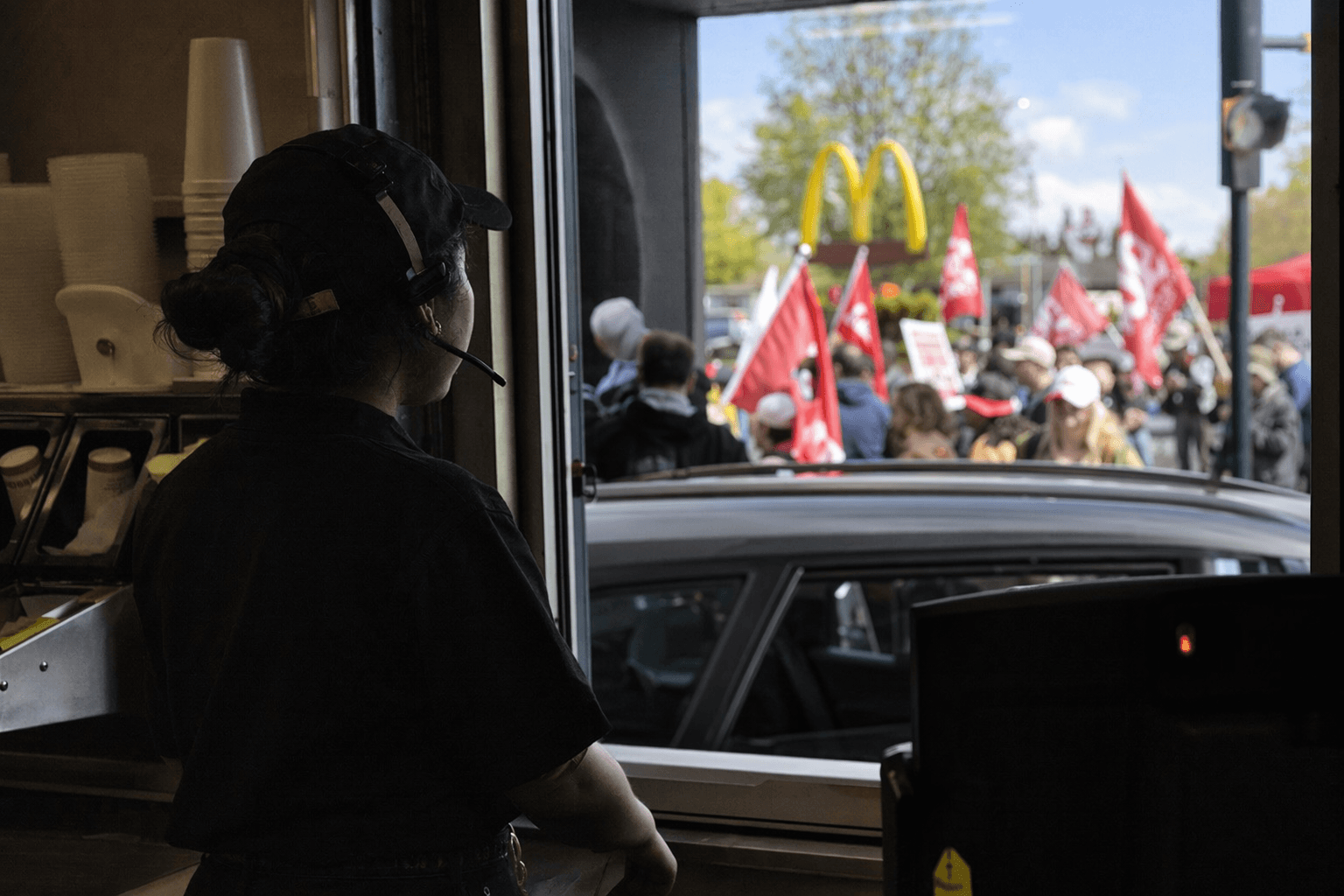
May Day protests across the United States landed first on the shift schedule: call-outs, picket lines near restaurants, and managers bracing for thin drive-thru crews and front-counter backups. For McDonald’s employees, the immediate risk was not symbolism but whether the store could stay staffed, keep orders moving, and handle a rush of customers asking if the lobby was open or if service had slowed.
Organizers framed the May 1 actions around “Workers Over Billionaires” and “No School. No Work. No Shopping.” More than 3,000 events were planned nationwide, while other coverage described roughly 500 labor groups behind the blackout message. The coalition’s pitch was a direct response to inflation, stagnant wages and Trump-administration policies, and it was built to be visible at street level, where workers, students and families rallied and marched in cities across the country.
McDonald’s was especially exposed because of its size and franchise-heavy structure. The company said in its 2025 annual report that it finished 2025 with 45,356 restaurants worldwide, and about 95% were franchised. That means even a protest not aimed squarely at the chain can still ripple through individual stores, where managers have to cover no-shows, protect service times and keep crews calm when outside attention lands on the building.
The company also said persistent inflation, tighter labor markets and broader economic uncertainty continued to weigh on lower-income consumer sentiment. That matters on a day like May 1, when labor activism and consumer pressure meet the same store. A slow lunch rush, a picket line out front or a handful of absences can turn into a bigger operational problem fast, especially in stores already running lean on labor.
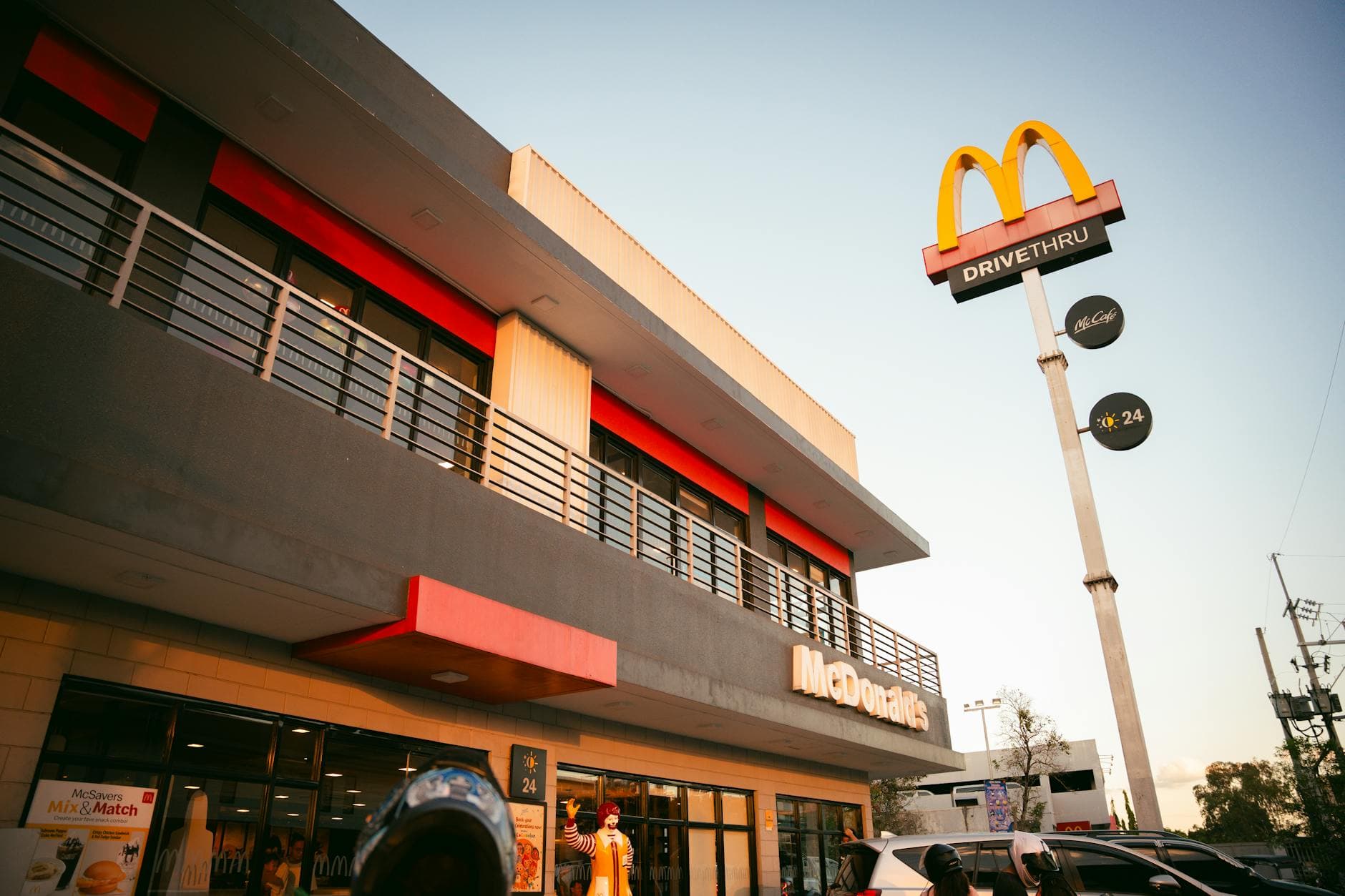
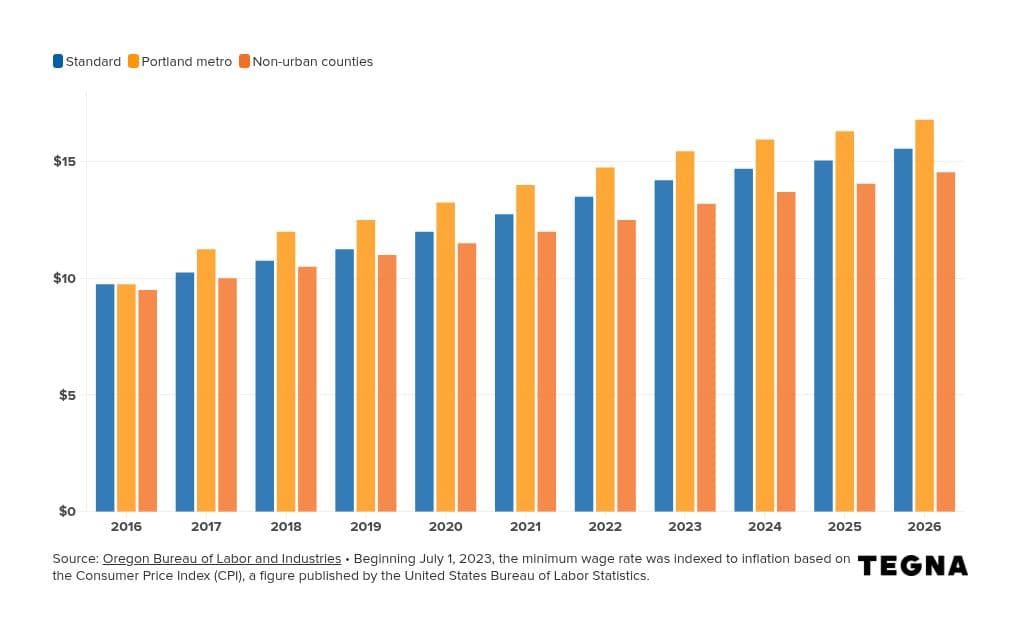
The politics behind the day also fit into a long McDonald’s labor story. The Fight for $15 movement began in 2012, when about 200 fast-food workers in New York City walked off the job demanding $15 an hour and union rights. The campaign spread to hundreds of cities, and McDonald’s became a repeated symbolic target. That history helps explain why the brand keeps showing up in protests even when the message is broader than one company.
For crew members and managers, the takeaway was practical. May Day did not just mean signs and chants outside. It meant scheduling pressure, customer tension and a renewed reminder that fast-food work, long treated as disposable, now sits inside a much larger fight over pay, safety, respect and control of the shift.
This article was produced by Prism’s automated news system from verified source data, official records, and press releases, then run through automated quality and moderation checks before publishing. The system is built and supervised by the people who set the standards it runs under. Read our full AI policy.
Did this article answer your question?