McDonald’s 2026 menu changes bring value deals, global flavors, drink pressure
McDonald’s is turning cheap meals and specialty drinks into one combined operations test. For crews, that means more traffic, more custom orders, and tighter pace on the floor.
Value traffic is not abstract
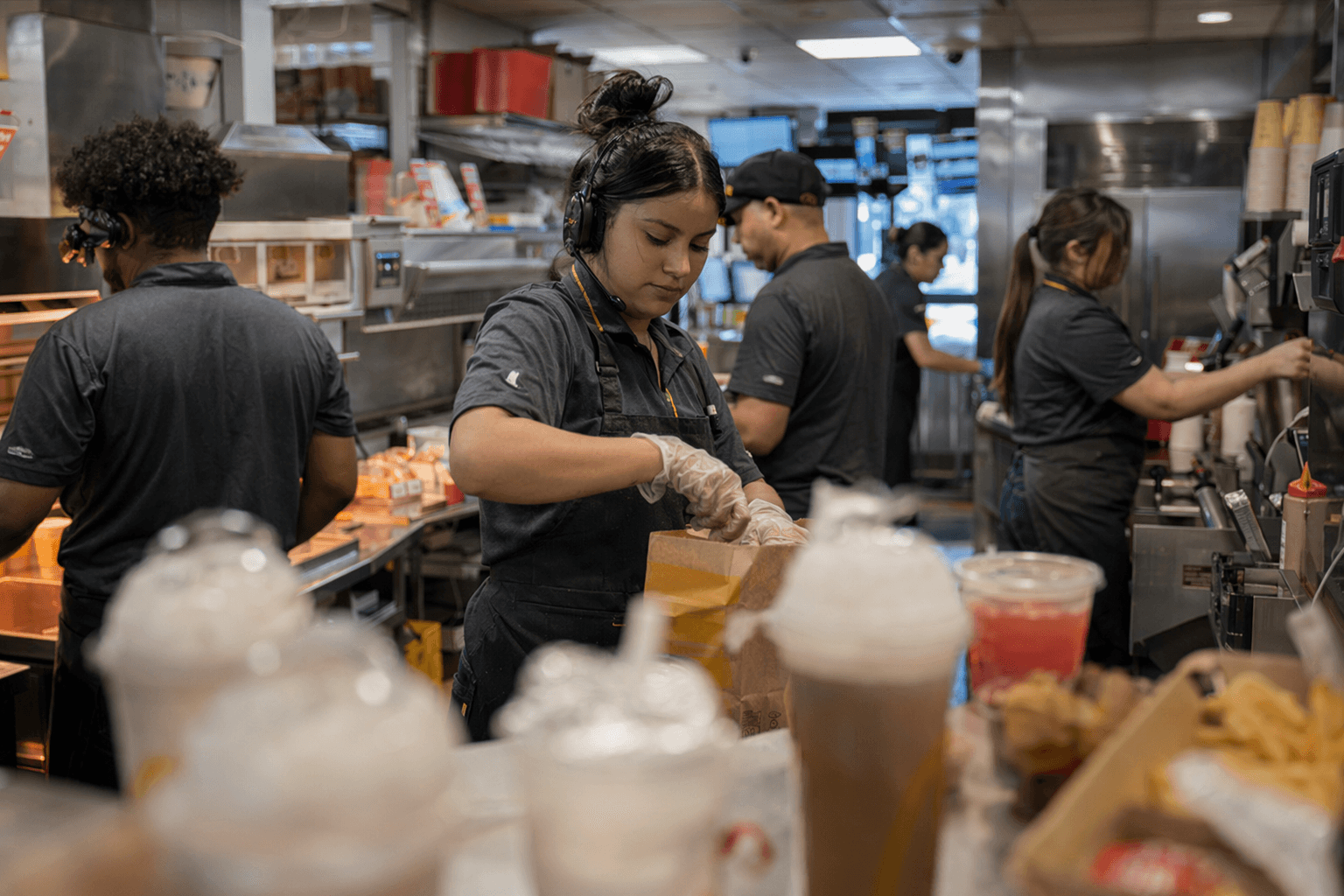
McDonald’s 2026 menu push is really a workload story. A cheaper menu pulls in more guests, specialty drinks add more assembly, and every new flavor or limited-time item makes the line a little harder to keep moving.
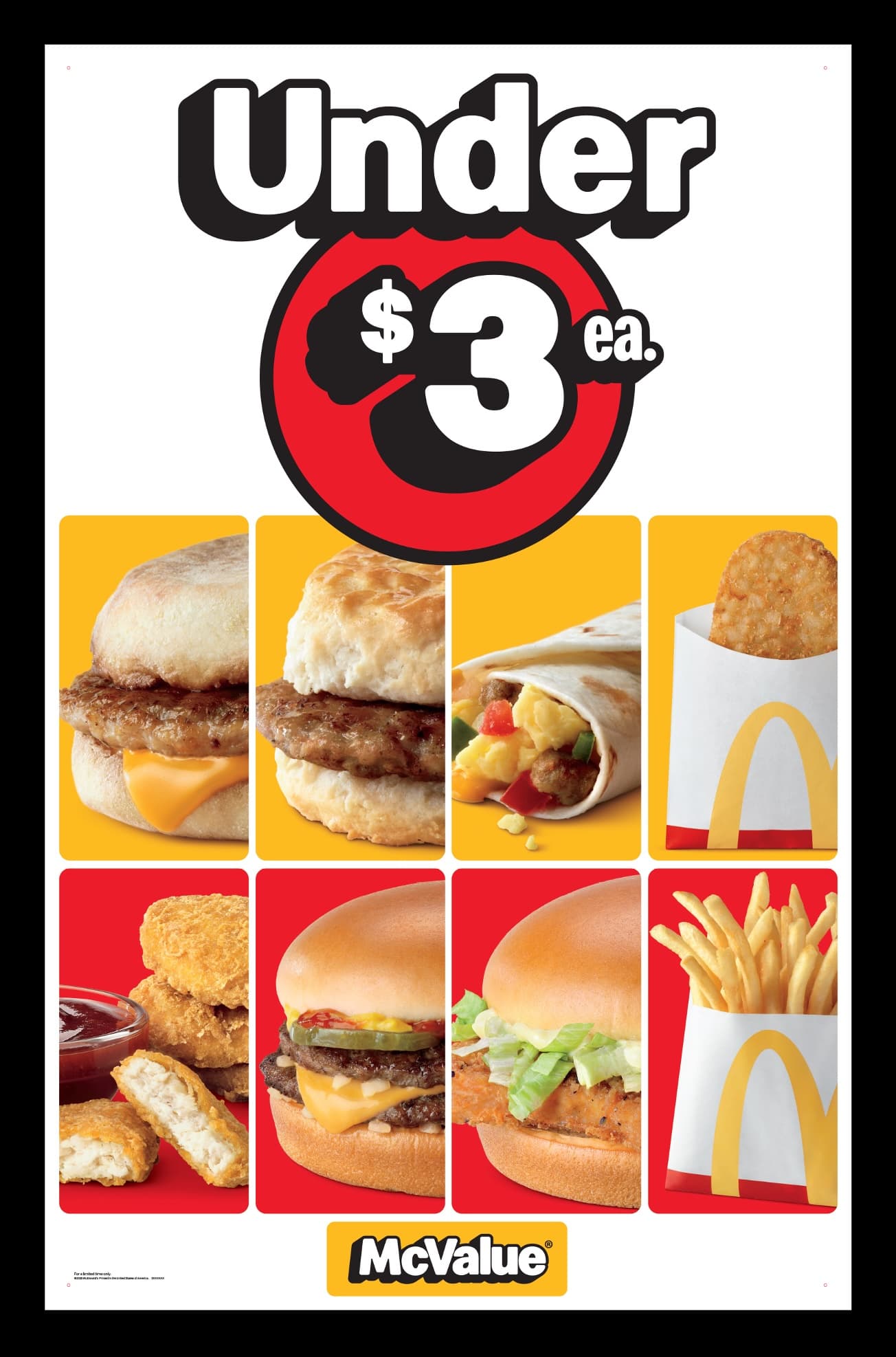
That is why the April 2, 2026 rollout of a new Under $3 Menu and a $4 Breakfast Meal Deal matters to the people behind the counter, not just to customers hunting for a bargain. McDonald’s said the refreshed McValue lineup builds on the 2025 debut of McValue and on fan feedback, which is corporate language for one thing: the company wants the deal mix to keep driving traffic.
The Under $3 Menu spans breakfast and lunch-dinner dayparts, and the item list shows exactly where the pressure lands on the restaurant:
- Sausage McMuffin
- Sausage Biscuit
- Sausage Burrito
- Hash Browns
- medium McCafé Premium Roast Coffee
- McChicken
- McDouble
- 4-Piece Chicken McNuggets
- small Fries
- medium Soft Drink
The $4 Breakfast Meal Deal and the lunch and dinner meal deals are built to feel flexible and familiar, which sounds simple until a busy shift has to absorb it. More value guests usually means more price-sensitive ordering, more questions about what is included, and more demand for speed at the exact moments when crews are already balancing breakfast hold times, lunch rushes, and dinner bundles.
The drink station is becoming a new pressure point
The biggest hidden change in this story is the beverage build. McDonald’s first began testing CosMc’s on December 7, 2023 in Bolingbrook, Illinois, then said on May 23, 2025 that CosMc’s-inspired beverages would land at hundreds of McDonald’s restaurants in the United States as part of an upcoming beverage test. By July 24, 2025, that test had expanded to more than 500 restaurants.
On April 28, 2026, the company said it was entering “a new era of drinks” with six new specialty drinks set to launch on May 6, 2026. McDonald’s has said fan interest in Sprite, Diet Coke, and the return of Hi-C Orange Lavaburst helped drive the move, which tells crews where demand is likely to cluster. Cold, flavored drinks are not just another menu board item. They can slow the line, increase customization, and force a tighter rhythm at the beverage station.
That matters because beverage expansion changes how a shift feels. More drinks usually mean more handoffs, more cups to assemble, more modifiers to process, and more chances for the front counter and drive-thru to bottleneck at once. McDonald’s has also said restaurant teams and owner-operators are at the heart of the test, a clear sign that the company knows execution, not just recipe design, will decide whether the drinks help or hurt the floor.
Gen Z demand is part of the logic here too. McDonald’s said younger customers are increasingly drawn to cold, flavorful drinks as a treat, so the beverage push is aimed at a habit change, not a one-off promotion. For workers, that means the drink station may become a more important part of every rush, especially when specialty beverages arrive at the same time as value traffic.
Why the menu now doubles as a growth strategy
The menu changes line up with a much larger business pattern. In its February 11, 2026 earnings release, McDonald’s said global comparable sales rose 5.7% in the fourth quarter of 2025 and global systemwide sales for full-year 2025 rose 7% to more than $139 billion. The company also said loyalty sales across 70 markets reached nearly $37 billion in 2025, with nearly 210 million 90-day active loyalty users at year-end.
That is the clearest sign that traffic growth at McDonald’s is increasingly tied to value, app behavior, and repeat visits. When the company pushes McValue and specialty drinks at the same time, it is not just chasing novelty. It is betting that more visits, more loyalty activity, and more digital ordering will keep the system growing.
That broader plan has been visible for a while. In a December 2023 investor update, McDonald’s set a goal of 50,000 restaurants by the end of 2027 and 250 million active loyalty members by 2027. The company also said it would deploy a new operating system across customer and restaurant digital platforms beginning in 2024. In plain terms, that means the brand sees growth as a mix of menu engineering, app traffic, and operational discipline, not just ads.
Chris Kempczinski’s McDonald’s has kept that direction consistent: value on one side, digital relevance on the other, with the restaurant team expected to make both work at the counter and in the kitchen. The 2026 menu changes fit that model almost too neatly.
What this means inside a mostly franchised system
The scale of McDonald’s makes every menu change harder to absorb. Roughly 95% of U.S. restaurants, about 13,500 locations, are owned and operated by independent franchisees, and McDonald’s said it had 45,356 restaurants worldwide at the end of 2025. That means the company can set the direction, but thousands of individual operators still have to staff, train, and pace the work.
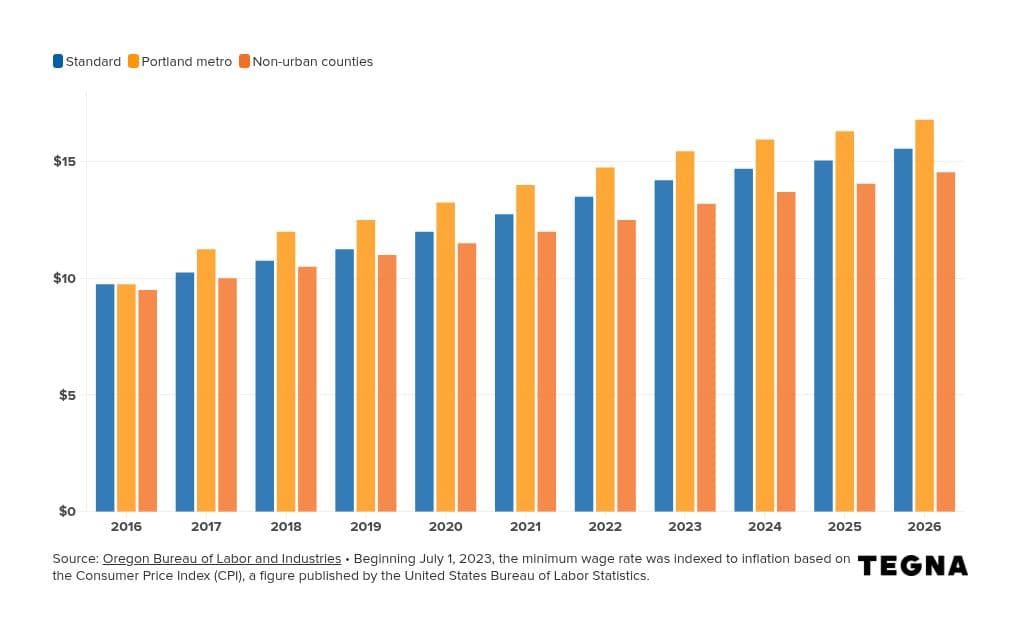
This is where franchise versus corporate tension shows up in daily life. A value rollout looks good on a slide deck, but at store level it can mean more tickets, more substitutions, more labor pressure, and more training time for people who are already juggling high turnover and tight scheduling. In a fast-food labor market shaped by years of Fight for $15-era wage pressure and continuing minimum wage fights, every new deal or specialty drink can feel like a test of how much more the same crew can absorb.
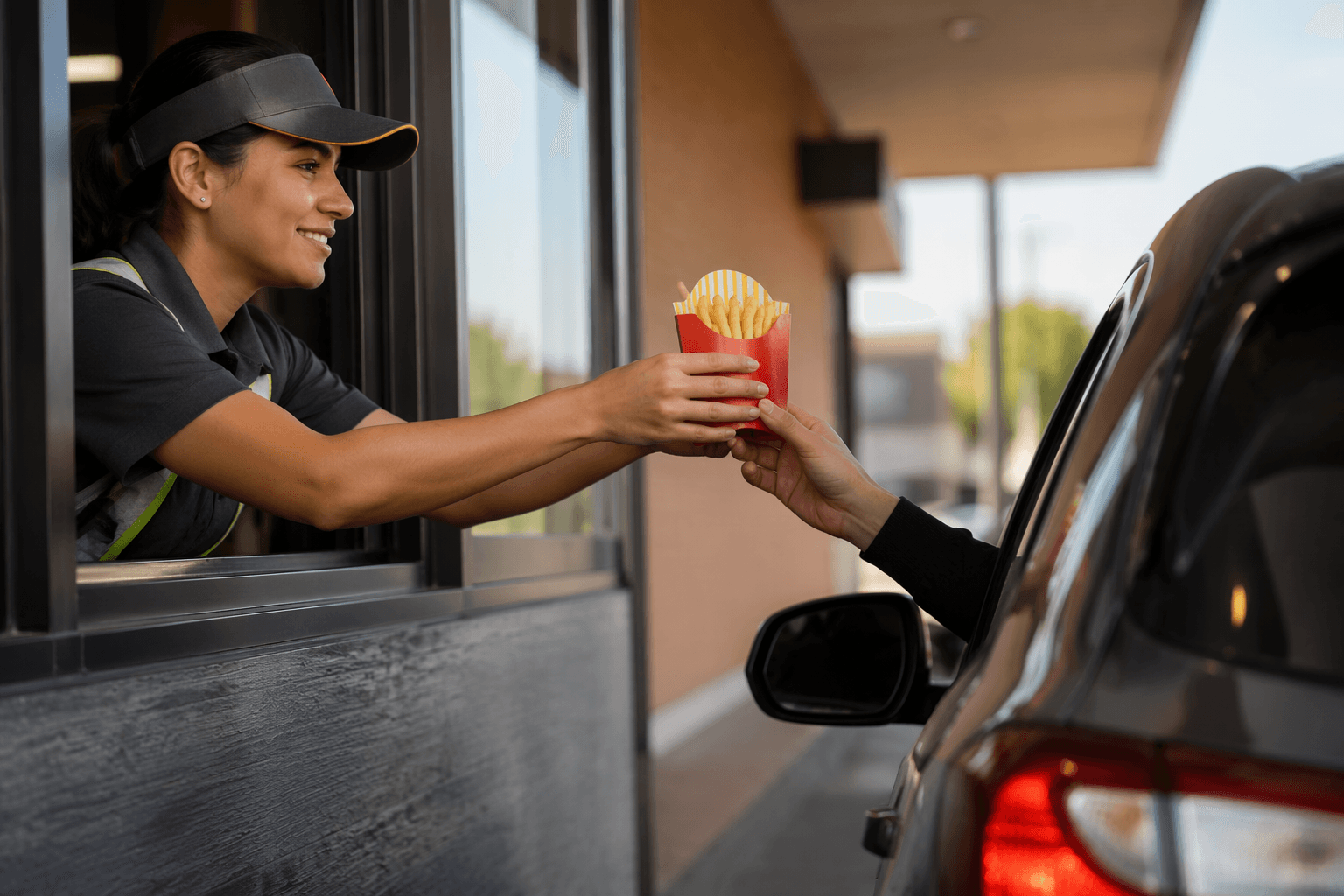
The practical challenge is keeping the restaurant easy to operate even as the menu gets busier. That is the quiet part of the story behind McDonald’s 2026 overhaul: traffic growth is not abstract for workers. It means more beverage assembly, more customization, more questions at the counter, and, very often, tighter expectations on the same shift that was already running hot.
For McDonald’s crews, managers, and franchise operators, the message is clear. The company is not separating value from innovation or drinks from operations. It is stacking them together, and the restaurants will have to make the mix work one rush at a time.
This article was produced by Prism’s automated news system from verified source data, official records, and press releases, then run through automated quality and moderation checks before publishing. The system is built and supervised by the people who set the standards it runs under. Read our full AI policy.
Did this article answer your question?