McDonald’s adds restaurants worldwide, aims for 50,000 by 2027
McDonald’s added 1,879 restaurants in 2025, and the next wave of openings could mean more promotions for crews and more pressure on managers.
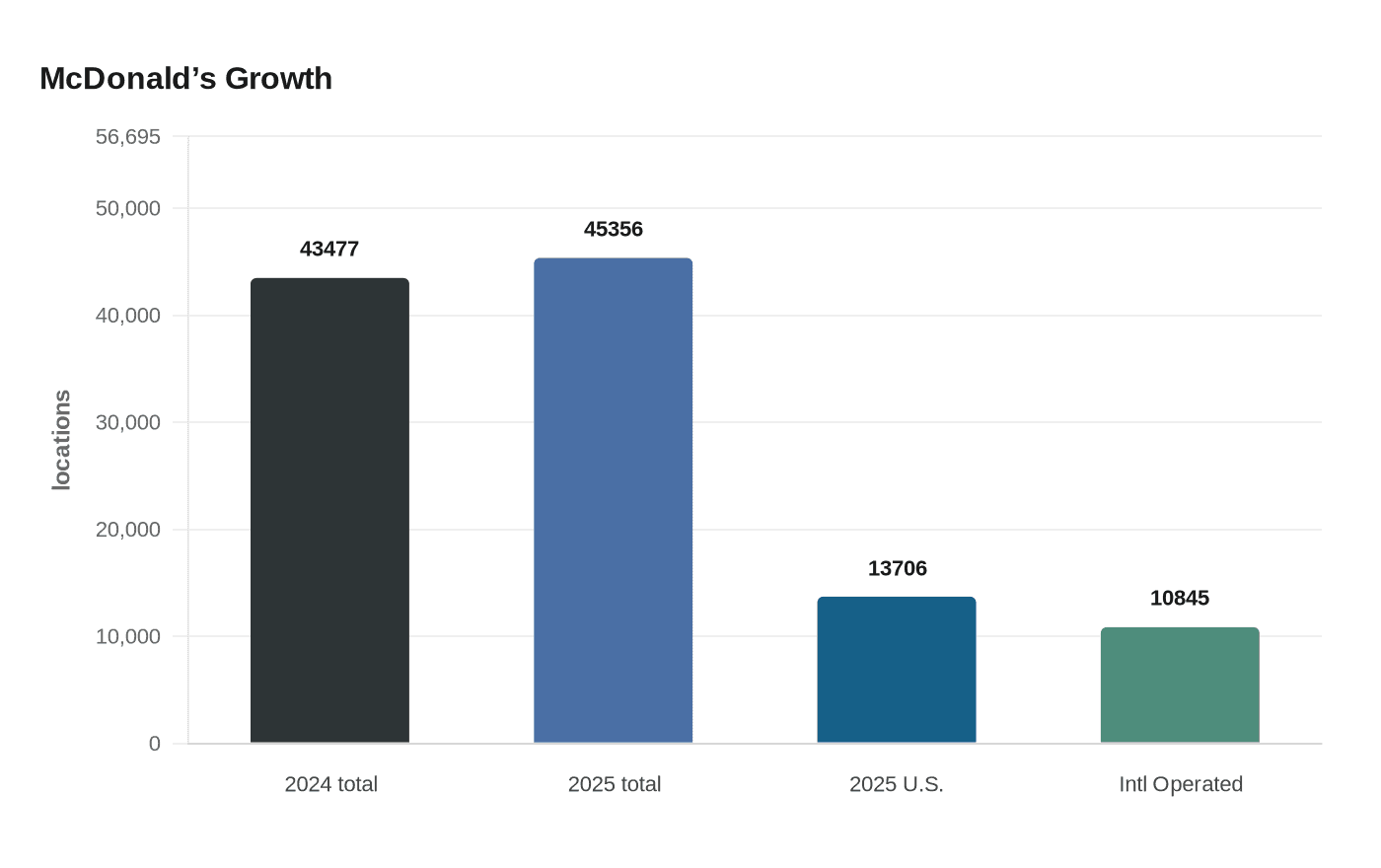
McDonald’s is adding restaurants fast enough that the bigger story is no longer just sales. The chain ended 2025 with 45,356 locations worldwide, up from 43,477 a year earlier, and it is now aiming for about 50,000 restaurants by 2027. For crews, shift leaders and franchise operators, that kind of expansion usually means more openings, more training, more hiring and more chances to move up, but also more pressure to keep service and labor coverage consistent across a bigger system.
The company said it opened 2,275 restaurants globally in 2025 and plans about 2,600 gross openings in 2026. Its U.S. count rose to 13,706 from 13,557, while International Operated Markets reached 10,845 and International Developmental Licensed markets reached 20,805. That added up to a net gain of 1,879 restaurants year over year, a pace that puts McDonald’s back in the kind of territory expansion mode that once defined the brand under Ray Kroc and is now tied to a much more complex global operating model.
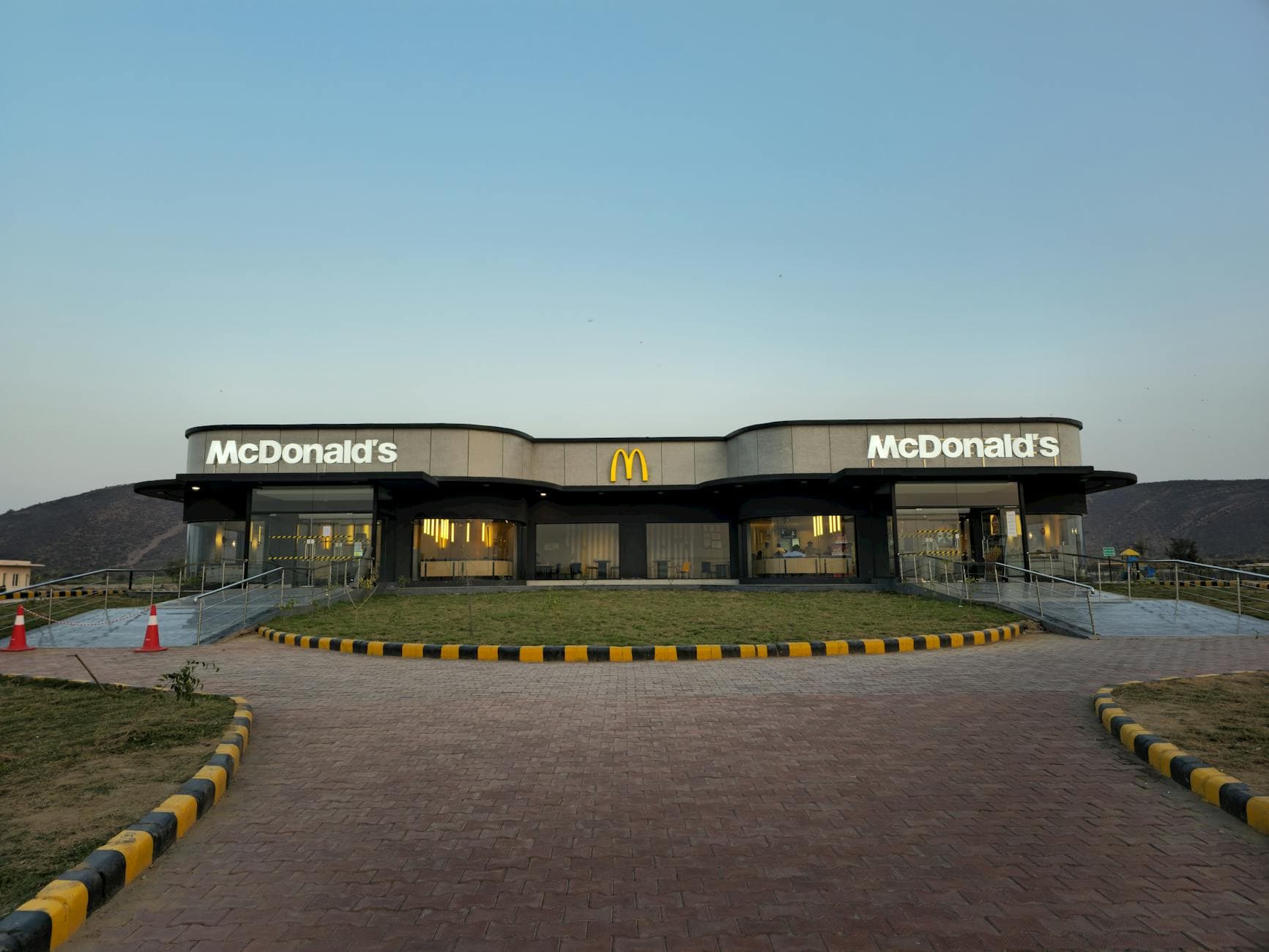
That matters inside the restaurants because every new unit creates a chain reaction. Openings need trainers who can get new crews through daypart routines, opening and closing procedures, drive-thru flow and food safety without slowing service. They also create demand for assistant managers and general managers, while pulling experienced people out of nearby stores that may already be short on labor. In a system this large, growth can become a promotion engine for strong operators, but it can also widen the gap between well-run stores and those still trying to stabilize staffing.
McDonald’s has been presenting that expansion alongside its value push. On Feb. 11, 2026, Chairman and CEO Chris Kempczinski said, “McDonald’s value leadership is working,” as the company reported 8% global systemwide sales growth for 2025 and said it had improved traffic and value-and-affordability scores. The annual report also said the year was shaped by persistent inflationary pressures, tighter labor markets, evolving trade dynamics, geopolitical tensions and broader economic uncertainty. That combination helps explain why the company is talking about value and growth together: when lower-income customers are under pressure, McDonald’s is leaning on price, traffic and a larger footprint to keep the machine moving.
This article was produced by Prism’s automated news system from verified source data, official records, and press releases, then run through automated quality and moderation checks before publishing. The system is built and supervised by the people who set the standards it runs under. Read our full AI policy.
Did this article answer your question?