OSHA highlights restaurant safety risks for young McDonald's workers
Young McDonald’s crews face the steepest risk in the first year on the job, and OSHA says the everyday dangers are wet floors, hot kitchens, and rushed shifts.
Why this matters on a McDonald’s floor
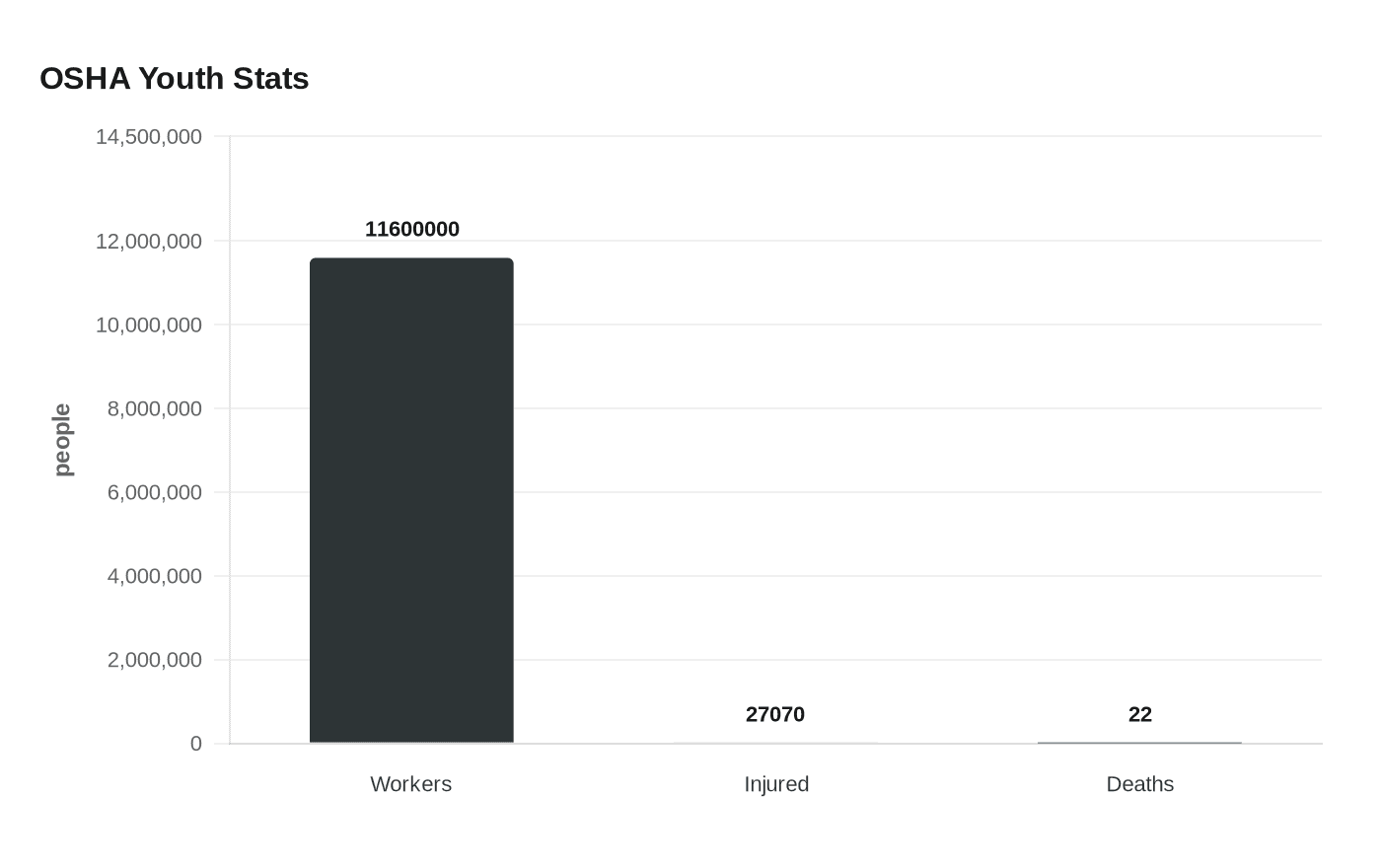
At McDonald’s, the newest person on the crew is often the youngest, and OSHA says that is exactly where the risk stacks up. Restaurants and other eating and drinking businesses employ 11.6 million people in the United States, and nearly 30% of those workers are under 20, which means a huge share of the industry is learning the job in real time.
That matters because OSHA says young workers suffer a disproportionate share of injuries and fatalities, especially in the first year on the job. The service industry also ranks highest among U.S. industries for injury among workers ages 16 to 19, a warning sign for any restaurant built on constant motion, tight staffing, and a steady stream of new hires.
What OSHA wants new hires and managers to understand
OSHA’s Young Worker Safety in Restaurants eTool is built around the idea that safety is not a poster on the wall, it is a repeatable system. The tool covers the spaces McDonald’s crews know best: cleaning, cooking, delivery, drive-thru, food prep, and general serving. That makes it especially relevant for a McDonald’s shift, where one person may bounce from the fryer to the front counter to the dining room without much warning.
The agency’s restaurant pages point to the hazards that show up in those transitions: electrical hazards, fire hazards, slips, trips, and falls. OSHA also says young and inexperienced workers are especially at risk, which is why a crew member’s first weeks can be as dangerous as any busy lunch rush if the training is thin or the pace is too aggressive.
The scale of the problem is not abstract. OSHA cites 2017 data showing 22 youths under 18 died from work-related injuries and another 27,070 were sickened or injured. That is the kind of number that should change how a shift manager thinks about a teenager mopping a floor, stocking the line, or closing a store at night.
The hazards McDonald’s crews run into most often
The most common McDonald’s risks are the ones that feel ordinary until somebody gets hurt. Wet floors can turn a quick move behind the counter into a fall, especially when a spill is left for later or a mop bucket becomes part of the traffic pattern. OSHA’s emphasis on slips, trips, and falls fits the reality of a restaurant where drink stations, ice machines, and back-of-house cleanup can create hazards in seconds.
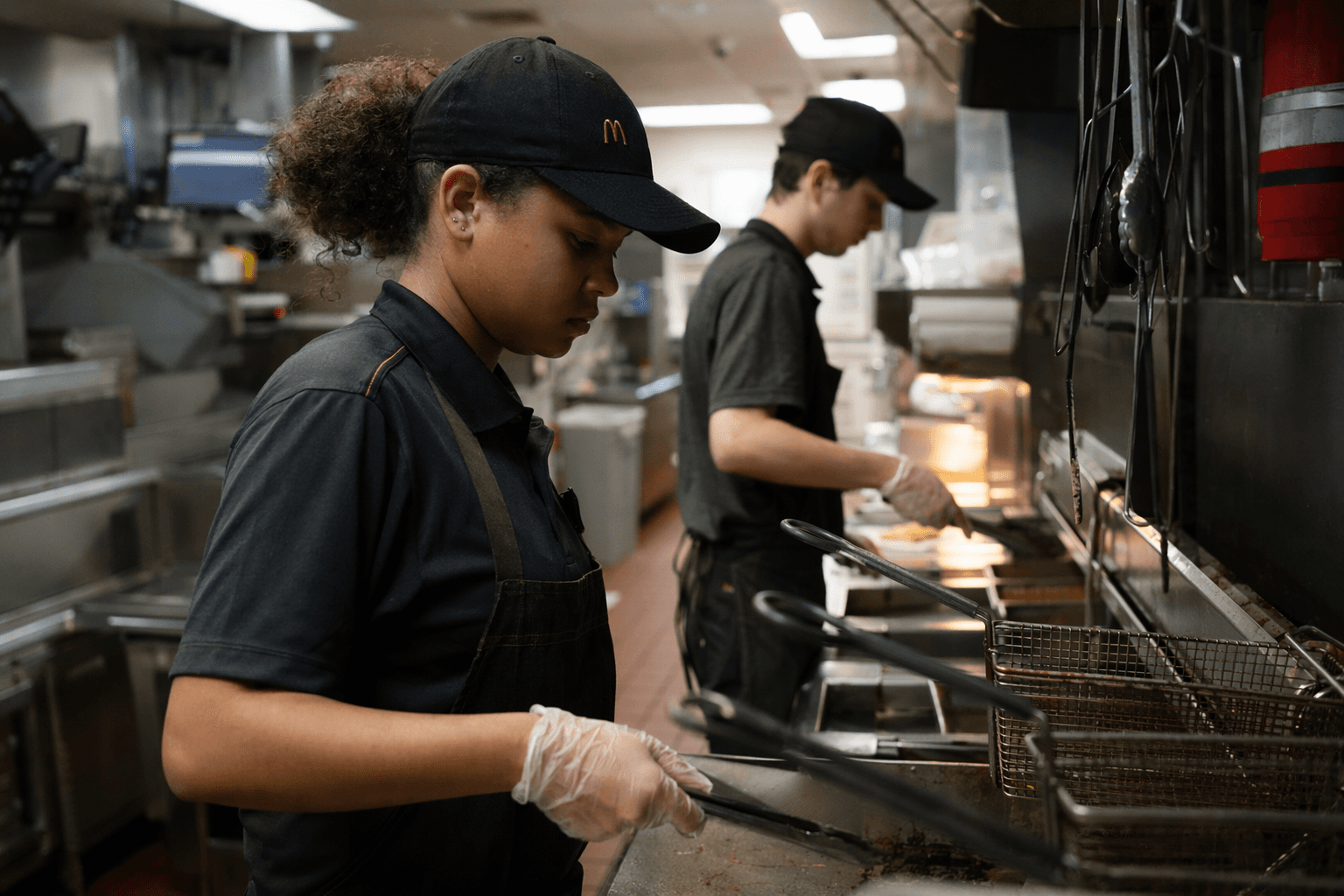
Cooking areas bring a different kind of danger. Fryers, hot surfaces, and grease are part of the job, and the line between routine and injury can be short when the kitchen is busy and a new worker is still learning where to stand, when to reach, and what not to touch. Food prep adds another layer: sharp tools, crowded work surfaces, and fast hand movements that demand training, not guesswork.
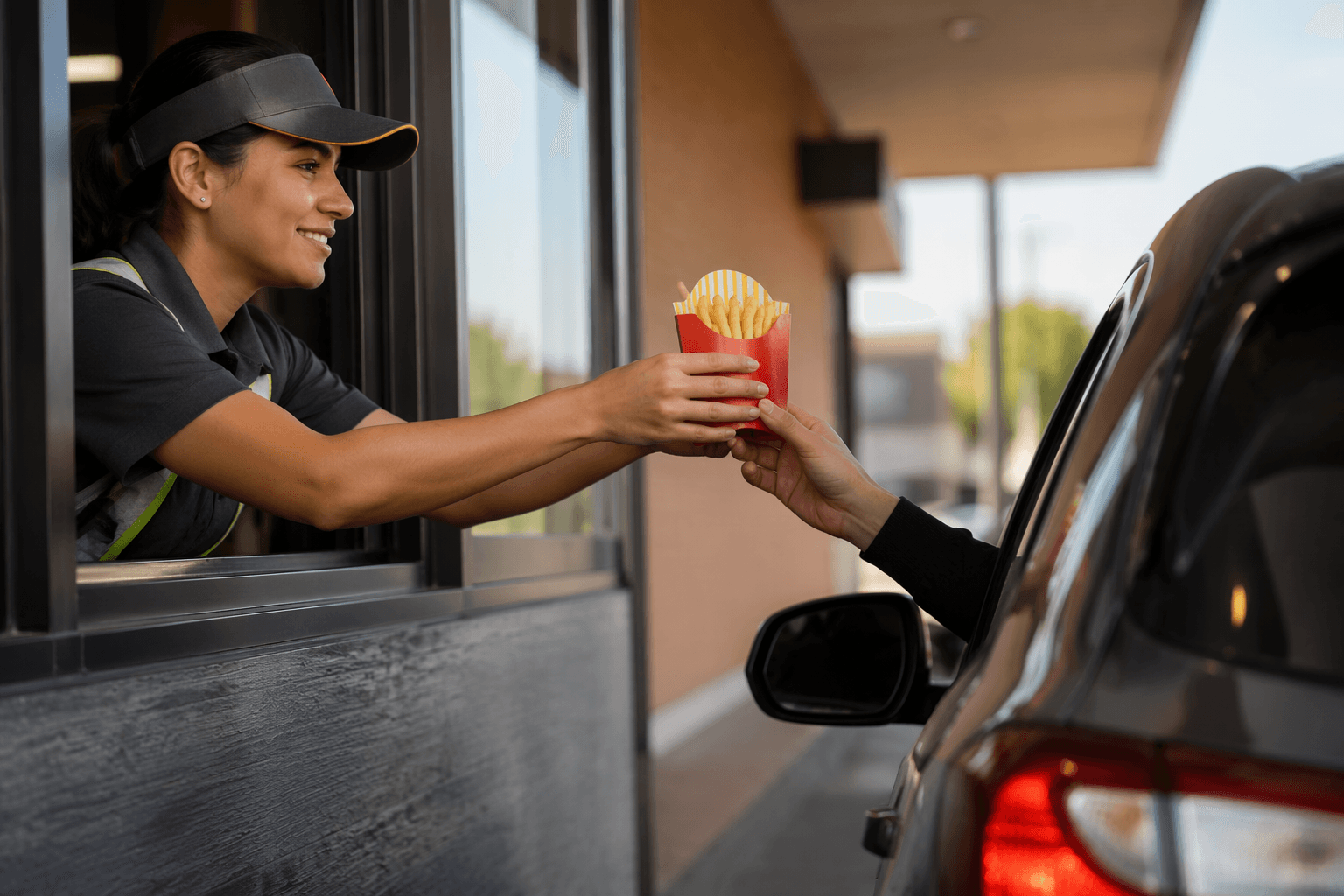
Drive-thru and delivery work can also stretch young employees beyond what they expect on day one. Cords, plugs, equipment, and outdoor walkways create electrical and trip hazards, while the constant pressure to keep orders moving can push workers to cut corners. OSHA’s focus on general hazards is a reminder that speed and safety have to be managed together, not treated as competing goals.
What the law puts on the employer
OSHA is blunt about who carries the primary responsibility: employers. The agency says workers have the right to working conditions that do not pose a risk of serious harm, and employers have the primary responsibility for protecting the safety and health of their workers. For McDonald’s crews, that means safety cannot depend on whether the most experienced person happened to be on shift that night.
OSHA also says employers must display a poster informing young workers of the protections under the Occupational Safety and Health Act. That is not a decorative requirement. It is part of the basic floor of compliance, and it matters most in workplaces where many employees are teenagers or first-time workers who may not know what they can ask for, what they can refuse, or where to go if a hazard is being ignored.
McDonald’s corporate materials say restaurant standards expect locations to focus on protecting employee health and safety and preventing workplace violence through policies, communication, training, and reporting mechanisms. That promise only becomes real when franchise managers build it into the daily rhythm of the store, from opening checks to closing cleanup to the handoff between shifts.
What better safety looks like before the rush starts
A safe McDonald’s shift is usually not about a single dramatic intervention. It is about small, repeated actions that keep a busy restaurant from turning into a preventable injury report.
- Check the floor before the rush, not after the spill.
- Make sure new workers know where the hot zones are, including the fryer area, prep line, and any equipment that gets hot enough to burn.
- Keep cords, carts, and cleaning gear out of walkways so a hurried employee does not trip on the way to a register or drive-thru window.
- Slow down the first week on a task until the worker can do it without guessing, especially for cleaning, cooking, and prep jobs.
- Use the reporting system when something feels unsafe, because a hazard that gets repeated becomes a pattern.
That kind of routine is especially important in stores where a new hire may be learning on the same shift that the restaurant is slammed. OSHA’s materials are designed to make safety teachable, which is exactly what a shift manager needs when a teenager is on their first week and the line is out the door.
Why training matters more at McDonald’s
McDonald’s franchise training materials say training can include 12 to 18 months in a restaurant and part-time self-directed training for 20 hours per week. That length of time shows how much repetition and supervision can matter in a business that depends on fast, standardized work.
For managers, the lesson is simple: training is not a single orientation session. It is the process of turning a new worker into someone who can spot a wet floor before it becomes a fall, handle kitchen heat without freezing up, and know when to slow down and ask for help. For crew members, that kind of structure is what makes the job survivable, especially in the first year when OSHA says the injury risk is highest.
The bigger picture for young workers
McDonald’s is one of the clearest examples of why restaurant safety remains a labor issue, not just a compliance issue. When a company runs on a young workforce, the gap between written standards and what happens during a slammed rush can decide whether a shift ends normally or in an injury report.
That is why worker-rights advocates keep tying restaurant safety to the broader infrastructure around it: OSHA for hazards and protections, the U.S. Bureau of Labor Statistics for the injury picture, NIOSH for prevention research, and the U.S. Department of Labor Wage and Hour Division for the separate rules that often come with young workers on the clock. At McDonald’s, the lesson before the next rush is plain: safety has to be built into the shift, or the shift will build its own risks.
This article was produced by Prism’s automated news system from verified source data, official records, and press releases, then run through automated quality and moderation checks before publishing. The system is built and supervised by the people who set the standards it runs under. Read our full AI policy.
Did this article answer your question?