McDonald's creates new digital unit as app becomes core strategy
McDonald’s split out a digital app unit, tying mobile orders and loyalty to restaurant work from the counter to the pickup shelf.
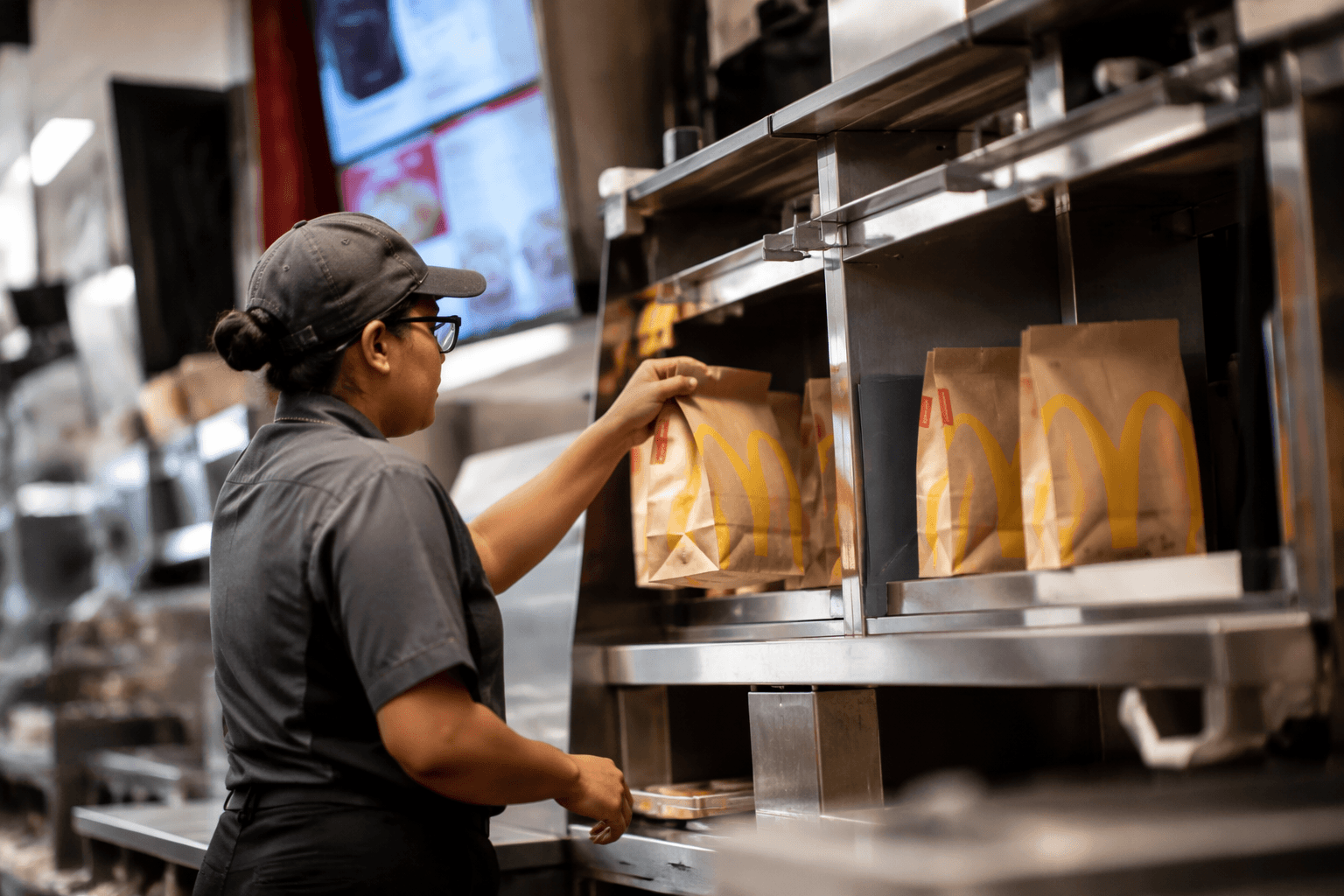
McDonald’s created a new unit in July 2021 to focus on its global digital app, then broadened the effort by bringing digital, data analytics, marketing, restaurant development and operations into one structure. For crew members, shift leaders and franchise operators, that put app orders, pickup flow and customer-facing promotions closer to the core of restaurant work.
The loyalty rollout moved quickly after that. McDonald’s expanded the program to some New York City customers on June 16, 2021, then planned to launch it across the United States in July. Loyalty mattered because it gave the chain a direct line to customer data and discounts, which can change when guests order, what they buy and how often they return. McDonald’s says it operates more than 43,000 restaurants in over 100 countries, so even small shifts in app traffic can affect stores at scale.
The company kept leaning into that model. In December 2023, McDonald’s said it planned to add about 10,000 new stores by 2027 and double loyalty-program sales. That kind of growth puts more weight on digital ordering, because every new restaurant has to handle app traffic, pickup timing and menu promotion issues alongside the normal rushes at the front counter and drive-thru. In practice, that means a mobile deal can hit a kitchen already working through breakfast changeover, lunch prep or a lobby full of pickup customers waiting for orders called out by name.
The risks showed up plainly on March 15, 2024, when a global technology outage disrupted McDonald’s operations in Japan, Hong Kong and Australia. Some restaurants could not accept digital payments or receive orders from apps and kiosks, and some openings were delayed. That is the other side of centralizing digital: when the system goes down, the problem is not just a tech issue in corporate offices, it becomes a labor issue on the floor, where employees have to explain delays, reroute orders and keep the line moving.
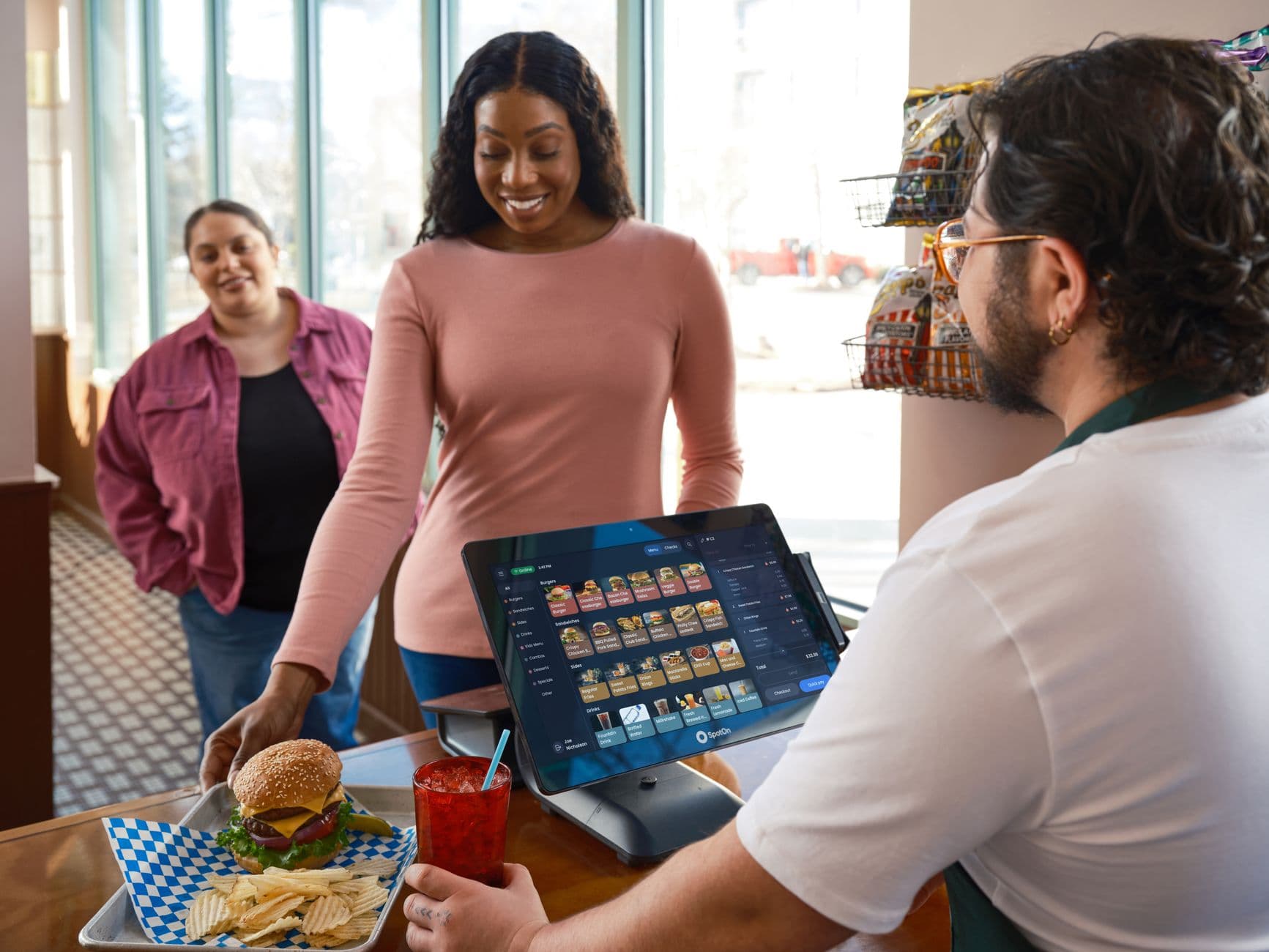
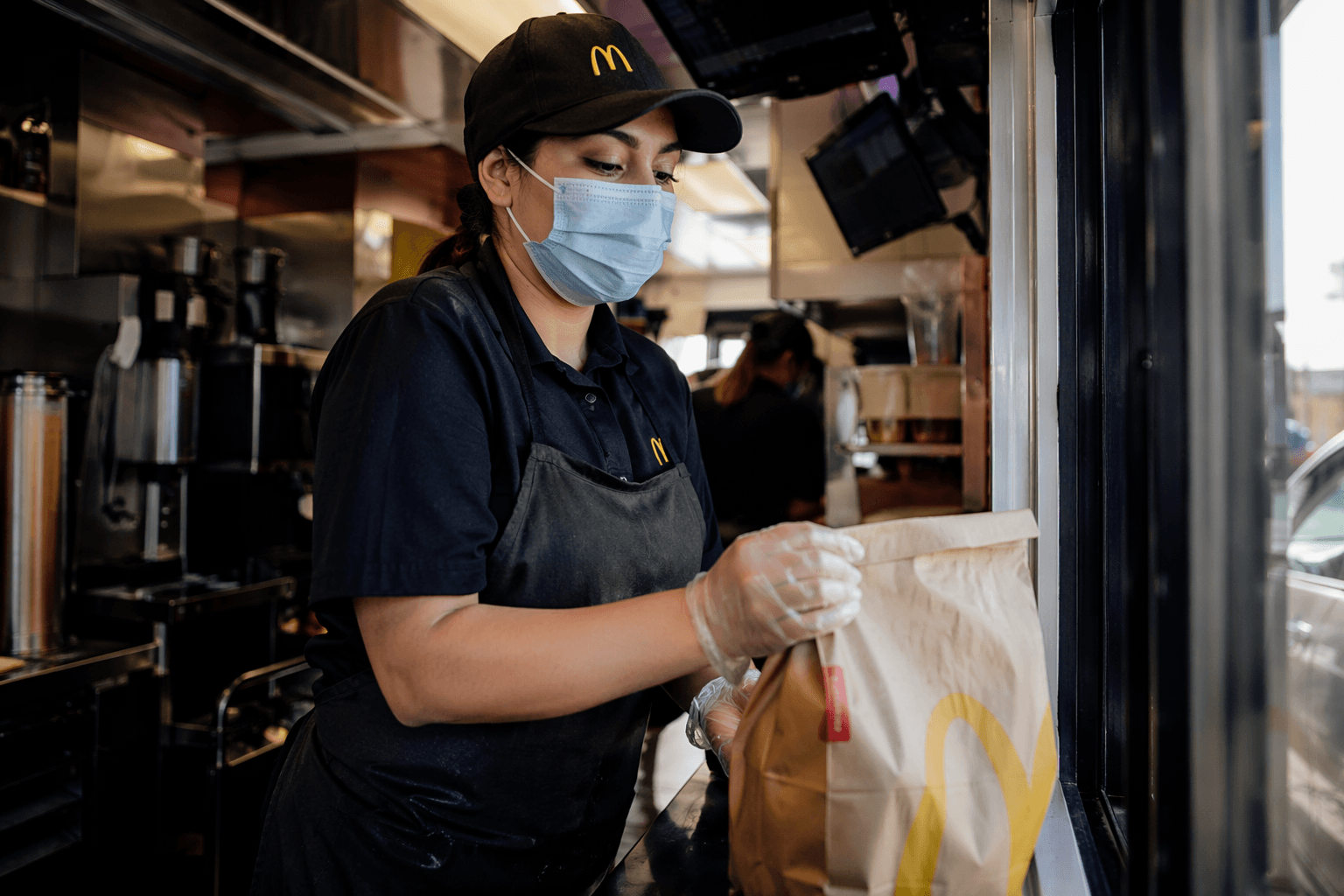
For workers inside the restaurant, the app is no longer a side channel. It shapes order mix, pacing, pickup congestion and complaint handling, while managers and franchise operators have to decide whether the added digital volume is worth the extra coordination. McDonald’s built the app into its strategy, and that made mobile ordering part of the daily job at a chain that still depends on crews to make the system work.
This article was produced by Prism’s automated news system from verified source data, official records, and press releases, then run through automated quality and moderation checks before publishing. The system is built and supervised by the people who set the standards it runs under. Read our full AI policy.
Did this article answer your question?