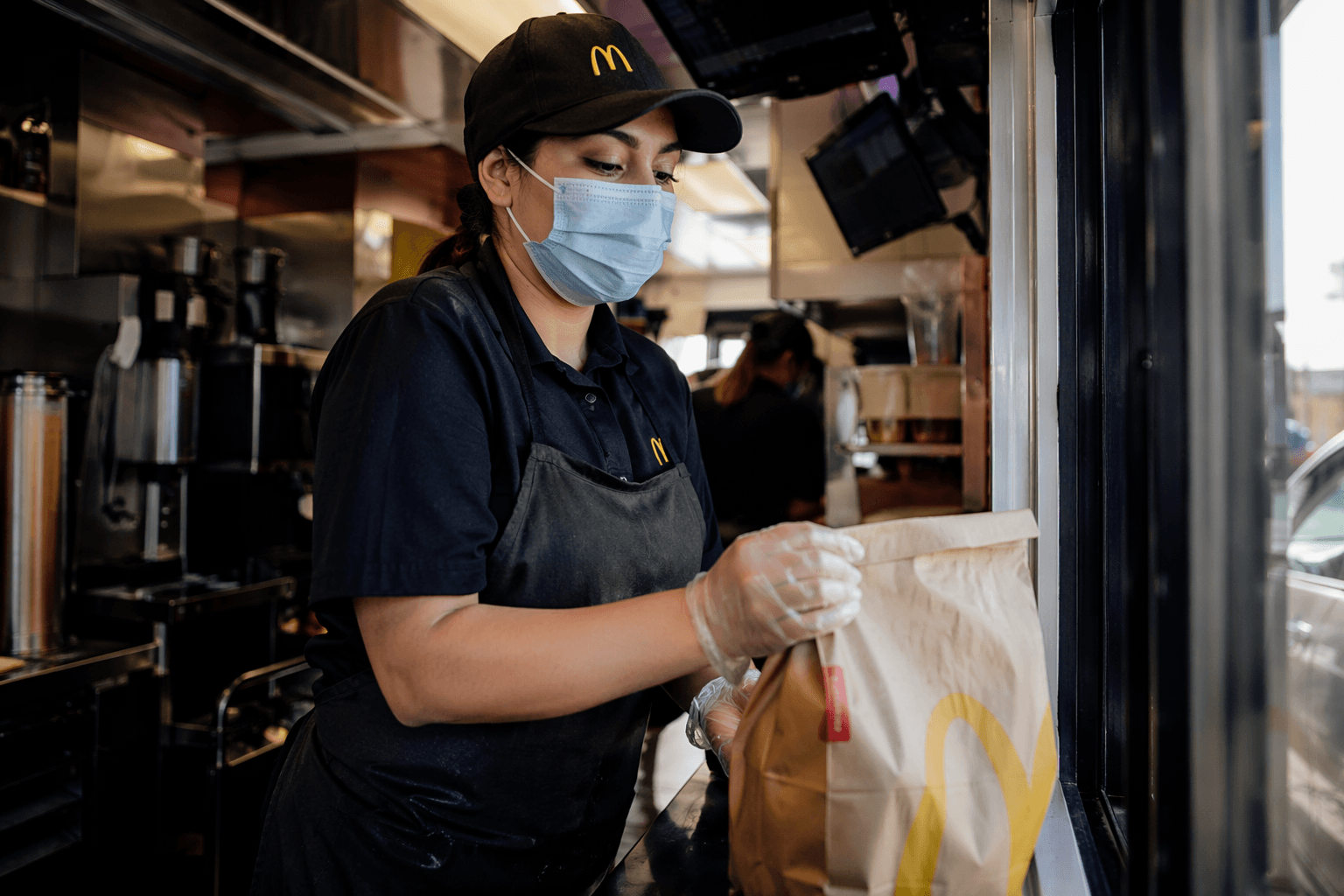
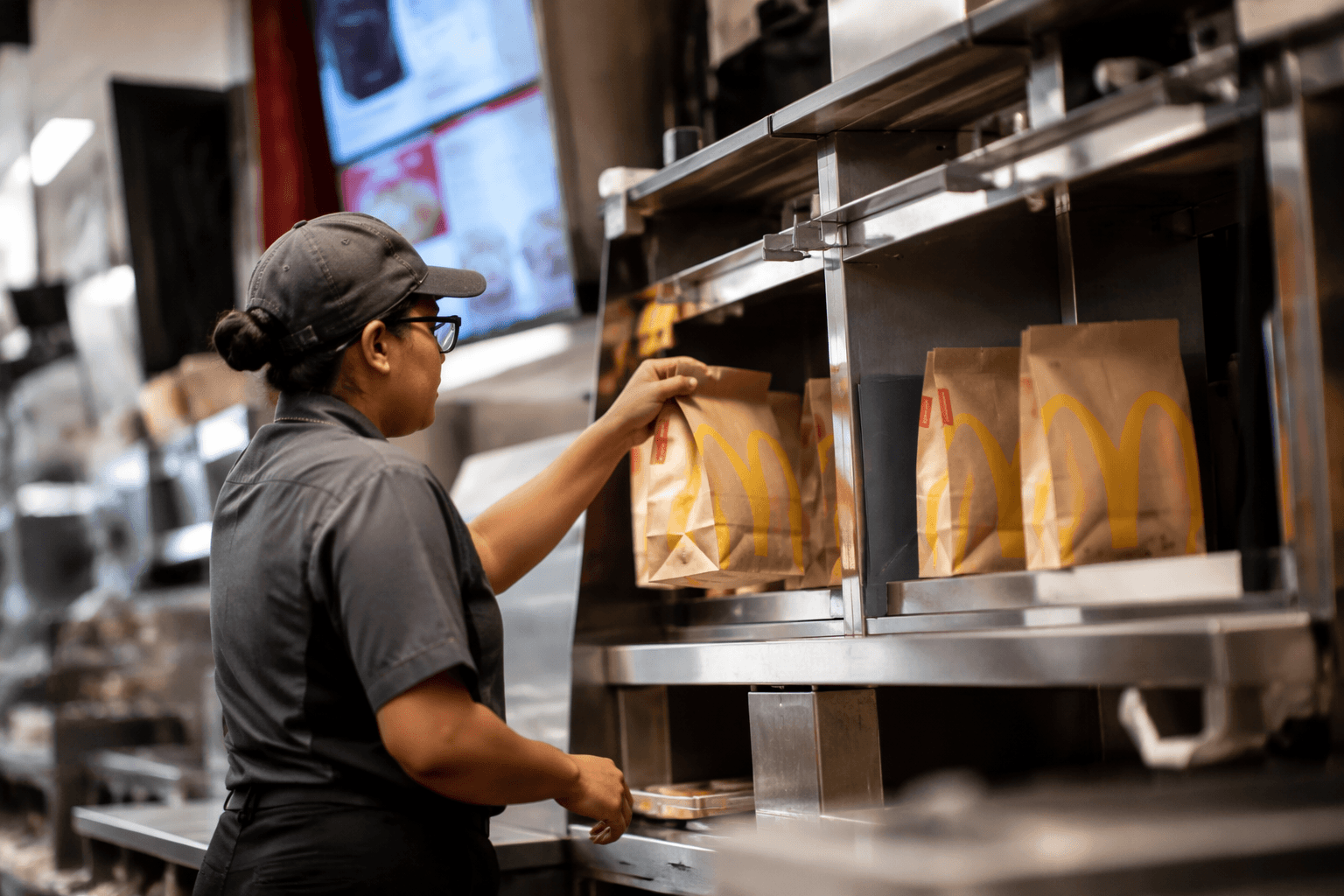
McDonald’s restaurants raise pay to attract workers in tight labor market
McDonald’s lifted pay at 650 company-owned U.S. stores, with crew starting at $11 to $17 and shift managers at $15 to $20 as it tried to hire 10,000 workers.
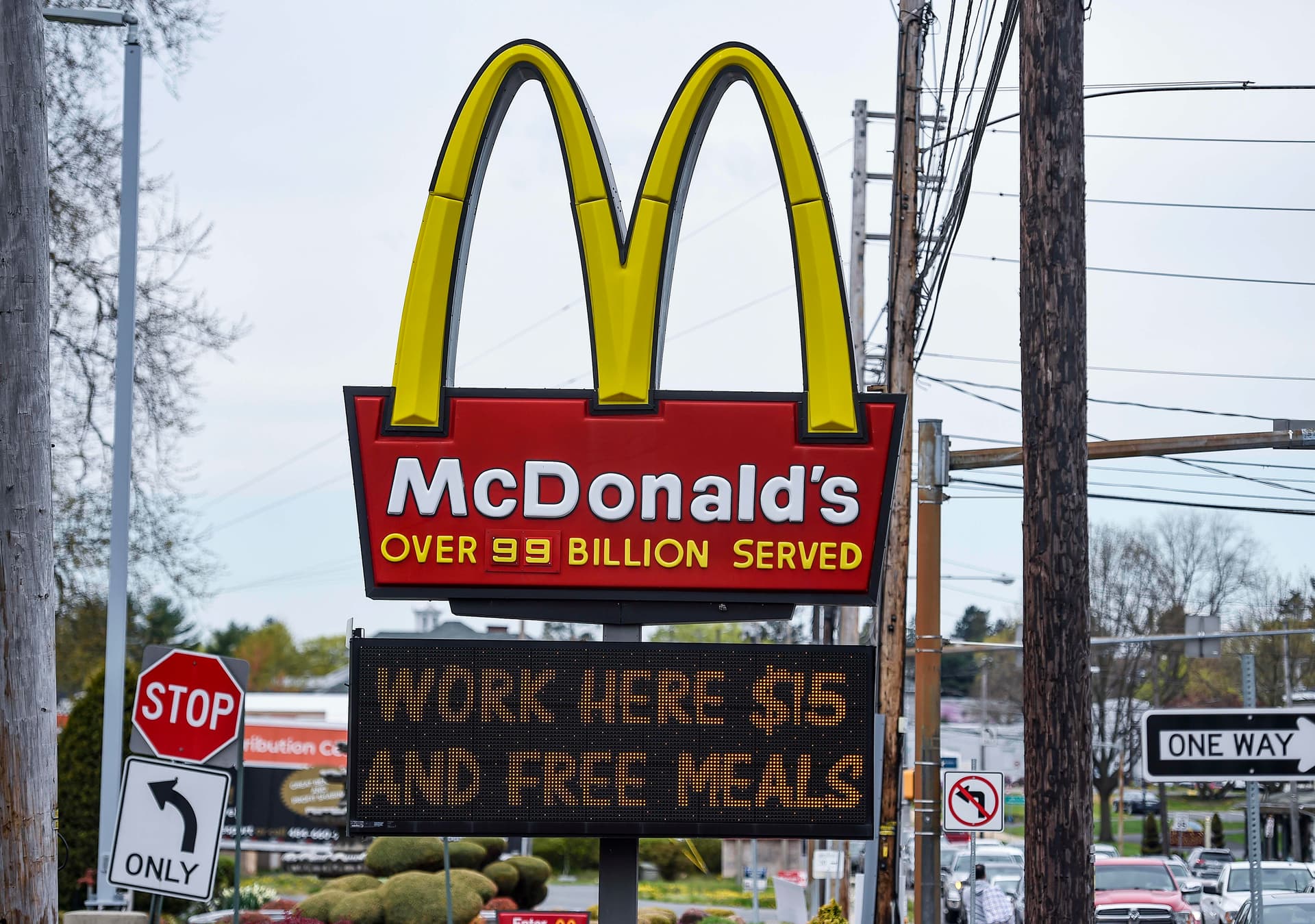
McDonald’s raised wages at about 650 U.S. company-owned restaurants to pull in workers, setting a new floor of $11 to $17 an hour for entry-level crew and $15 to $20 for shift managers. The move was aimed squarely at stores that were struggling to staff shifts in a tight labor market, where the brand’s promise of steady work had to compete with higher pay offers nearby.
The company said hourly wages at its company-owned U.S. restaurants would rise by an average of 10% and reach an average of $15 an hour by 2024. It was also trying to hire 10,000 workers for those locations over the next three months, a sign that the problem was not abstract strategy but a day-to-day shortage of people to cover grills, drive-thru windows, dining rooms, and closing shifts.
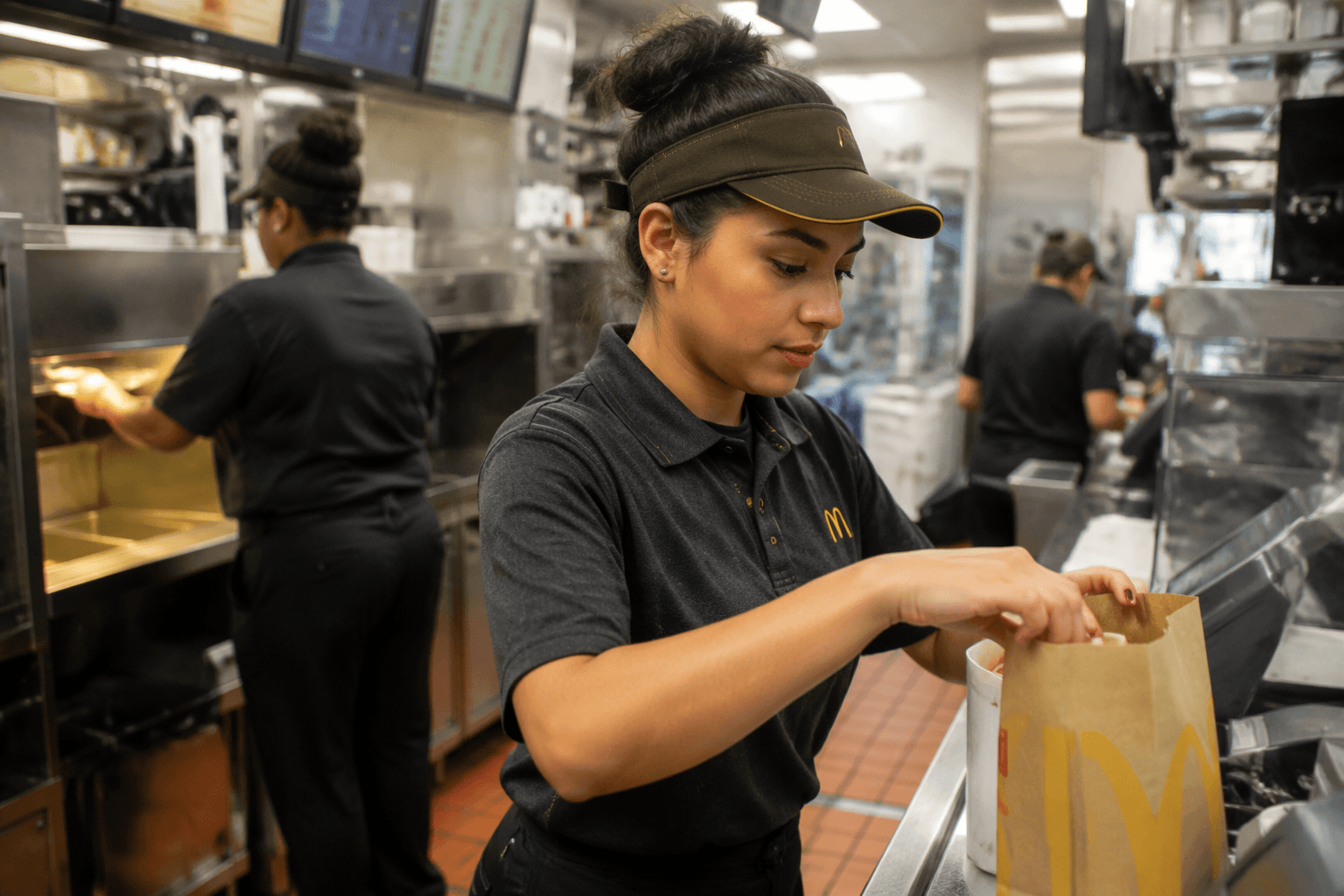
For workers, the credibility test is simple: who actually gets the raise. About 95% of McDonald’s U.S. restaurants are franchised, so the change applied directly only to a small slice of the brand’s footprint. Franchise owners make their own staffing and compensation decisions, even though McDonald’s encouraged them to consider similar pay increases. That leaves room for a widening gap between company-owned stores that move first on wages and franchise restaurants that may keep lower starting pay, use bonuses, or lean on scheduling flexibility instead.
Inside the restaurant, the increase mattered most for the jobs that are hardest to keep filled. A higher starting rate can bring in new crew members, but it does not solve every problem on the floor. Managers still have to keep people from walking after a few busy weeks, train them fast enough to handle rushes, and decide whether the extra pay is enough to hold a shift leader who can find similar money elsewhere with less pressure.
The wage move also fit a wider pattern in the restaurant industry during the 2021 recovery. Other chains were lifting wages and benefits as they tried to reopen at full capacity and attract workers back, and McDonald’s was one of the biggest brands forced to show how much of a labor shortage could be solved with pay alone.
This article was produced by Prism’s automated news system from verified source data, official records, and press releases, then run through automated quality and moderation checks before publishing. The system is built and supervised by the people who set the standards it runs under. Read our full AI policy.
Did this article answer your question?