McDonald's crews face labor pinch as restaurants lose employer-of-choice status
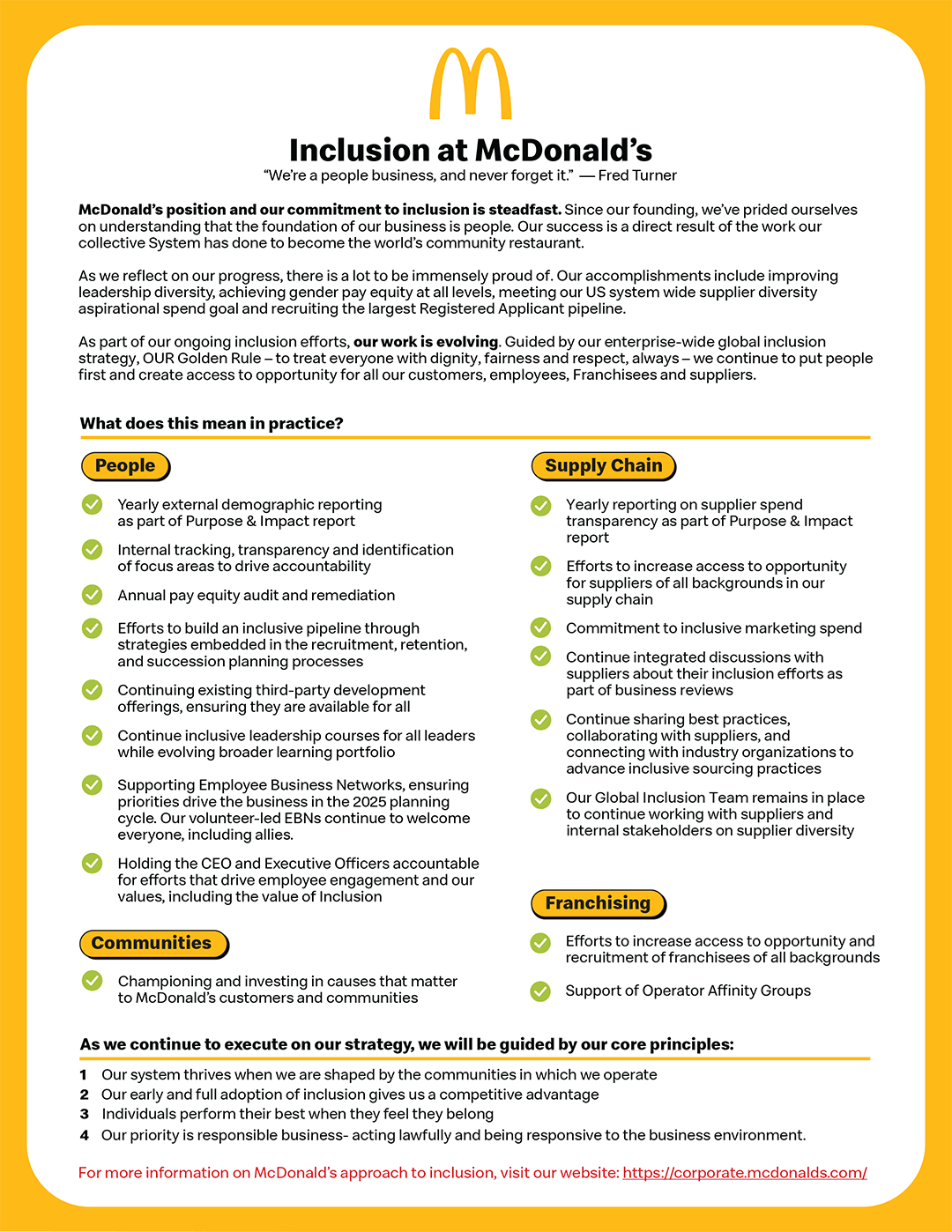
At the National Restaurant Association Show, Audrey Benet said restaurants no longer win younger workers by default, squeezing McDonald’s crews and shift managers.
At the National Restaurant Association Show on May 21, restaurant educator Audrey Benet said the industry had lost a status it once took for granted: being an employer of choice. Her point was not nostalgic. It was a blunt read on a labor market reshaped by the gig economy, population declines and immigration policy pressures, all of which have made restaurant jobs harder to fill and harder to keep.
Benet said she was seeing a workforce pinch among younger workers that she had not seen since the 1970s, and she tied that strain directly to turnover, morale and sales. For McDonald’s, where crew members and shift managers live with the consequences of every open position and no-show, that warning lands close to home. A restaurant cannot run on brand power alone if the people who make the fries, ring the register and cover the dinner rush no longer see the job as worth staying for.
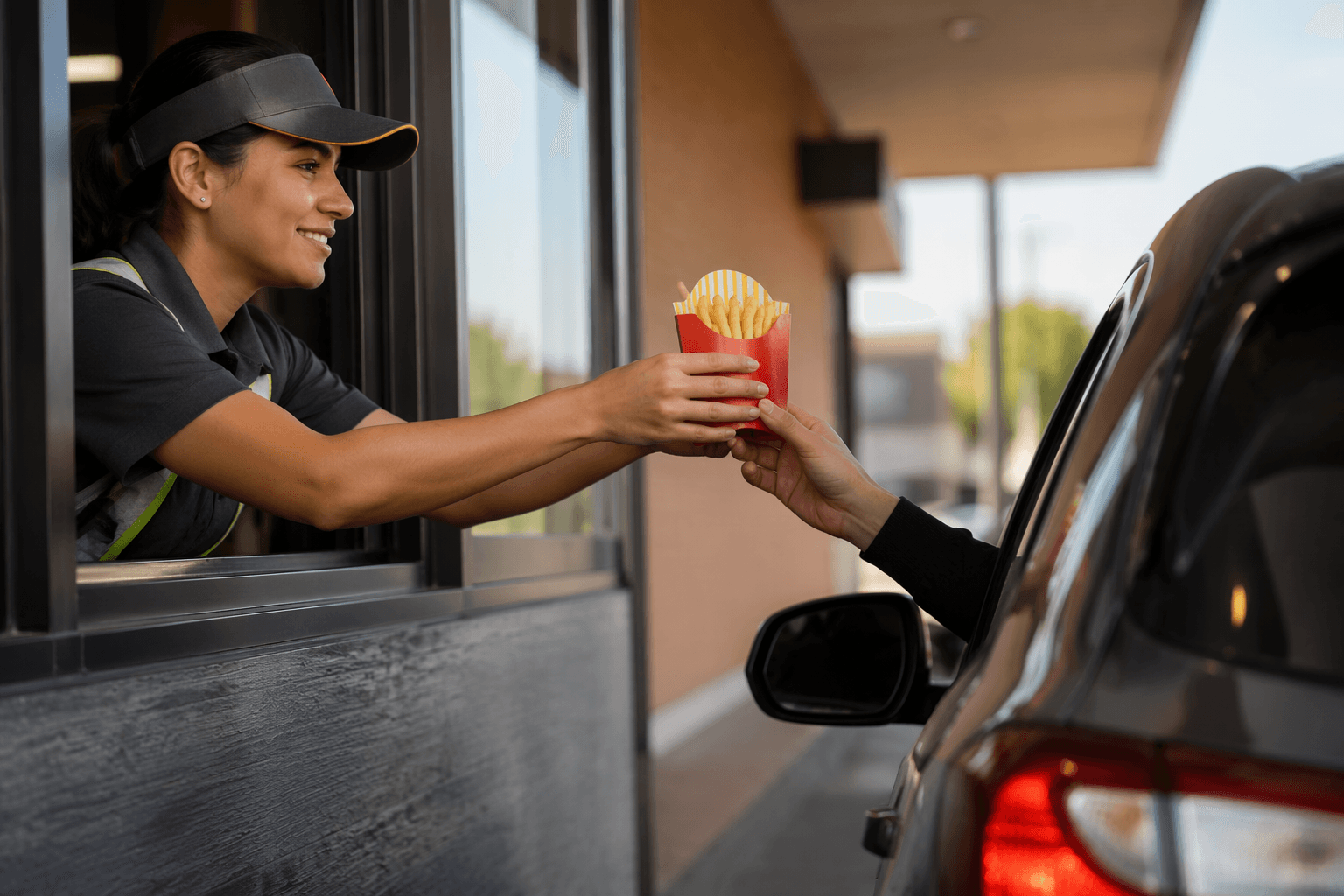
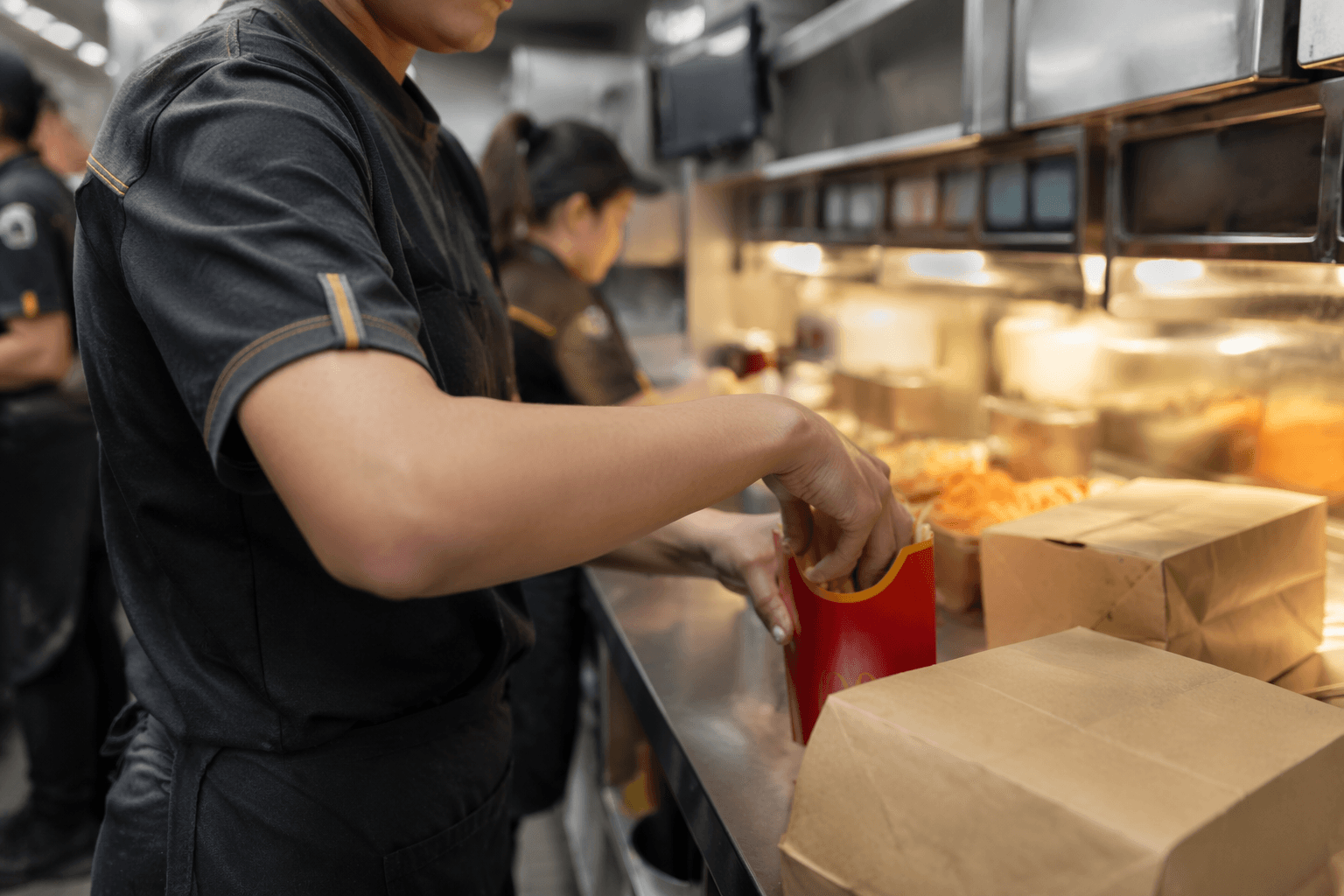
The pressure shows up quickly in the store. Thin shifts mean longer waits for customers, more cross-training for crew and more stress on managers trying to piece together a schedule. In a system built on speed and consistency, one missing worker can ripple through the whole daypart. That is why Benet’s message matters beyond restaurant theory: labor scarcity is now part of the operating model, not just a human resources headache.
Her advice was to build culture intentionally instead of hoping workers will tolerate a hard job simply because it exists. She urged operators to think more personally and more deliberately about employees, in the same way good hospitality teams think about guests. For McDonald’s, that means clearer coaching on the floor, better scheduling that gives people some predictability, visible recognition for work that often goes unnoticed, and managers who know what keeps people in the job beyond the paycheck.
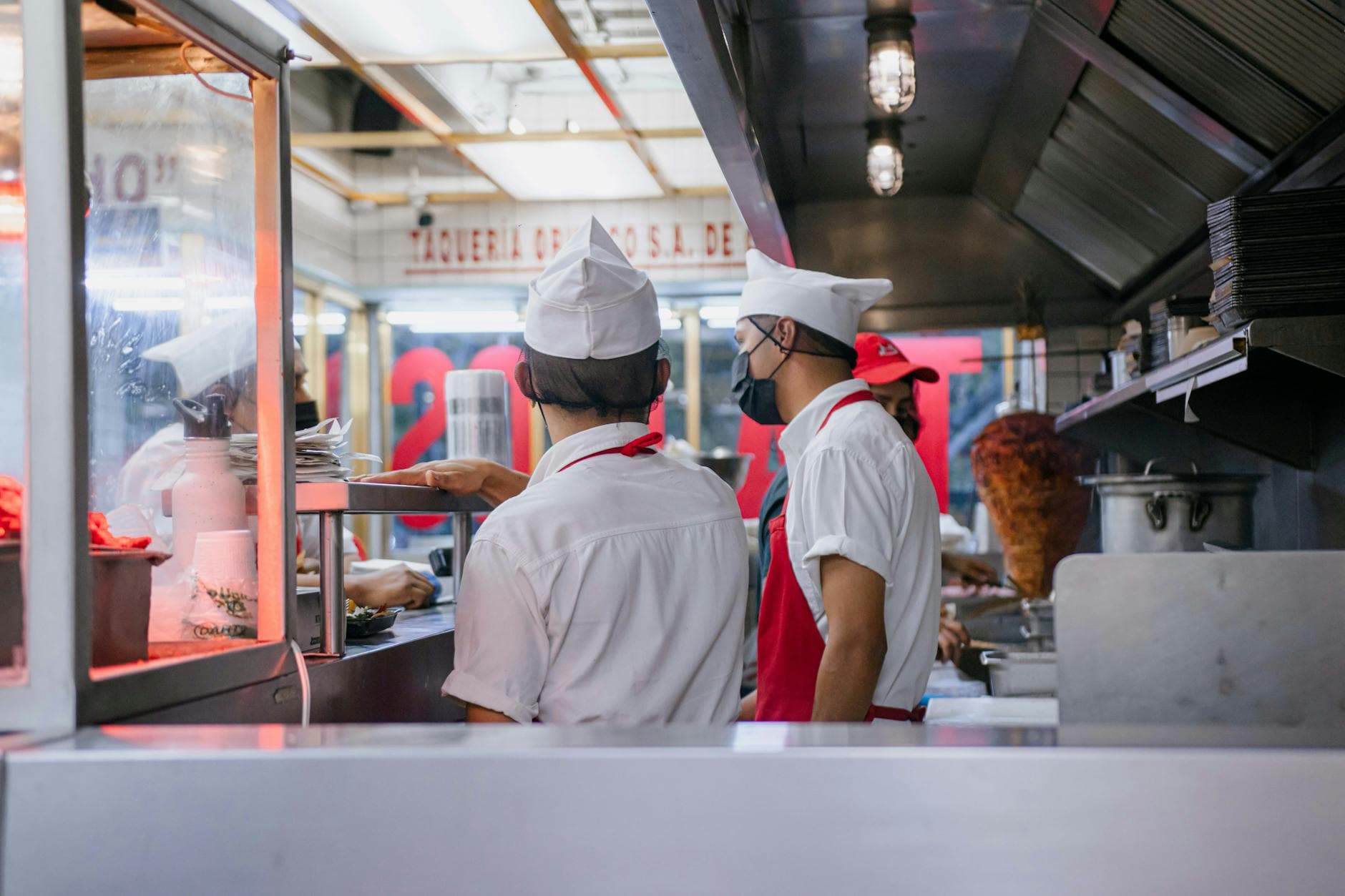
That is the culture test inside a McDonald’s restaurant now. If McDonald’s wants to keep growing, it has to compete for talent as hard as it competes for customers. The winner will not be the chain with the loudest slogan. It will be the one that makes crew members and shift managers believe the job is stable, respected and worth staying in.
This article was produced by Prism’s automated news system from verified source data, official records, and press releases, then run through automated quality and moderation checks before publishing. The system is built and supervised by the people who set the standards it runs under. Read our full AI policy.
Did this article answer your question?