McDonald’s crews face protein, beverage trends from Chicago restaurant show
Chicago’s restaurant show pointed to a busier McDonald’s line: more protein, bolder drinks, and extra prep can slow service if crews are not resourced.

Chicago showed where the pressure is building
The National Restaurant Association Show in Chicago offered a simple but revealing message for McDonald’s crews: the menu is moving toward items that sound exciting on a board and feel harder on the line. The show ran May 16 to 19 at McCormick Place and featured about 2,200 exhibits, with a heavy mix of kitchen equipment, sustainable packaging, plant-based foods, beverages, and cutting-edge technology.
One of the clearest signals was the spread of protein-heavy ideas, including duck bacon turning up at multiple booths as operators hunted for new breakfast sandwich and limited-time-item applications. That is not a McDonald’s product, but it captures the direction of travel. Restaurants still want novelty and premium cues, and that usually means more steps for the people assembling food during the rush.
Why novelty turns into work behind the counter
A more complex menu is not just a marketing problem. It changes the rhythm of service in ways crews feel immediately: extra prep steps, more station cross-training, longer ticket times, and more chances for a missed build when the lunch line stacks up. A protein-forward item can add cooking steps and timing pressure; a new sauce or topping can mean one more thing to portion, restock, and remember under stress.
Beverages can be even more disruptive because they touch several parts of the restaurant at once. More cup handling, more ice, more customizations, more guest questions, and more training on sequence and accuracy all land on the same shift. If a restaurant is already stretched, a drink program that looks easy on paper can become the thing that slows the whole front end.
That is why the show’s focus on automation and AI matters to workers, not just executives. The industry wants innovation without adding labor burden, but a machine only helps if it is reliable, maintained, and matched to a workflow that real people can actually run at speed. For crew members, the promise is less manual grind; the risk is that technology gets layered onto an already crowded station without enough support.
McDonald’s is already testing how much complexity the system can handle
McDonald’s has been signaling for years that the drive-thru remains the core battlefield. The company says it has been “setting the standard for Drive Thrus for more than 45 years,” and its corporate materials say about two-thirds of its restaurants worldwide have drive-thrus, or roughly 25,000 locations. McDonald’s also says physical changes such as adding lanes can increase capacity and improve speed and efficiency, which is corporate language for the same basic problem crews live every day: more throughput only works if the line can execute cleanly.
That is also why beverage innovation has moved closer to the center of the company’s strategy. McDonald’s launched CosMc’s, a beverage-led, small-format concept, in December 2023 to learn what customers want from bolder drinks and treats. In May 2025, the company said CosMc’s-inspired beverages would reach hundreds of U.S. restaurants in a test, then said in July 2025 that the test would expand to more than 500 select U.S. restaurants later that summer.
The company’s description of CosMc’s as powered by a menu of bold, refreshing beverages and tasty treats sounds simple enough. On the ground, though, every new drink format raises questions about where it lives in the workflow, who builds it, and how much extra training it takes before it stops being a bottleneck. That is especially true in a system as standardized as McDonald’s, where one complicated drink can ripple from the front counter to the drive-thru headset to the make line.
The labor reality underneath the menu story
The pressure is sharper because McDonald’s is trying to grow while still selling speed, familiarity, and value. In 2025, the company said systemwide sales rose 7% and comparable sales rose 3.1% globally, and it marked 49 consecutive years of dividend increases. Those numbers matter to investors, but they also explain why the company keeps pushing the system to do more without slowing down.
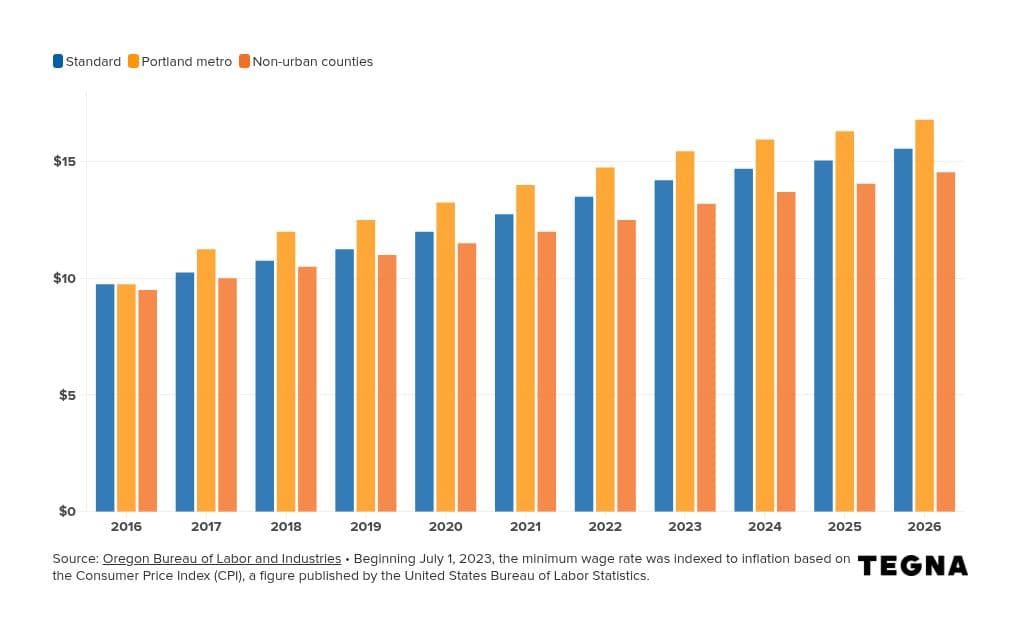
For crews, the bigger question is whether the company is willing to simplify the work as aggressively as it expands the menu. Years of labor pressure from Fight for $15 and minimum wage legislation changed the economics of quick service. Restaurants cannot assume they can just hire their way out of every new build, especially when labor markets are tighter and franchise margins are under strain.
That is where the tension between corporate ambition and franchise reality comes into focus. McDonald’s can create dedicated category teams for beef, chicken, and beverages, as it says it did in its 2025 annual report, but the added specialization still lands on local restaurants. If drinks become a growth engine, franchisees and store managers will be the ones deciding whether the line can absorb the extra steps without burning out crews or stretching ticket times past the point where customers notice.
What crews should watch next
The National Restaurant Association Show is useful because it shows where the industry is trying to go before the changes fully hit the stores. In McDonald’s terms, that means watching whether the next wave of innovation comes with real operational relief or just more work in a different shape.
The best-case version is straightforward: smarter equipment, clearer builds, better station design, and training that helps new crew members get productive faster. The worst-case version is familiar too: a menu that keeps getting more ambitious while the people making it are asked to move faster, learn more stations, and absorb every delay at the peak of the rush. For McDonald’s, the real test is not whether the new trend looks good in Chicago. It is whether a crew in a crowded store can execute it cleanly at 12:15 p.m. without the whole line backing up.
This article was produced by Prism’s automated news system from verified source data, official records, and press releases, then run through automated quality and moderation checks before publishing. The system is built and supervised by the people who set the standards it runs under. Read our full AI policy.
Did this article answer your question?