McDonald's details science-based food safety strategy and daily store habits
McDonald’s is turning food safety into a shift-by-shift job, with science-based checks, supplier audits, and hard lessons from the 2024 E. coli outbreak.
McDonald’s is pushing food safety far beyond a back-of-house checklist. The company says its system rests on three operating principles, customer obsessed, one McDonald’s way, and leadership, and that matters most when the store is busy, the line is moving, and the next order is already printing.
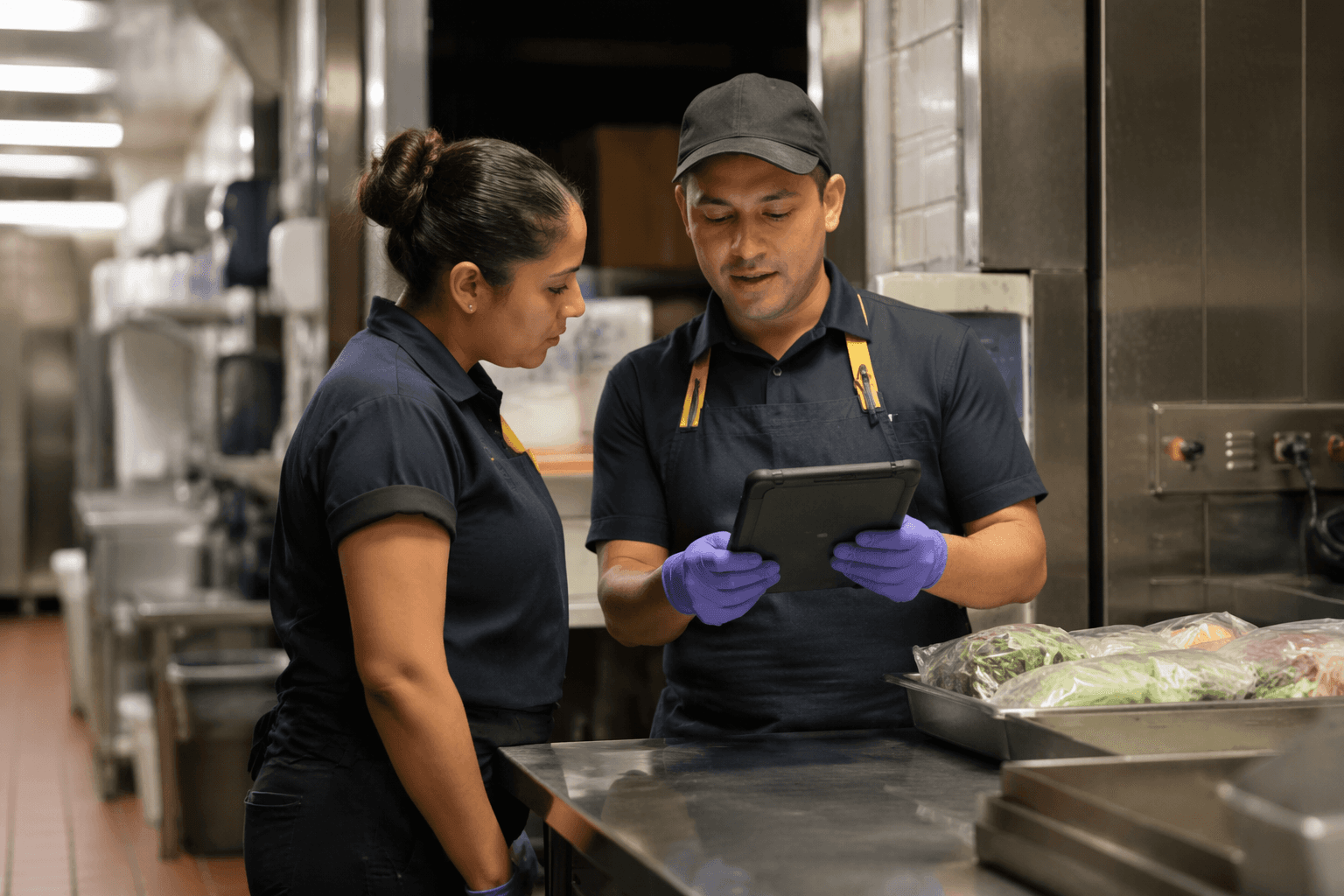
For crew members, that translates into the basics that decide whether a shift stays smooth or starts slipping: handwashing, time and temperature control, clean equipment, allergen awareness, and avoiding cross-contamination. For managers and shift leaders, it means food safety is not just about passing an audit. It is about building habits that hold up under rush periods, new menu items, and staffing pressure.
Food safety is treated like an operating system, not a side task
McDonald’s says its food safety systems and standards are based on science and validated by external third parties. That wording matters because it sets a higher bar than simply telling restaurants to “be careful.” In practice, it means the same safety expectations are supposed to travel from supplier sites to distribution centers to the front counter, so a crew member in one market is following the same core rules as a crew member somewhere else.
The company’s “one McDonald’s way” principle is the clearest signal of how it wants stores to behave. Consistency reduces confusion on the floor: if a safety rule exists, it should be reinforced every day, not only when a supervisor is standing nearby. That kind of standardization can make the job feel tighter, but it also gives crews a clearer playbook when the pace gets chaotic.
What the daily habits look like on a real shift
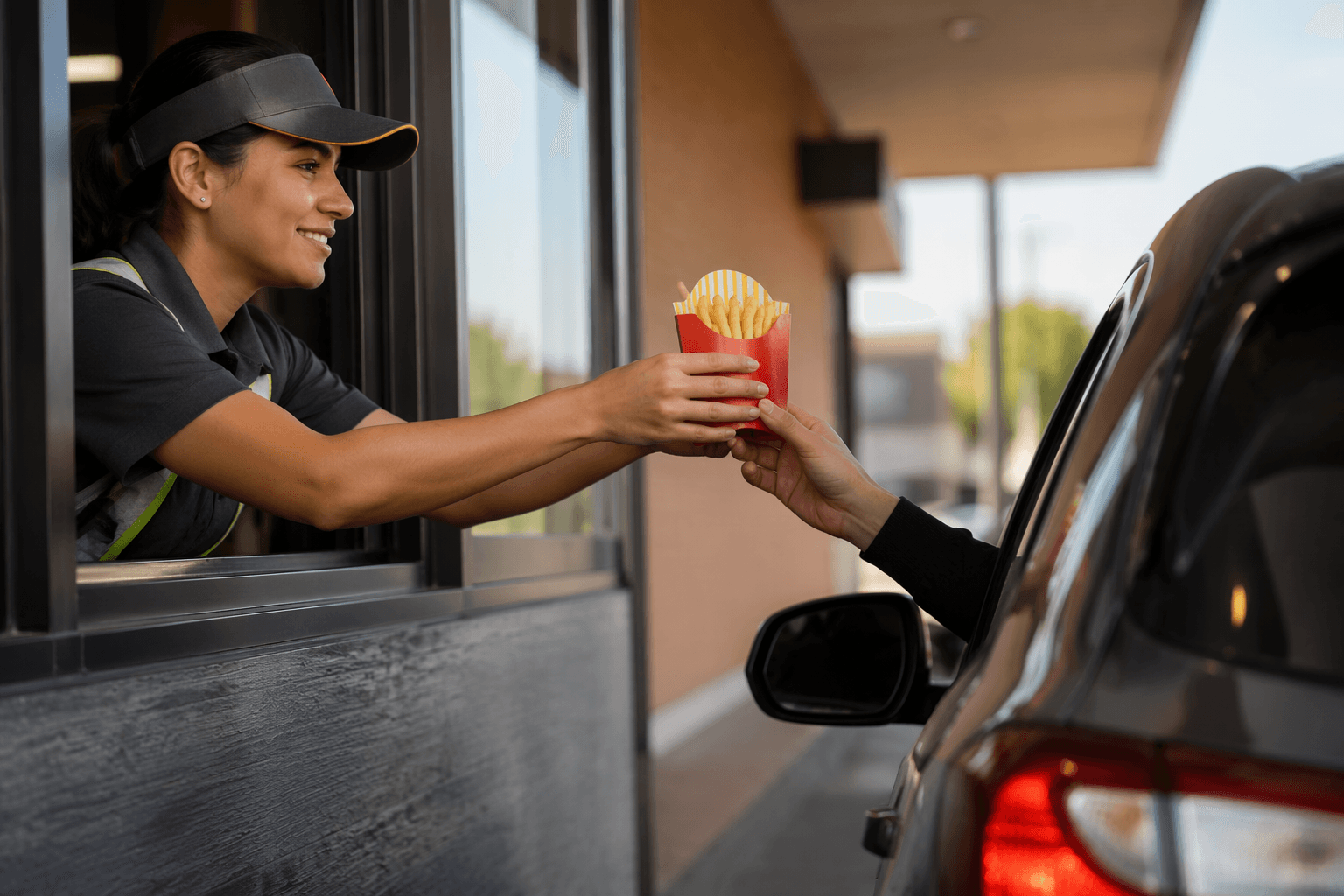
The company’s food safety page translates its strategy into ordinary store behavior. The visible work is not glamorous, but it is the work that protects the dining room and the drive-thru line: washing hands at the right times, keeping hot food hot and cold food cold, using clean tools and surfaces, and being careful with allergens. When those routines are strong, the team spends less time improvising and more time moving orders.
That is especially important for managers. A store can look fine during a quiet period and still fail under pressure if the crew has not been trained to keep standards intact when screens stack up or a new promotion changes the routine. In other words, food safety is also a labor issue: the better the habits, the less stress lands on the people trying to keep the restaurant moving.
Who holds the system together beyond the store
McDonald’s says its oversight includes an annual Food Safety Advisory Council made up of internal experts, suppliers, and external academics. That kind of council is meant to keep the company from treating food safety as a purely internal conversation. It also gives the chain a formal way to pull in outside science, supplier knowledge, and operational experience.
The company says its approach is cross-business, from farm to customer. Supplier facilities are expected to meet standards including GLOBALG.A.P., SQMS, Good Manufacturing Practices, and the DQMP. Distribution centers also use continuous temperature monitoring systems in delivery trucks, which turns food safety into a logistics discipline as much as a kitchen one. In its 2024 Purpose and Impact Report, McDonald’s said more than 200 distribution centers completed third-party food safety and quality audits in 2024 and were found consistent with the DQMP audit standard.
For workers, that chain of accountability matters because it narrows the room for excuses. If something is off, the issue is not just whether one crew member forgot a step. It is whether the system made the safe step easy to follow, easy to verify, and easy to repeat across shifts.
The 2024 outbreak made the stakes impossible to miss
The company’s food safety language reads differently in the shadow of the 2024 E. coli outbreak linked to McDonald’s Quarter Pounders in parts of the United States. The Centers for Disease Control and Prevention said the outbreak involved 104 illnesses across 14 states, with illness onset dates from September 12, 2024, to October 21, 2024. By October 30, the CDC had reported 90 illnesses and 27 hospitalizations, and by December 3 it said the outbreak was over.
Investigators said fresh, slivered onions served at McDonald’s were the likely source. During the investigation, McDonald’s said it proactively removed slivered onions and beef patties from restaurants in affected states, a reminder that food safety decisions can quickly become operational decisions. When a problem hits, crews are the people who have to absorb the disruption, explain the change, and keep service moving while the company sorts out what happened.
That is why this kind of incident reverberates well beyond a single product. It affects trust, speed, staffing pressure, and the emotional weight on the people working the line. A food safety failure is never just a corporate problem when the restaurant has to keep serving through the fallout.
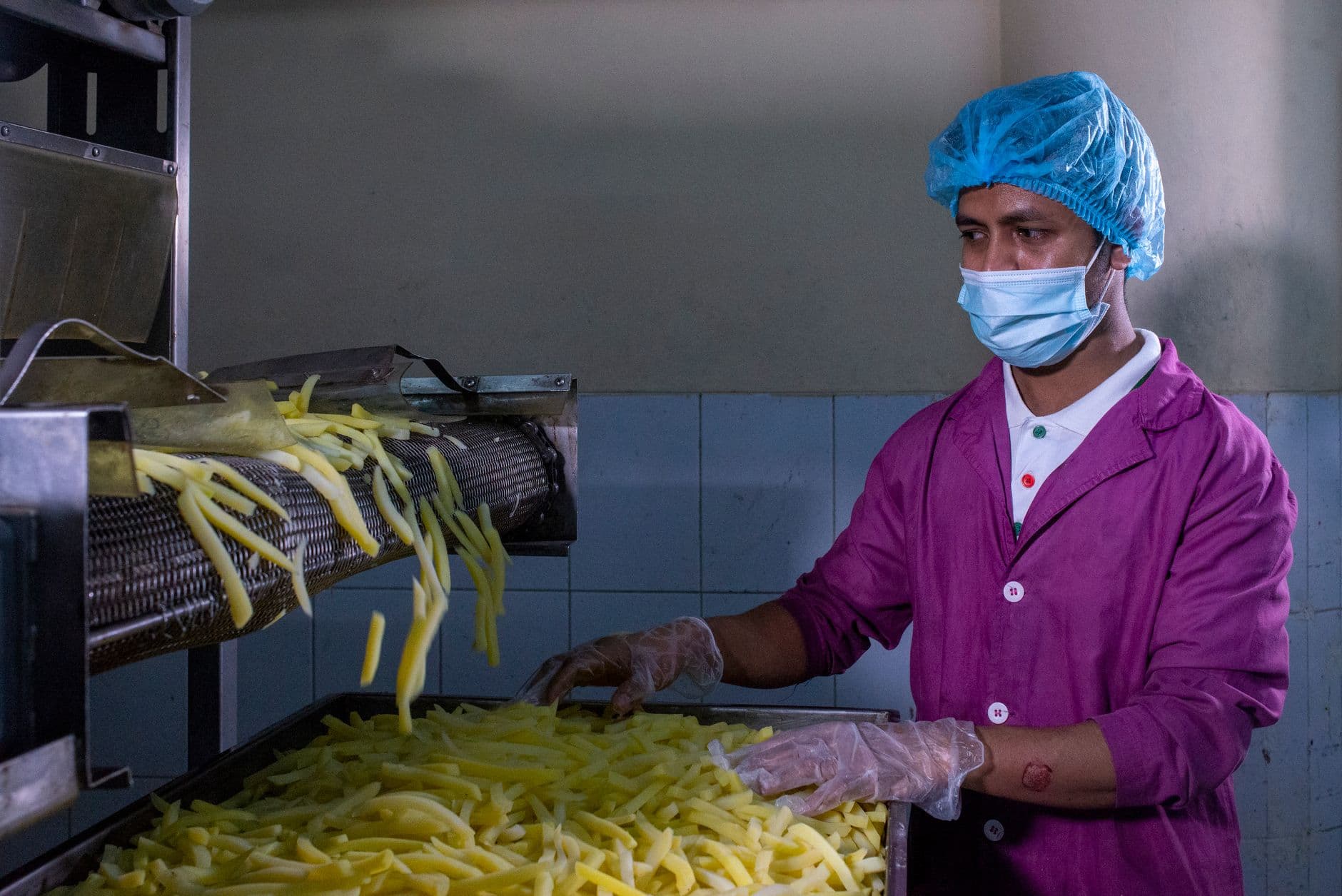
Digital tools are becoming part of the safety net
McDonald’s says its food safety work is tied to its broader digital transformation strategy, “Digitizing the Arches.” The company also says technology continuity and crisis management are priorities in its business resilience materials. In food safety terms, that points to a future where digital systems help with traceability, temperature monitoring, audit consistency, and faster response when something goes wrong.
For the restaurant team, the important point is not that technology replaces judgment. It is that digital tools can reinforce the judgment crew members and shift leaders already use every day. When the data is better, the store can spot problems sooner, react faster, and reduce the chance that a small miss turns into a customer-facing incident.
Why World Food Safety Day fits McDonald’s playbook
McDonald’s has also framed food safety as a global issue, not just an internal policy. The United Nations General Assembly adopted resolution 73/250 on December 20, 2018, proclaiming World Food Safety Day, and it is observed every June 7. McDonald’s said in 2019 that it would join the first annual observance, which fits the company’s broader message that food safety has to be managed system-wide.
That global frame matters because McDonald’s runs on scale. A safety practice that works in one restaurant has to work across thousands of stores, across suppliers, and across distribution networks. The real test is whether the rules survive a rush, a staffing gap, or a sudden product issue without falling apart.
At its best, McDonald’s food safety system is less about polished brand language than about muscle memory: wash, check, separate, monitor, verify. That is the kind of discipline that protects guests, keeps restaurants open, and gives crews a clearer way to do the job when the room gets loud.
This article was produced by Prism’s automated news system from verified source data, official records, and press releases, then run through automated quality and moderation checks before publishing. The system is built and supervised by the people who set the standards it runs under. Read our full AI policy.
Did this article answer your question?