McDonald's dividend strength contrasts with pressure on franchisees and crews
McDonald’s can keep raising dividends while the pressure lands on franchisees, managers and crews through leaner schedules, tighter pricing fights and harder labor calls.
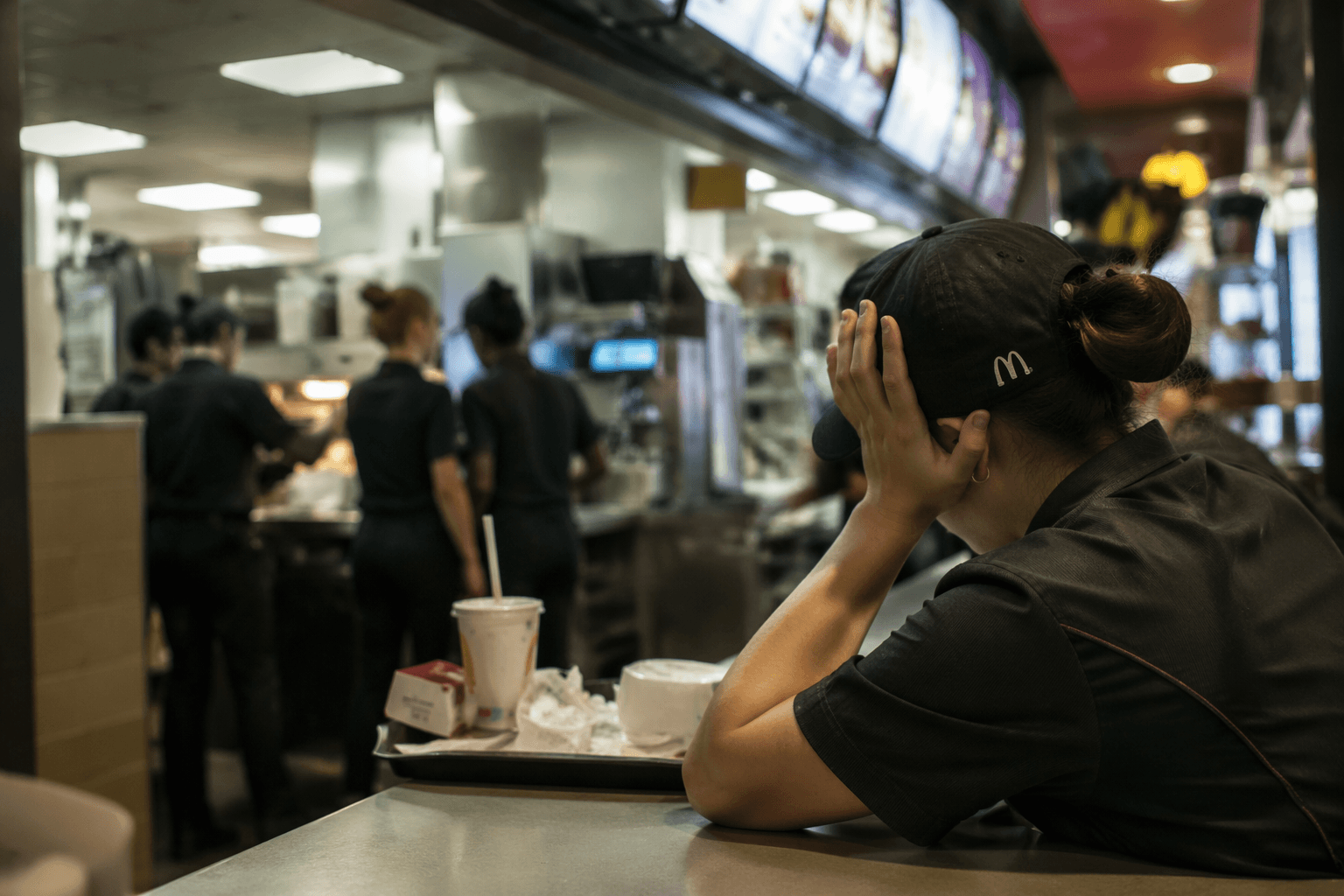
McDonald’s board declared a quarterly cash dividend of $1.86 per share on March 3, 2026, payable March 17, 2026, even as pressure inside its restaurants kept building. The parent company collects royalties and rent from a largely franchised system, while labor, food, maintenance and service problems show up first in the store, where managers are trying to hold down service times and keep crews intact.
Dividend strength, store pressure
McDonald’s said its business last year was shaped by persistent inflationary pressures, tighter labor markets, evolving trade dynamics and weaker consumer sentiment among lower-income households, yet it still posted 7% systemwide sales growth and 3.1% global comparable sales growth. The company also marked its 49th consecutive year of dividend increases, even as operators say the day-to-day math in restaurants is getting tougher.
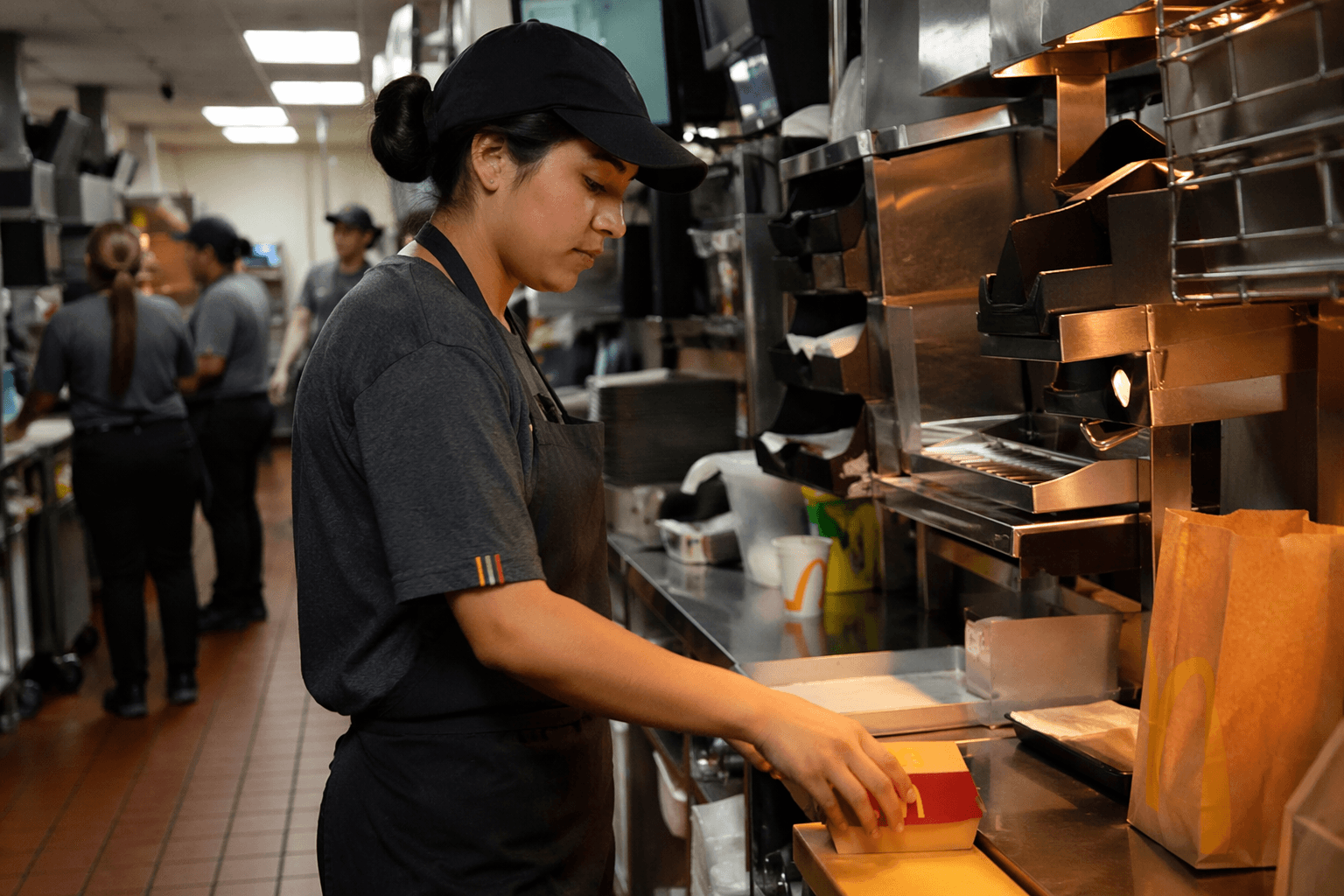
For crew members, that tension usually shows up in familiar ways: tighter schedules, more attention to food waste, closer scrutiny on overtime, and heavier pressure to hit service metrics with fewer people on shift. For managers, it can mean being asked to absorb higher expectations for speed and consistency without much room to loosen the labor budget.
The numbers behind the brand
McDonald’s says it has about 44,000 locations worldwide and serves 68 million people daily, which means most of the chain’s footprint depends on franchise operations rather than company-owned stores. That structure gives the parent company a different risk profile from the operators who carry the expense of staffing, equipment upkeep and the daily cost of keeping the line moving.
McDonald’s 2025 results show strong demand engines. Full-year systemwide sales rose 7% to more than $139 billion, and sales to loyalty members across 70 loyalty markets reached nearly $37 billion. McDonald’s had nearly 210 million 90-day active loyalty users at year-end 2025, a sign that digital traffic and repeat business are doing a lot of the work behind the sales growth.
When the company can point to strong systemwide numbers, the pressure often moves downward: managers are told to preserve labor discipline, protect margins and keep the guest experience steady, even when staffing is thin or customer demand is uneven. In practice, that can leave the shift supervisor doing the balancing act between staffing, service and retention.
Where the squeeze lands on franchisees
The dividend also sits in the middle of a growing argument over who absorbs inflation. The same $1.86 quarterly dividend was paid again on June 16, 2026. That payout shows how comfortably the parent can keep rewarding investors while franchisees say they are being asked to manage pricing pressure, remodel demands and customer value expectations at the unit level.
In February 2026, some franchisees pushed back against McDonald’s value strategy, and an operator advocacy group adopted a Franchisee Bill of Rights that includes the ability to set prices without fear of recourse. McDonald’s says franchise owners set their own prices, but the basic conflict remains: value deals can bring customers in the door, yet the store still has to make the numbers work on labor, food costs and maintenance.
When franchisees feel squeezed, one of the first places the strain shows up is the labor budget, followed by deferred maintenance, slower repair cycles and more pressure on managers to stretch the same crew across more work.
What it means on the floor
A strong balance sheet at the top does not automatically mean cleaner schedules, more predictable hours or easier promotions at the store level. It can just as easily mean the opposite: more corporate confidence, more franchisee caution and more pressure on the manager trying to keep the restaurant staffed, clean and fast.
Inflation, labor shortages and softer spending among lower-income customers are pushing the chain to defend traffic while still maintaining returns. Inside the restaurant, that tends to translate into lean staffing, tighter controls and higher expectations for the same crew.
This article was produced by Prism’s automated news system from verified source data, official records, and press releases, then run through automated quality and moderation checks before publishing. The system is built and supervised by the people who set the standards it runs under. Read our full AI policy.
Did this article answer your question?