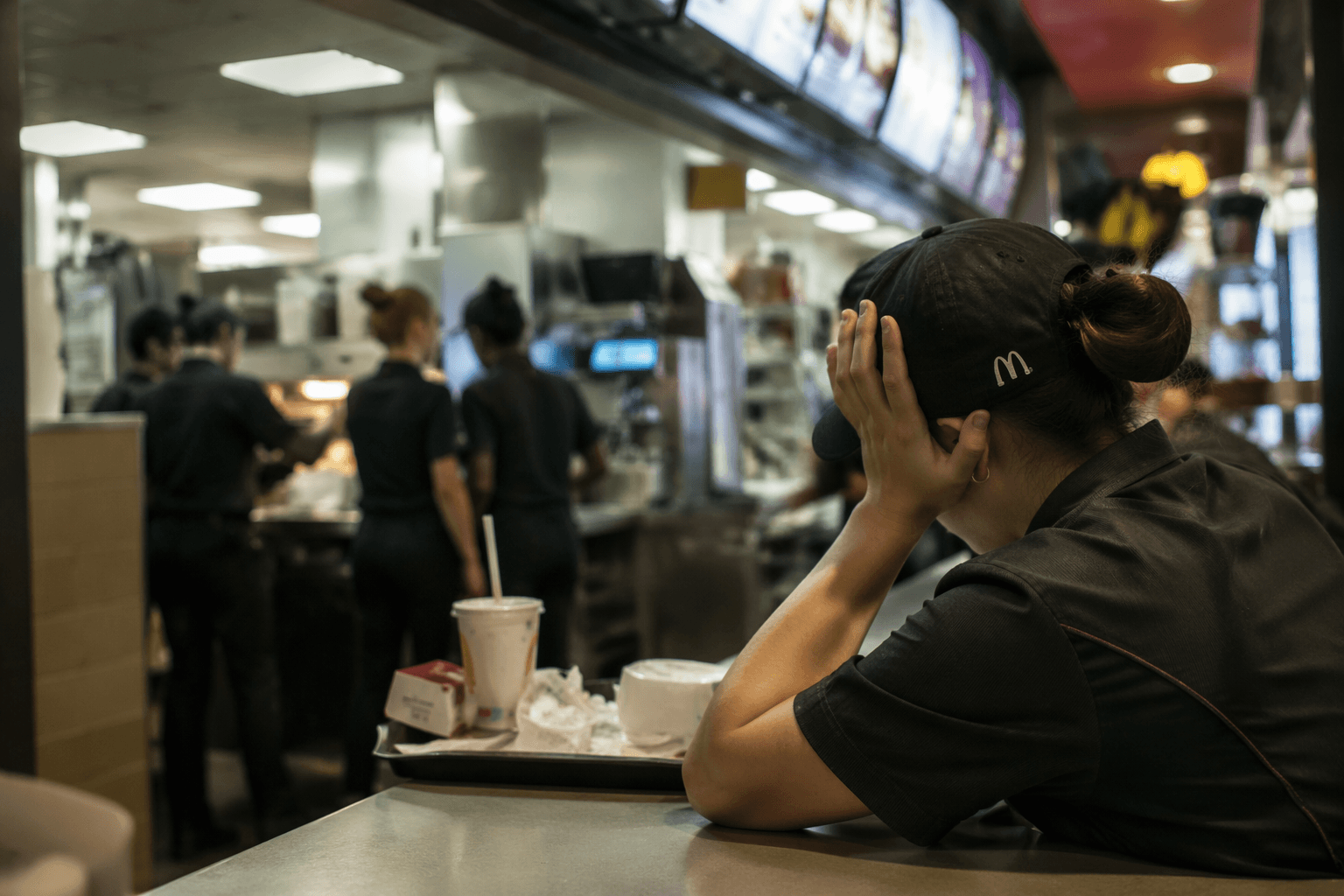
McDonald’s operators brace for July 1 minimum wage changes
More than 20 local wage hikes hit McDonald’s operators on July 1, turning payroll codes, posters and notice deadlines into same-day problems.
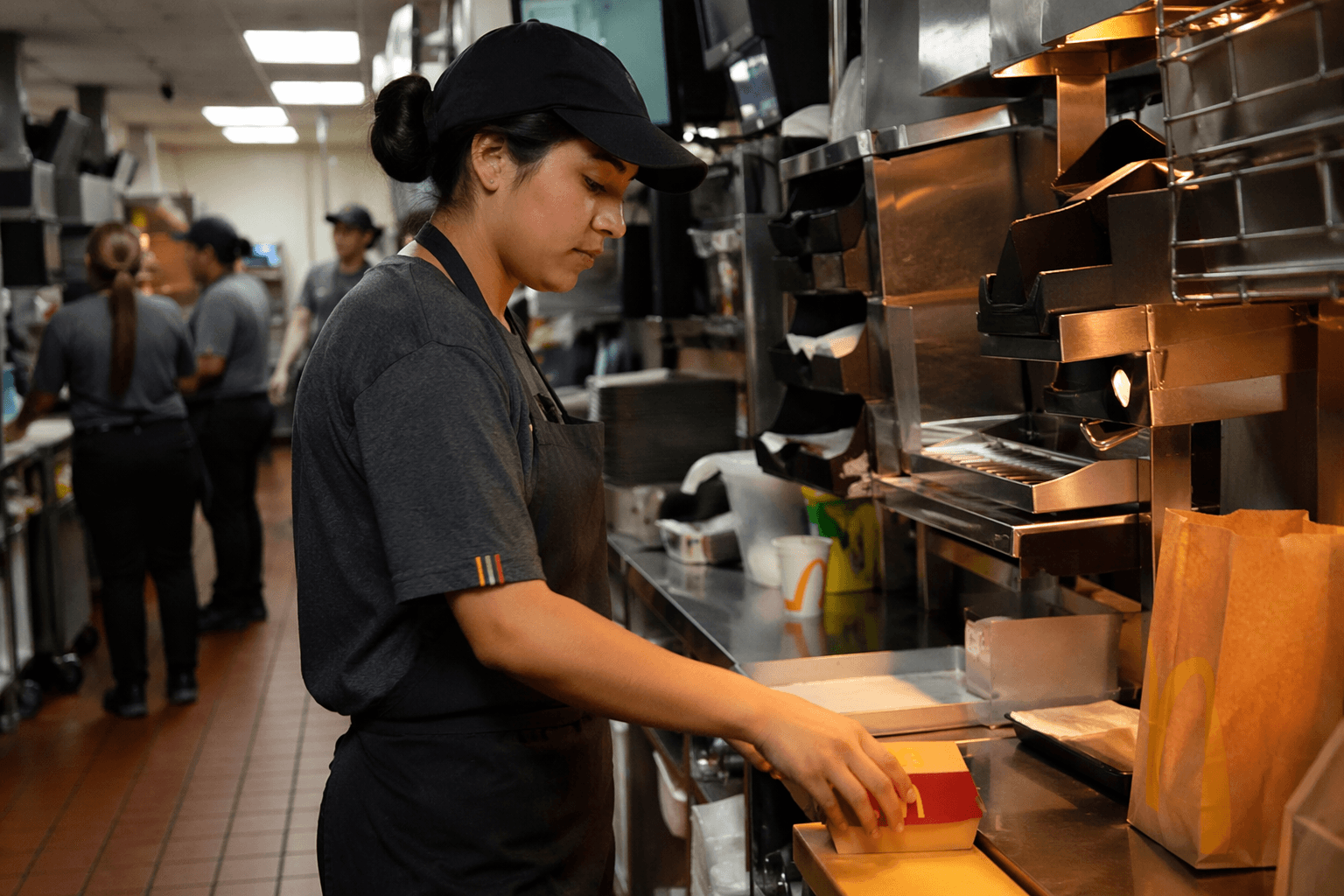
More than 20 cities and counties changed minimum wage rates on July 1, and for McDonald’s operators the hardest part was not the new number itself but making sure the right crew members actually got it. A store can run clean on the grill line and still create pay complaints if a local rate is loaded late, a job code is wrong, or a franchise office misses a posting deadline.
About 95% of McDonald’s restaurants worldwide are owned and operated by independent local business owners. Franchising lets owner/operators control employment-related matters, pricing and marketing decisions at their restaurants. In practice, that pushes wage changes down to the level of the individual restaurant, or even the individual employee, when crews cross city or county lines.
The biggest rates in the latest ADP table were Alaska at $13.00 an hour before its scheduled jump to $14.00 on July 1 and $15.00 on July 1, 2027. California’s statewide minimum was $16.90, while Washington, D.C. was at $18.40, with a tipped cash wage of $10.30. California localities including Berkeley, Emeryville, San Francisco, Los Angeles, Pasadena, Milpitas, Alameda, Fremont, Malibu and Los Angeles County were each listed at their own local rates.
Workplace posters had to be updated by July 1 and displayed in English plus any language spoken by 5% or more of employees at a worksite. Some jurisdictions, notably Chicago, require written notice to employees with a paycheck issued within 30 days of the increase. For multi-unit McDonald’s operators, that means the same wage change can touch handbook references, wall postings, timekeeping templates and internal payroll codes before the first corrected paycheck goes out.
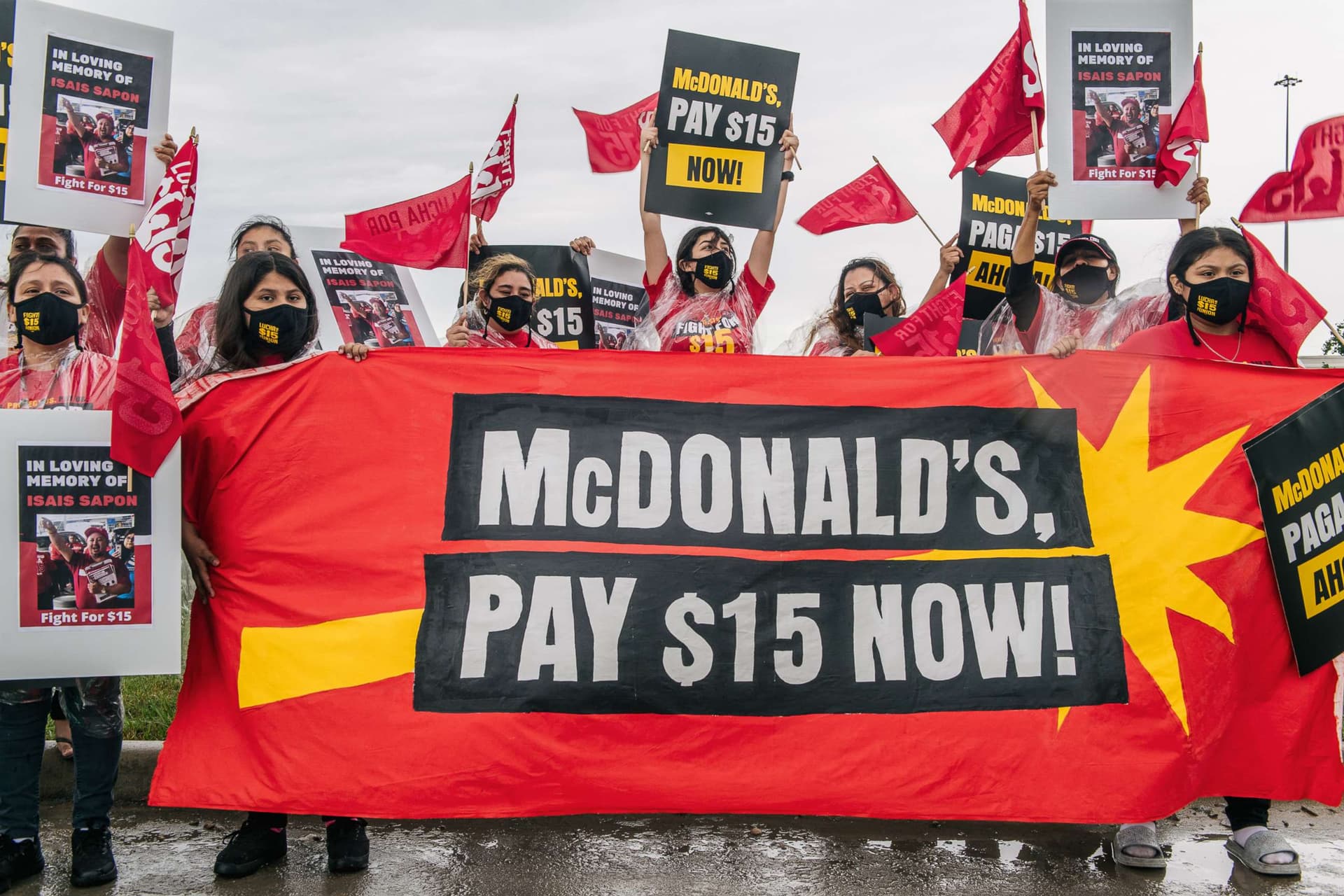
Before 2012, only five localities had minimum wage laws; now 66 counties and cities do, according to UC Berkeley Labor Center. Twenty-six states, counties and cities raised wages on July 1, creating 37 total increases when industry-specific mandates were included, with Alaska and Florida among them.
This article was produced by Prism’s automated news system from verified source data, official records, and press releases, then run through automated quality and moderation checks before publishing. The system is built and supervised by the people who set the standards it runs under. Read our full AI policy.
Did this article answer your question?