McDonald's ex-manager keeps defamation claim alive in termination lawsuit
A judge let Katherine Vivanco's defamation claim survive, even while calling it "dubious," in a McDonald's termination fight tied to disability issues.

Katherine Vivanco’s fight with McDonald’s is no longer just about a firing. A Los Angeles County judge let her defamation claim stay alive, a warning that the way managers talk about a worker after a dispute can turn a personnel case into a broader legal and reputational problem.
Vivanco says she was hired in 2001 at age 19 and spent 19 years at a Glendale store, starting as a crew member and working her way up to store manager in 2016. She was transferred in 2021 to the Sylmar location on Encinitas Avenue, and she alleges she was terminated in 2023 because of disability issues. Her complaint was filed in Los Angeles Superior Court.

Judge Jerrold Abeles denied McDonald’s anti-SLAPP motion on June 11, 2026, allowing the defamation claim to proceed even as he called it “dubious.” The court said the case involved a private employer investigation involving a small group of employees at one business location, which put it outside the protection McDonald’s was seeking. McDonald’s had argued that speech tied to harassment complaints and workplace investigations should be protected from retaliatory litigation.
Vivanco’s court papers say the dispute centered on allegations that she told a former general manager she had sex with her boyfriend in a McDonald’s parking lot and had engaged in atypical sex. Vivanco says those statements were false and were used as pretextual reasons to fire her. That is the kind of allegation that can widen a workplace case fast: once statements move beyond a tight circle and into a termination file, the fight can spill into claims about defamation, retaliation and the handling of protected complaints.
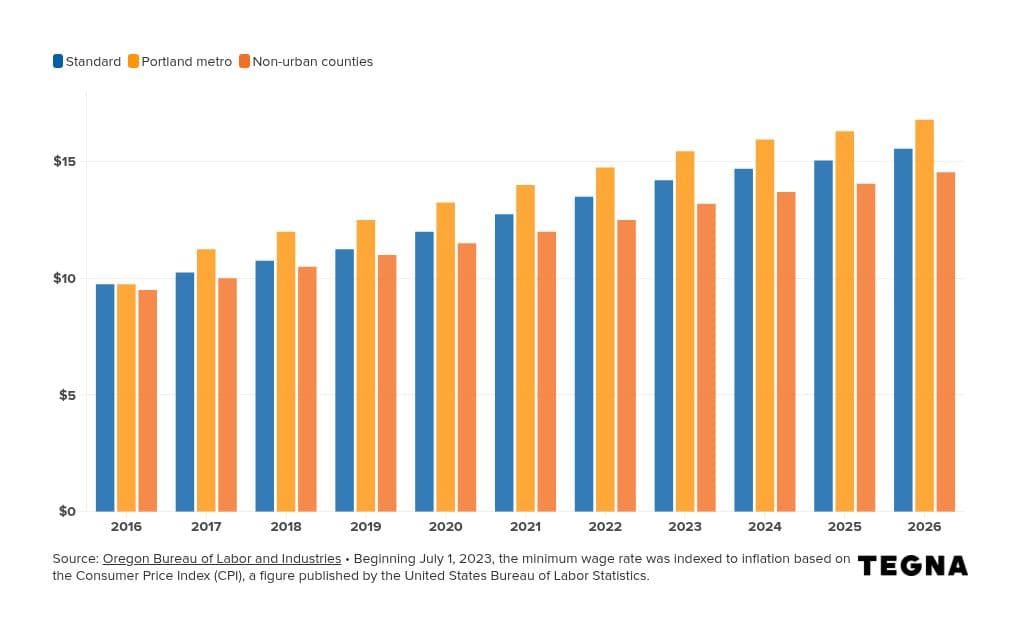
For McDonald’s operators, the lesson is practical. Document performance issues carefully. Limit who hears allegations and investigation details. Make sure managers understand what can be said in the room, what can be written down, and what should never be repeated after an employee exits. Loose language around a termination can chill trust with the crew long after the shift ends, especially in a system already strained by minimum wage battles, Fight for $15 pressure and the constant push to automate more work. When a dispute leaves the kitchen and lands in court, the damage reaches far beyond one store in Sylmar.
This article was produced by Prism’s automated news system from verified source data, official records, and press releases, then run through automated quality and moderation checks before publishing. The system is built and supervised by the people who set the standards it runs under. Read our full AI policy.
Did this article answer your question?