McDonald's expands learning strategy to drive consistency and promotion
McDonald’s is turning training into an operations tool, using learning programs to standardize stores, speed up managers and keep crew from cycling out.

McDonald’s is sharpening learning and development into a restaurant-management lever, not just a hiring perk. A new senior manager role on the company’s U.S. learning optimization team is built to evolve and scale solutions across the market, with the stated goal of driving consistent, high performance for both workers and the business.
That matters in a system where consistency has to travel through a huge franchise network. McDonald’s says about 95% of its restaurants worldwide are owned and operated by independent local business owners, across more than 44,000 locations in over 100 countries, serving about 68 million people a day. In that kind of footprint, training is not just about teaching a crew member how to run a lane or assemble a sandwich. It is about making sure a shift in Des Plaines looks like a shift in Dubai, or at least close enough that customers do not feel the difference.
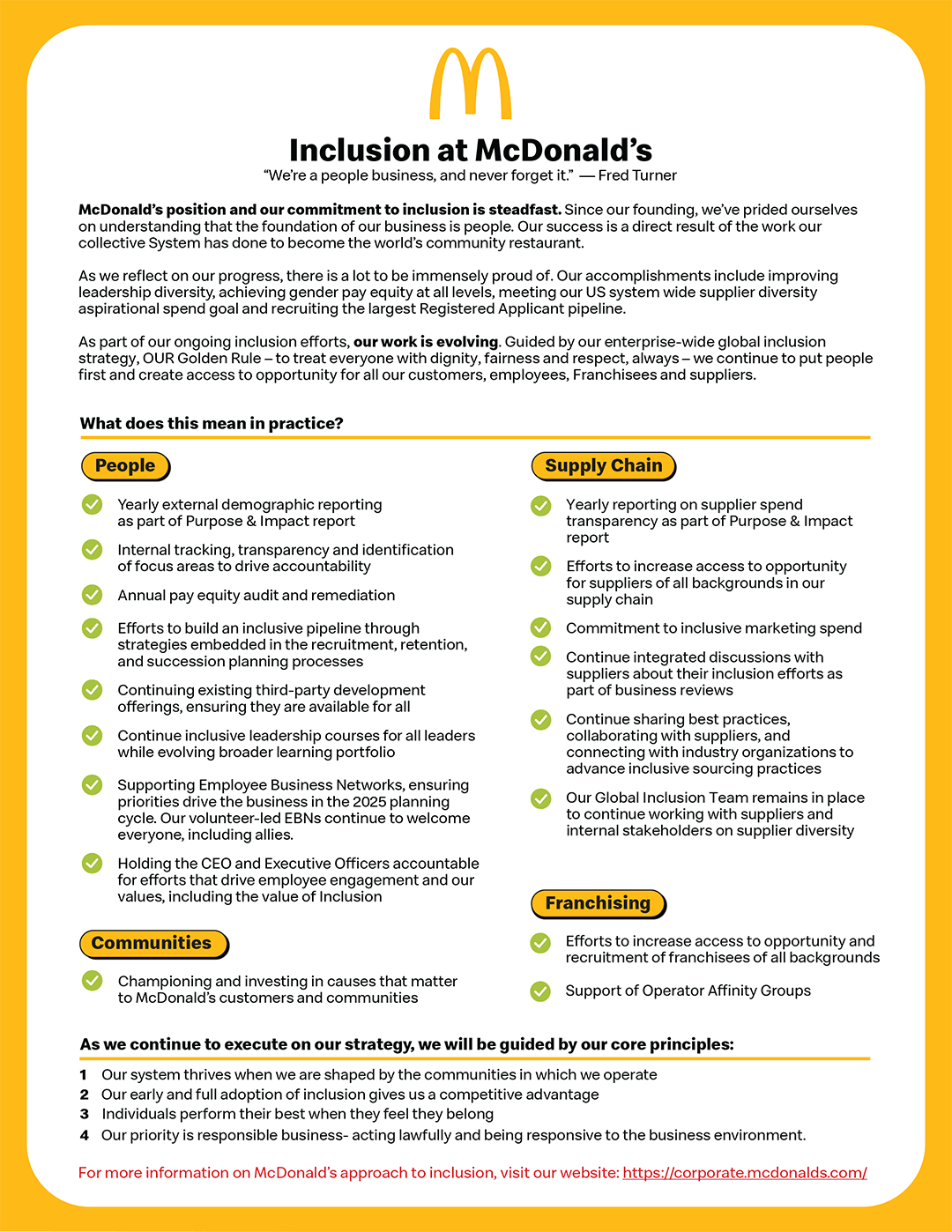
The company’s own language makes clear that learning sits inside operations, governance, measurement and rollout. McDonald’s says its talent strategy is meant to make it an iconic talent destination and improve employee experience, workforce management, and data analytics and reporting. For store workers, that translates into clearer onboarding, more structured coaching and a more visible path to promotion. For managers, it means more responsibility for documenting performance, giving feedback and preparing the next layer of shift leaders. For franchisees, it is a way to reduce the chaos that comes when one restaurant trains well and the next one improvises.
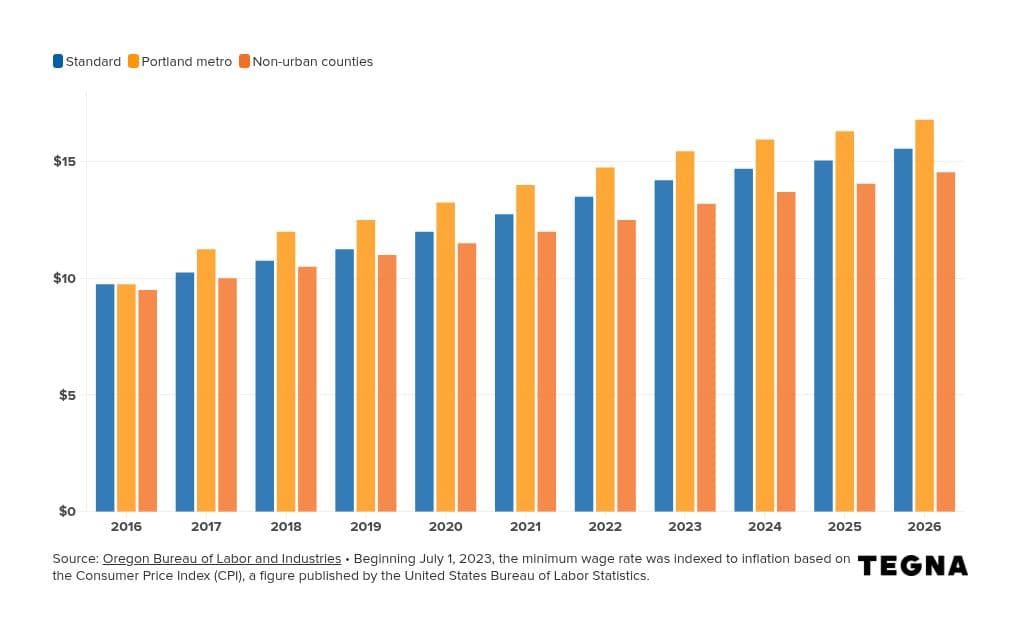
McDonald’s has been building that system for decades. It acquired the rights to the brothers’ company in 1961 for $2.7 million, and Hamburger University began that same year in the basement of a McDonald’s restaurant in Elk Grove Village, Illinois. Today, the company describes Hamburger University as a global training center with campuses around the world, plus online and on-demand resources. The message is familiar to anyone who has worked in fast food during the Fight for $15 era, when minimum wage fights and labor pressure made turnover and manager readiness impossible to ignore: if the work is standardized, the training has to be too.
The latest pieces of that strategy are more modern, but the goal is the same. McDonald’s says Speedee Labs at headquarters became more accessible in 2024 to employees, franchisees, suppliers, Hamburger University students and restaurant teams, tying innovation more closely to rollout. Its Archways to Opportunity program, launched in 2015, has drawn more than $240 million in investment from the company and participating franchisees and has helped more than 90,000 crew members with diplomas, tuition assistance, English learning and career advising. In a business where a bad hire can become a lost guest and a bad shift can ripple through a whole store, McDonald’s is betting that better learning is one of the few tools that can improve both retention and execution at once.
This article was produced by Prism’s automated news system from verified source data, official records, and press releases, then run through automated quality and moderation checks before publishing. The system is built and supervised by the people who set the standards it runs under. Read our full AI policy.
Did this article answer your question?