McDonald's faces food-cost pressure as commodity prices stay volatile
Food prices cooled for some staples, but the overall cost floor is still high, forcing McDonald’s operators to squeeze menus, waste, and labor harder.
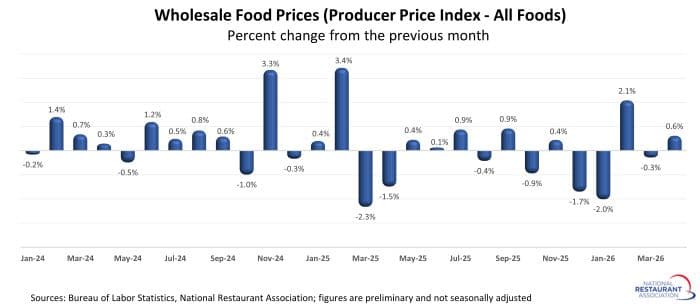
Even as eggs, butter and cheese fell from a year ago, restaurant operators are still running in a cost environment that sits far above where it was before the pandemic. The National Restaurant Association said the Producer Price Index for all foods was 35% above its February 2020 level as of April 2026, a reminder that even easing commodity lines do not erase the pressure on a restaurant’s daily economics.
That matters on the McDonald’s floor because the pressure rarely shows up as one giant price shock. It shows up in smaller moves that crews and managers feel immediately: menu board changes, tighter daypart promos, more attention to waste, and closer watching of items built around eggs, dairy, grains and meat. The association said year-over-year indices were down for eggs, butter, confectionary materials, refined sugar, milled rice, fresh fruit, pork and cheese, but that kind of mixed picture is exactly what makes it hard for large systems to settle on one clean answer. A breakfast sandwich may get cheaper to source while another item stays stubbornly expensive, which means the burden shifts to forecasting, purchasing discipline and sharper execution inside stores.

McDonald’s has been telling investors it is still working through a “challenging environment” even while it grows. The company reported 6% global systemwide sales growth and 3.8% global comparable sales in the first quarter of 2026, and management said U.S. food and paper inflation should run in the low- to mid-single digits this year, with potentially higher inflation risks heading into 2027. For operators, that is the kind of guidance that tends to filter down into tighter labor planning, more scrutiny on promotional mix and a stronger push to keep food in the window without letting waste climb.
The chain’s value strategy adds another layer of pressure. In its fourth-quarter and full-year 2025 results, McDonald’s said value leadership improved traffic and its value and affordability scores, while global systemwide sales rose 8% for the quarter. That is good news for top-line sales, but it also means price increases cannot do all the work. If menu prices rise too fast, traffic can soften; if they rise too slowly, the cost squeeze lands somewhere else, usually in margins, scheduling or store-level controls.
The broader industry backdrop is not easing much either. The U.S. Bureau of Labor Statistics said final-demand producer prices excluding foods, energy and trade services rose 4.4% over 12 months in April 2026, the largest gain since February 2023. The National Restaurant Association projected 2026 restaurant and foodservice sales of $1.55 trillion and more than 100,000 jobs added, but it also warned that persistent cost pressure and cautious consumers would keep margins under strain. For McDonald’s crews and managers, that means food-cost volatility is not an abstract spreadsheet problem. It is the reason a shift can start with one menu mix and end with a different one.
This article was produced by Prism’s automated news system from verified source data, official records, and press releases, then run through automated quality and moderation checks before publishing. The system is built and supervised by the people who set the standards it runs under. Read our full AI policy.
Did this article answer your question?