McDonald's expands scholarships for students and restaurant employees
McDonald’s is pairing scholarship money with Archways to Opportunity, giving students and crew members a clearer route to school with less debt and more flexibility.

McDonald’s scholarship pages can turn a restaurant job into a cheaper route to a degree, especially when shift work, family obligations and tuition bills collide. The company now offers several paths at once: HACER for Hispanic/Latino students, Black & Positively Golden for HBCU students, the APIA Scholarship through Asian Pacific Islander American Scholars, and Archways to Opportunity for restaurant employees. For crew members trying to stay enrolled while paying for books and fees, that mix can make school feel less like a detour and more like a real next step.
A scholarship system with more than one route
The practical value of McDonald’s setup is that it does not rely on a single benefit to do all the work. On its scholarships page, the company says students can apply for financial help and review the merit requirements and other details needed to qualify. Its Black & Positively Golden education page adds a broader menu of support, including educational opportunities, financial aid, McDonald’s scholarships and related resources.
That matters because workers are not all in the same spot. Some are fresh out of high school and looking for help with tuition, while others are crew members or managers trying to finish a degree they started years ago. McDonald’s has been supporting students with scholarships for more than 40 years, which gives these programs a long runway inside a company where turnover is usually high and the schedule can shift week to week.
For workers and managers, the key takeaway is simple: do not think of this as one scholarship. Think of it as an education pipeline with multiple doors, and each one is designed for a different kind of student.
What the biggest awards actually look like
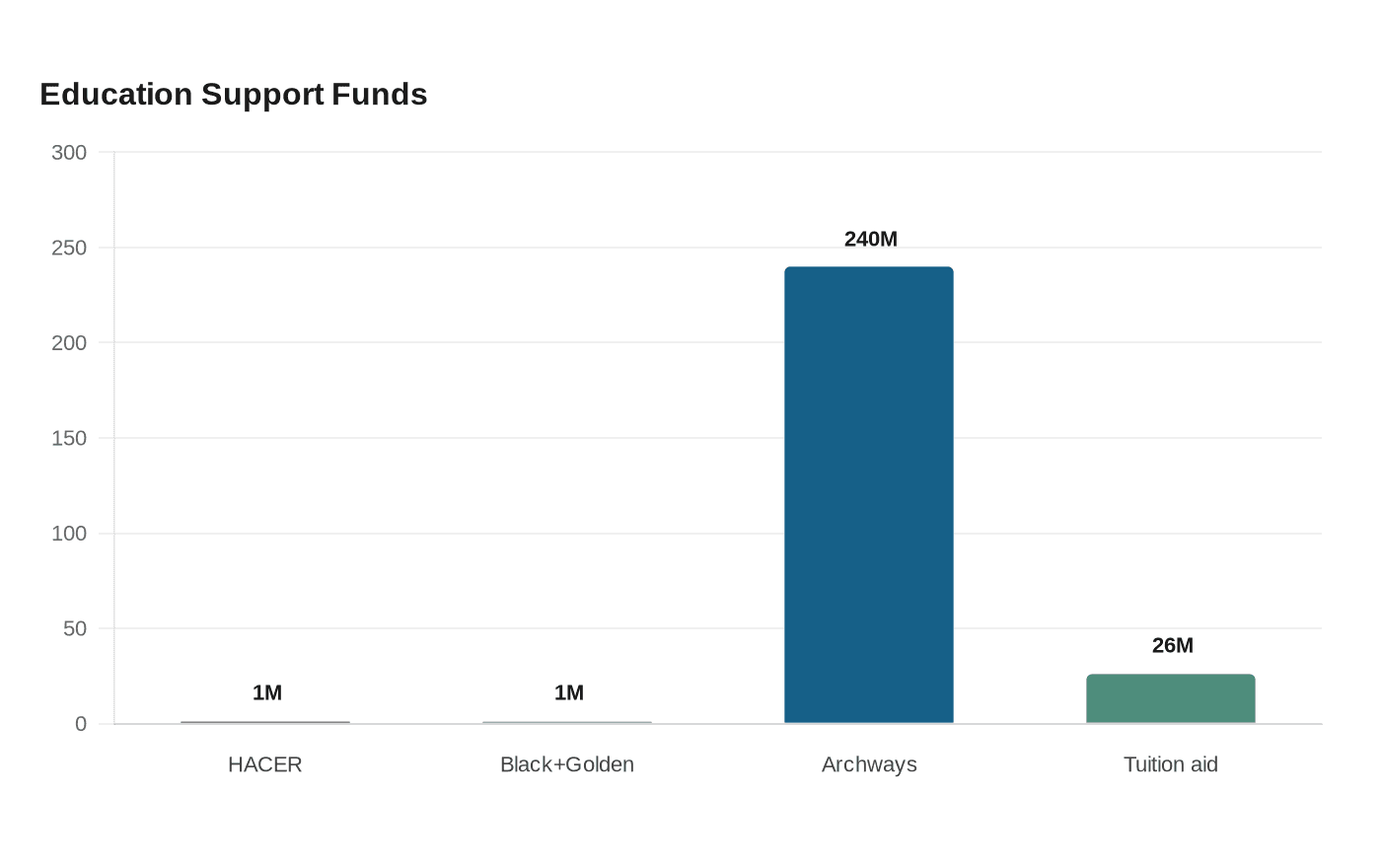
The clearest headline number is the HACER National Scholarship. McDonald’s says the program offers $1 million in scholarships and supports up to 100 students. The company also says more than 17,000 students have received more than $35 million through HACER to date, which shows that the program is not a token benefit but a major, long-running scholarship channel.
McDonald’s describes HACER as one of the largest scholarship programs of its kind in the country, focused on Hispanic/Latino students. For families and first-generation students, that focus matters because the money is not just about tuition. It can also help with the smaller costs that often stop a semester from happening at all, including books, fees and the gap between aid and the real cost of attendance.
The Black & Positively Golden Scholarship Program is another large piece of the picture. McDonald’s says it launched in 2021 in partnership with the Thurgood Marshall College Fund, and that the company had already raised the award level to $1 million for the 2023-2024 academic year, up from $500,000 in 2022. The 2026 version is set to award $1 million in HBCU scholarships to more than 60 scholars. For students at HBCUs, that creates a direct path to reduce debt while staying connected to a program built around education access.
Why this matters for crew members and managers
Archways to Opportunity is the piece most directly tied to the restaurant floor. McDonald’s says the program launched in 2015, has helped more than 90,000 crew members and has received more than $240 million in investment from the company and participating franchisees. McDonald’s has separately said that it and its franchisees have contributed more than $26 million in tuition assistance for restaurant employees.
That combination matters in a business built on variable schedules and lean staffing. A scholarship can cover a specific hole in the budget, while tuition assistance and Archways can help employees keep moving through school without dropping shifts altogether. For a crew member weighing one more close shift against a class that week, that support can be the difference between staying enrolled and drifting away from a degree.
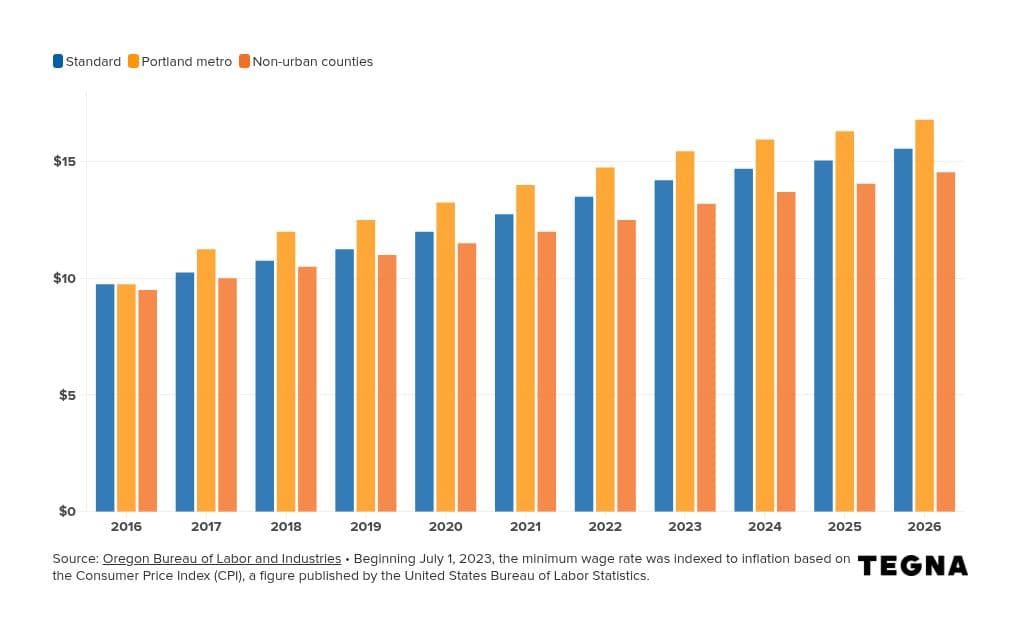
It also explains why these benefits should be read as a mobility tool, not just a feel-good perk. In the broader workplace landscape, where Fight for $15 campaigns and minimum wage fights have pushed the pay debate for years, education support is one of the few ways a restaurant job can translate into a longer-term career ladder. As automation and AI take over more routine tasks, the workers most likely to benefit are the ones who can use McDonald’s education programs to move toward management, administration or another degree-backed path.
Deadlines, eligibility and how to approach the process
The scholarship pages are most useful when treated like a checklist, not a wallpaper page. McDonald’s says students can review merit requirements and other qualification details before applying, which makes the pages a starting point for anyone trying to see whether they fit a program’s rules. The APIA Scholarship window for the 2024-2025 academic year opened Nov. 15, 2024 and closed Jan. 15, 2025, a reminder that these opportunities can move on a tight calendar.
That timing matters because workers often plan school around shifts, not the other way around. If you are already in the restaurant system, the best move is to treat education support as a stack: start with Archways to Opportunity, then check whether a targeted scholarship can cover the gap that tuition assistance does not. For employees juggling family responsibilities, that combination can be especially valuable because it reduces the chance that one missed paycheck or one unexpected bill knocks school off track.
McDonald’s is not solving the whole cost of college on its own, but it is offering something more concrete than a generic promise of opportunity. The company has built separate routes for Hispanic/Latino students, HBCU students, Asian American and Pacific Islander students and restaurant employees, and it has put real money behind each one. For workers trying to move up without leaving the system, that is what an education ladder looks like when it is built in numbers, deadlines and award amounts rather than slogans.
This article was produced by Prism’s automated news system from verified source data, official records, and press releases, then run through automated quality and moderation checks before publishing. The system is built and supervised by the people who set the standards it runs under. Read our full AI policy.
Did this article answer your question?