McDonald’s explains how sourcing decisions affect restaurant supply and menus
McDonald’s sourcing rules are really store-resilience rules. Beef standards, crisis planning, and supplier enforcement all feed into whether crews see steady menus or last-minute substitutions.
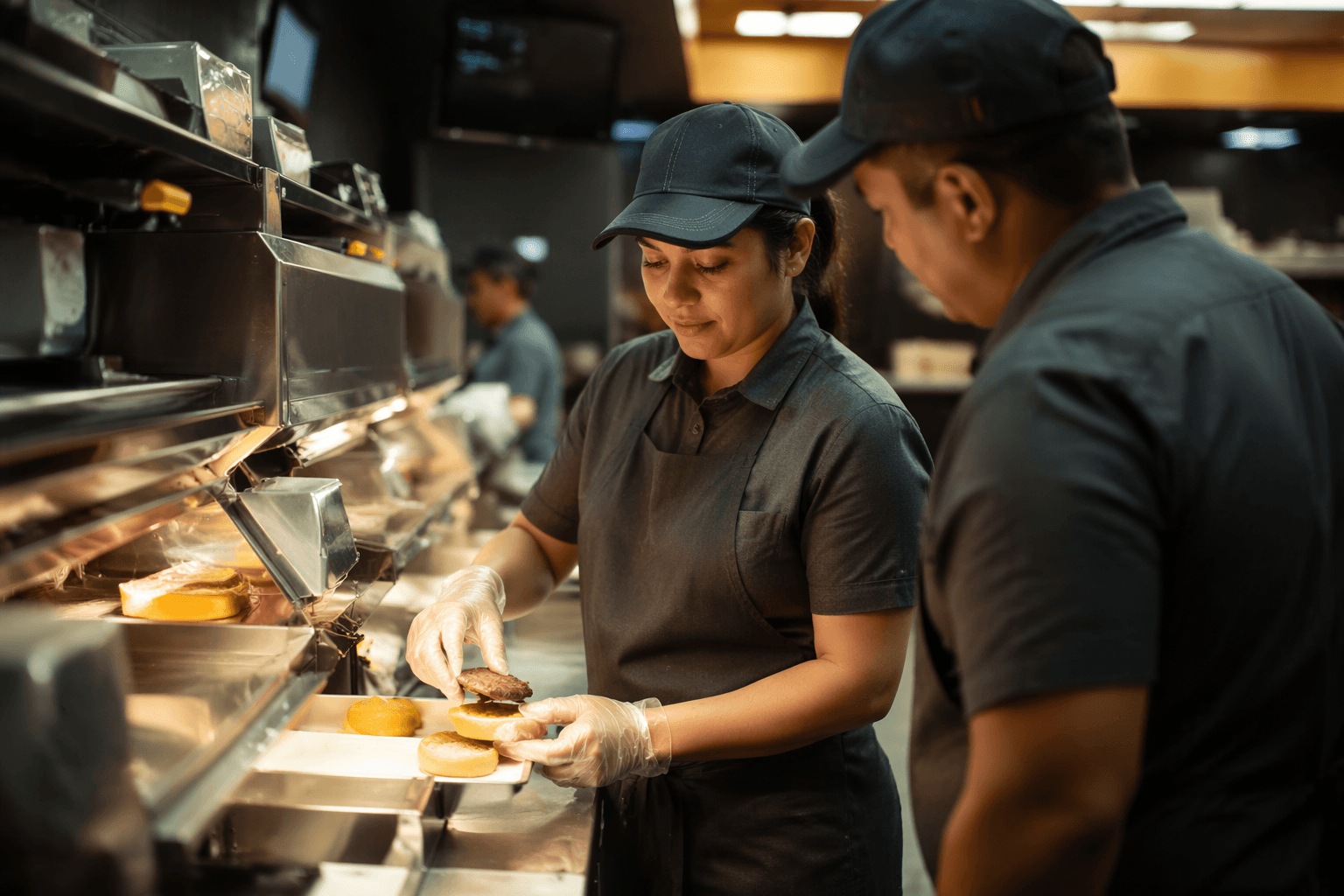
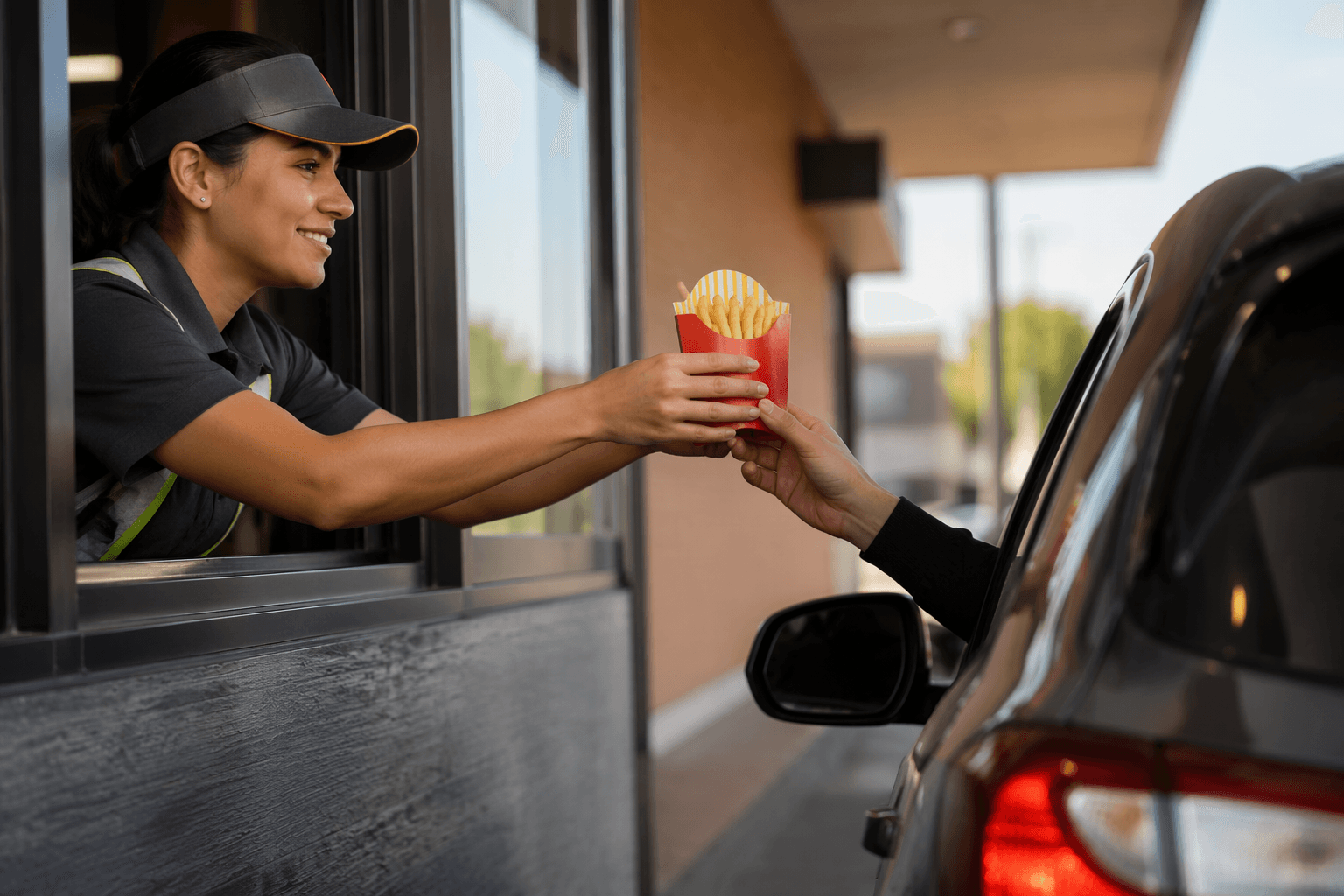
At McDonald’s, sourcing is not a back-office sustainability memo. The company says its global supply chain carries risks and opportunities tied to land, water, animals, and people, and those choices show up on the restaurant floor as whether ingredients arrive on time, menus stay consistent, and crews can keep service moving without surprise substitutions.
What “responsible sourcing” means on a shift
McDonald’s says its responsible sourcing work is built around four priorities: animal health and welfare, human rights, business resilience, and nature, forests, and water. That is the company’s own way of linking ethics to operations. For a crew member, the practical version is simpler: when the supply chain is steadier, prep is steadier, waste is easier to control, and managers spend less time explaining missing items to customers.
The company also says it uses a two-part approach, improving the positive impacts of sourcing while managing risks that could affect reliability. That matters because the restaurant business runs on narrow margins and tight routines. If supply gets bumpy, the trouble lands at the counter, on the drive-thru headset, and in the kitchen where line speeds and ticket times already leave little room for improvisation.
McDonald’s says it operates more than 43,000 restaurants globally, so a sourcing problem in one commodity category can become a system-wide issue fast. The scale is why the company treats sourcing as an operating model, not just a sustainability message.
The beef and forests policies behind menu stability
One of the clearest examples is beef. McDonald’s requires beef sourced in high-priority origins to meet its Deforestation-Free Beef Procurement Policy, and it says that beef is geo-monitored for environmental and social criteria with results reported annually. That is the kind of control layer most customers never see, but it is part of how the company tries to avoid supply shocks tied to land use, compliance risk, and long-run sourcing instability.
McDonald’s says its broader forests commitment aims to eliminate deforestation and address conversion in its global supply chain by 2030, focusing on commodities and regions where it says it can deliver the greatest impact. The company says that work builds on 2020 milestones tied to beef, soy for chicken feed, palm oil, coffee, and fiber. In practice, that means the same sourcing decisions that affect the company’s environmental footprint also affect whether the system can keep feeding restaurants with fewer interruptions.
The longer arc matters too. McDonald’s says it first released its Commitment on Forests in 2015 after endorsing the New York Declaration on Forests. It has since framed forests, water, and nature as resilience issues, not just environmental goals. The company says it wants to help build resilience with suppliers and farmers and safeguard the water resources needed for its business.
McDonald’s has also put money behind that logic through the Grassland Resilience and Conservation Initiative, which it says is its largest investment in regenerative agriculture to date in the U.S. The program is a partnership with the National Fish and Wildlife Foundation and the U.S. Department of Agriculture’s Natural Resources Conservation Service. That kind of investment is meant to reduce the odds that weather, soil stress, or land degradation turn into supply disruption later.
Why resilience now sits next to food quality
McDonald’s says its business resilience work includes using technology to identify risks sooner and activate contingencies. It also says the Enterprise Crisis Management program is designed to respond to enterprise-level disruptions more rapidly and in a coordinated way. That is a mouthful, but the operational point is straightforward: when there is a problem, the company wants to see it early and move fast enough to keep restaurants open and service predictable.
That focus shows up in the company’s latest Purpose & Impact reporting for fiscal 2024, which ran from January 1 to December 31. McDonald’s also says those pages generally do not cover franchisees, who may independently choose their own impact initiatives. For workers, that distinction matters because the brand can set baseline systems and standards, but individual restaurant ownership can still shape how policies are implemented day to day.
The broader business context also helps explain the urgency. In its 2025 annual letter, McDonald’s said the prior year was shaped by persistent inflation, tighter labor markets, evolving trade dynamics, geopolitical tensions, and wider economic uncertainty. It said those pressures were especially visible among lower-income households and reinforced the importance of value, familiarity, and trust. When customers get more price-sensitive, operational mistakes get less forgiving, and a missing item or quality swing lands harder on the crew trying to keep the line calm.
The supply chain is also a labor issue
McDonald’s says its Supplier Code of Conduct requires suppliers to comply with the code, the Supplier Workplace Standards and Guidance Document, and the same standards through their own subcontractors and third-party labor agencies. It also says non-compliances must be remediated in an appropriate and timely manner. That is not just paperwork. For a restaurant system this large, supplier labor practices can affect continuity, quality, and whether the chain can keep up with demand without disruption.
The company says the Supplier Code of Conduct is the cornerstone of its global Supply Chain Human Rights program, and that it updated both the code and its human rights strategy to emphasize a risk-based approach. McDonald’s says board-level oversight on human capital management, including human rights, comes through the Public Policy and Strategy Committee. That tells you the company is treating supply chain labor risk as governance risk, not just as a compliance box.
An attached filing with the supplier code adds another layer. Calvert said it had engaged McDonald’s over labor and supply-chain risks and commended the company for references to the UN Universal Declaration of Human Rights and freedom of association. In other words, investors are watching the same upstream issues that crews feel downstream when a shortage, quality problem, or delayed shipment hits the floor.
Who is steering the system now
McDonald’s said in its 2024 annual report that Warren Anderson was promoted to chief global supply chain officer after Marion Gross’s retirement. The company said Anderson would continue advancing supply chain resiliency, food safety and quality, efficiencies, innovation, and sustainable practices. That combination says a lot about how McDonald’s sees the job: sourcing is not separate from food safety, quality control, or the cost discipline that keeps a restaurant running.
For crew members and managers, the real takeaway is simple. Responsible sourcing is not only about what the company says it values. It is about whether the system can keep ingredients flowing, menus intact, and restaurants stable when inflation, labor pressure, weather, and trade shocks make the business harder to run.
This article was produced by Prism’s automated news system from verified source data, official records, and press releases, then run through automated quality and moderation checks before publishing. The system is built and supervised by the people who set the standards it runs under. Read our full AI policy.
Did this article answer your question?