McDonald’s Faces Still-Uneven Restaurant Labor Market, Hiring Improves Slowly
April restaurant hiring improved, but a February slump still hangs over McDonald’s crews. The market is better than peak-pandemic chaos, not stable enough to fix hours or staffing.
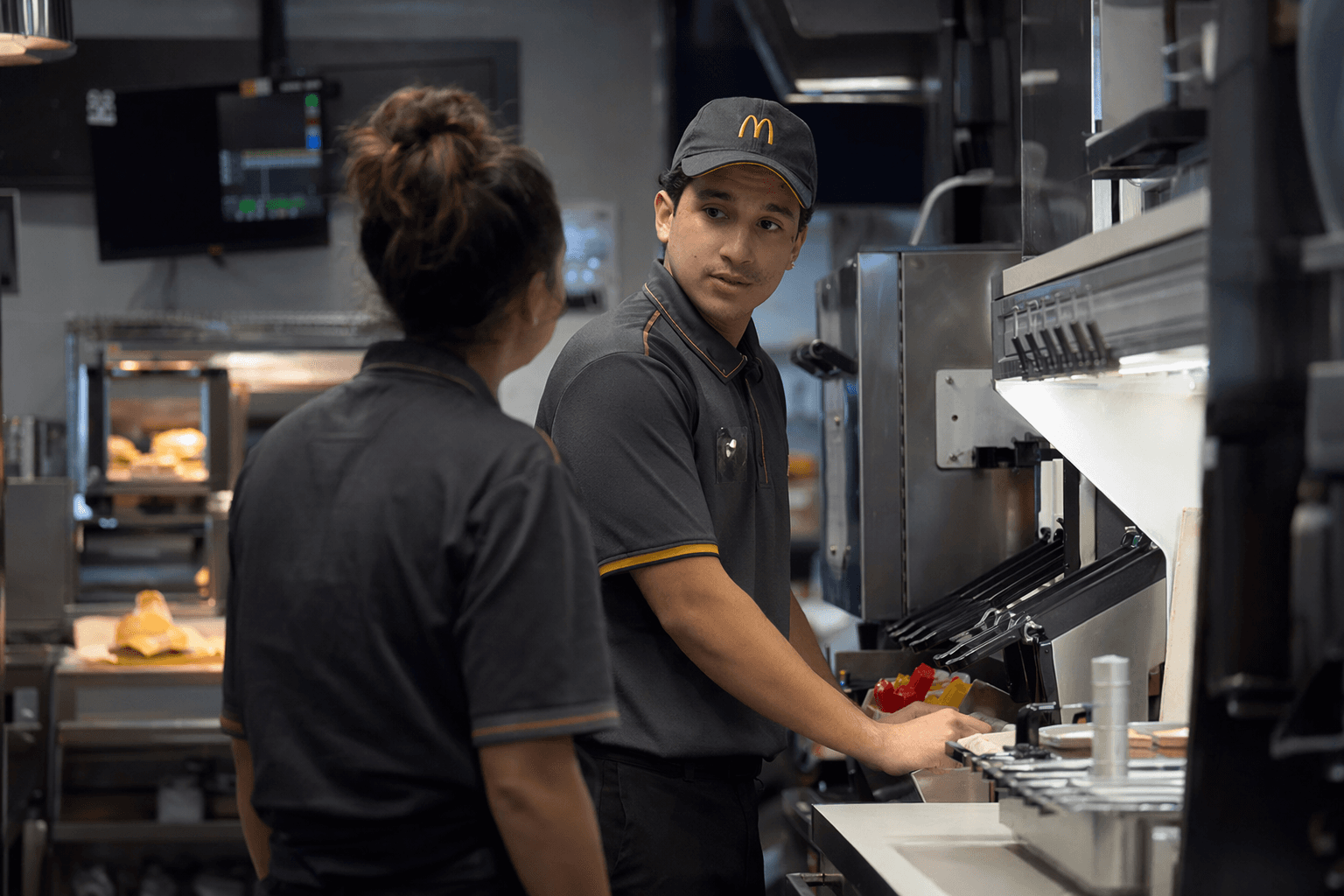
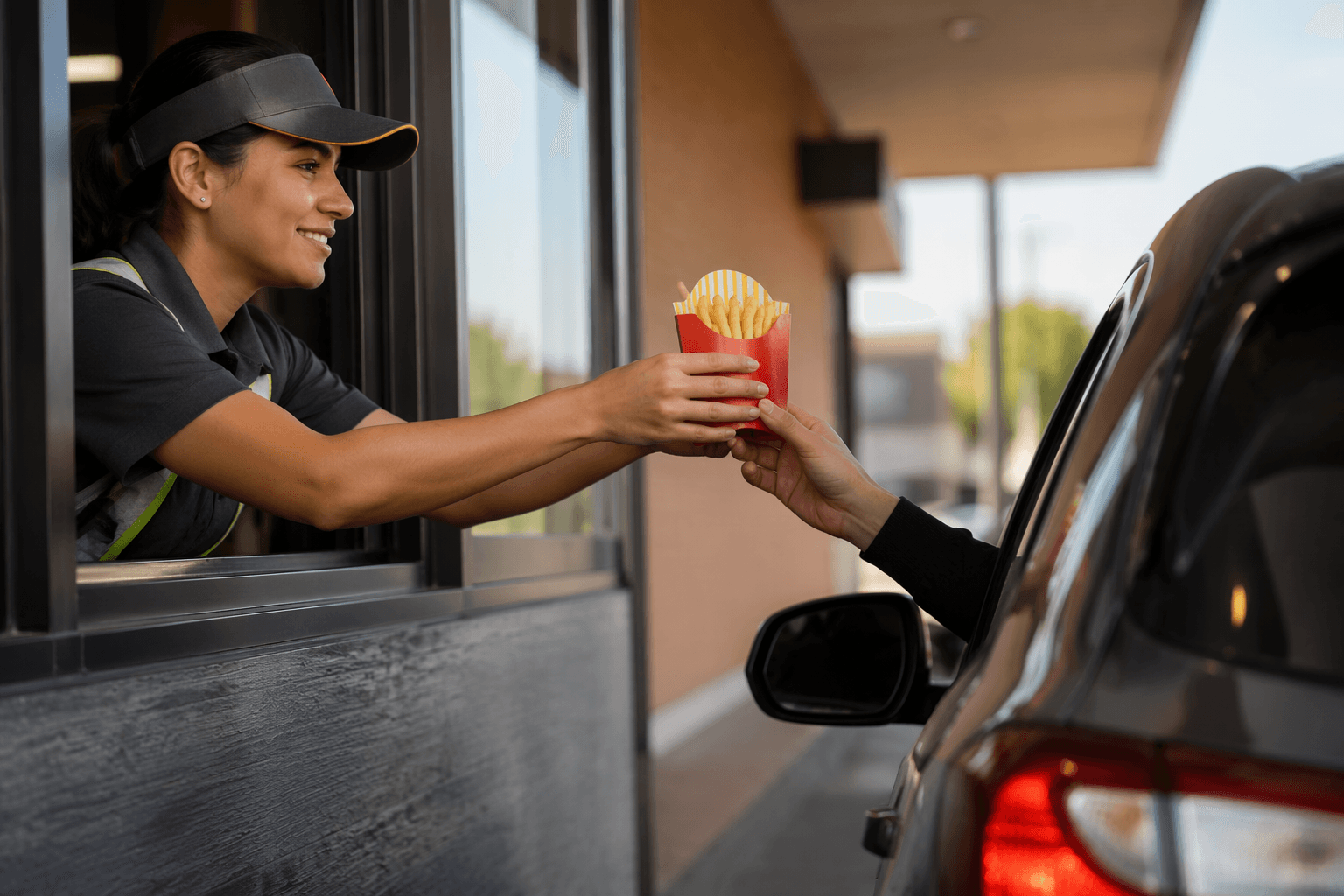
The restaurant labor market is no longer in the acute pandemic shortage phase, but it is still far from settled. Eating and drinking places added 17,200 jobs in April after a revised gain of 11,500 in March, yet that followed a February drop of 38,800 jobs, the largest monthly decline since December 2020. For McDonald’s crews and managers, that means hiring is improving only slowly, and the day-to-day grind of filling shifts has not gone away.
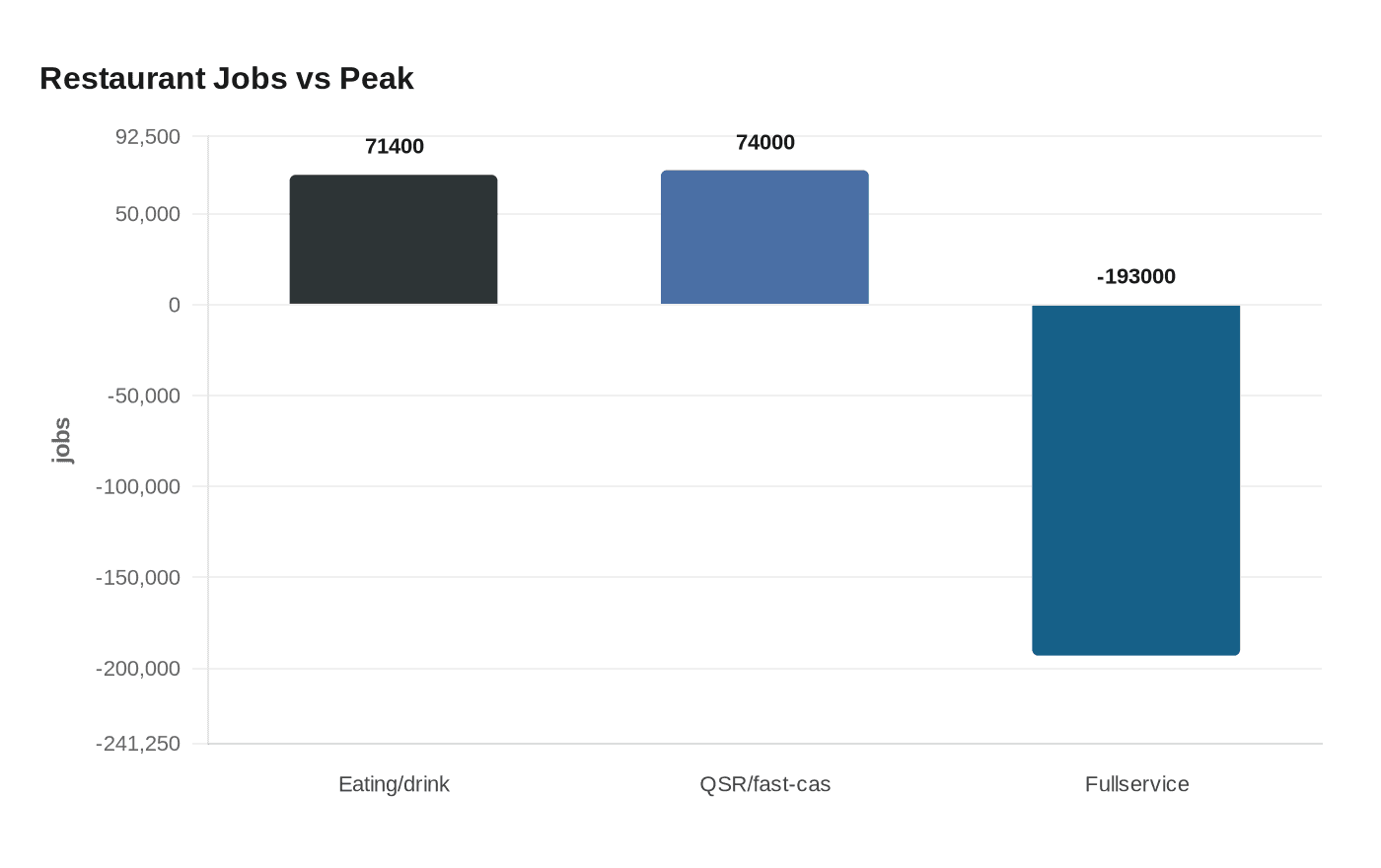
The National Restaurant Association said eating and drinking places were just 71,400 jobs, or 0.6%, above their February 2020 peak as of April. In the narrower segment where McDonald’s competes most directly, quick-service and fast-casual restaurants were 74,000 jobs, or 1.6%, above pre-pandemic levels as of March. Fullservice restaurants were still 193,000 jobs below their pre-pandemic reading. That split matters on the ground: some chains can hire a little more easily, but the broader industry still has uneven staffing, uneven demand and uneven pressure on managers to cover openings without burning out the people already on payroll.
That is the backdrop for McDonald’s first-quarter results, which showed the company still drawing traffic even as it warned about consumer strain. McDonald’s reported global comparable sales growth of 3.8%, global systemwide sales up 11% to more than $34 billion, and U.S. comparable sales up 3.9%. But chief executive Chris Kempczinski said the consumer environment is “certainly not improving” and may be “getting a little bit worse.” The company also said elevated gas prices tied to the U.S. war with Iran are hitting low-income consumers disproportionately, a sign that the same inflation pressure squeezing households may also be squeezing restaurant schedules.
For workers, that combination can cut both ways. A labor market that is still short of fully normal can give crew members more leverage when stores need help, especially as restaurant job openings have moved back roughly in line with the 2017-to-2019 norm of 835,000 a month. But the same weak consumer backdrop can leave restaurants cautious about staffing up too aggressively, which is where the old frustrations return: short shifts, split schedules, and managers trying to cover a rush without enough people on the floor. McDonald’s said it took $47 million in pre-tax restructuring charges in the quarter tied to “Accelerating the Organization,” underscoring that even while sales are growing, the company is still managing costs tightly. The result is a labor market that is better than the worst of the staffing crunch, but still choppy enough that steadier hours remain anything but guaranteed.
This article was produced by Prism’s automated news system from verified source data, official records, and press releases, then run through automated quality and moderation checks before publishing. The system is built and supervised by the people who set the standards it runs under. Read our full AI policy.
Did this article answer your question?