McDonald’s faces tighter food safety scrutiny after outbreak lawsuits
McDonald’s E. coli outbreak sparked the first Cook County lawsuit, after 49 illnesses in 10 states and one death forced stores to tighten cleanup and sick-call practices.
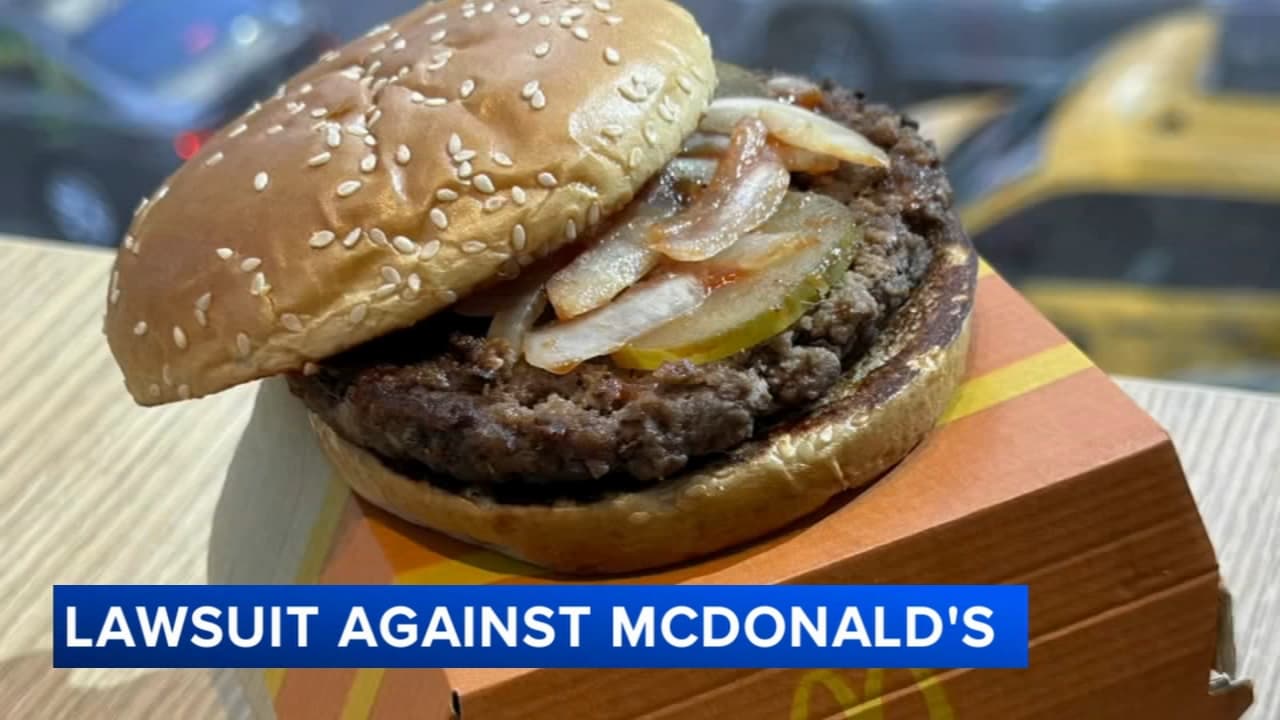
A Colorado resident's lawsuit against McDonald’s over an E. coli outbreak tied to Quarter Pounders put the chain’s kitchen routines under a legal microscope. The outbreak left at least 49 people sick in 10 states, hospitalized 10 and killed one, and more claims quickly followed in Cook County, Illinois.
Eric Stelly filed the first known suit in Cook County Circuit Court, where McDonald’s is headquartered. The case was brought by Ron Simon & Associates, and a separate proposed class action later sought more than $5 million for customers nationwide, alleging McDonald’s failed to disclose a contamination risk. Another filing also named Taylor Farms Colorado, sharpening attention on the supplier side of the chain’s food system.
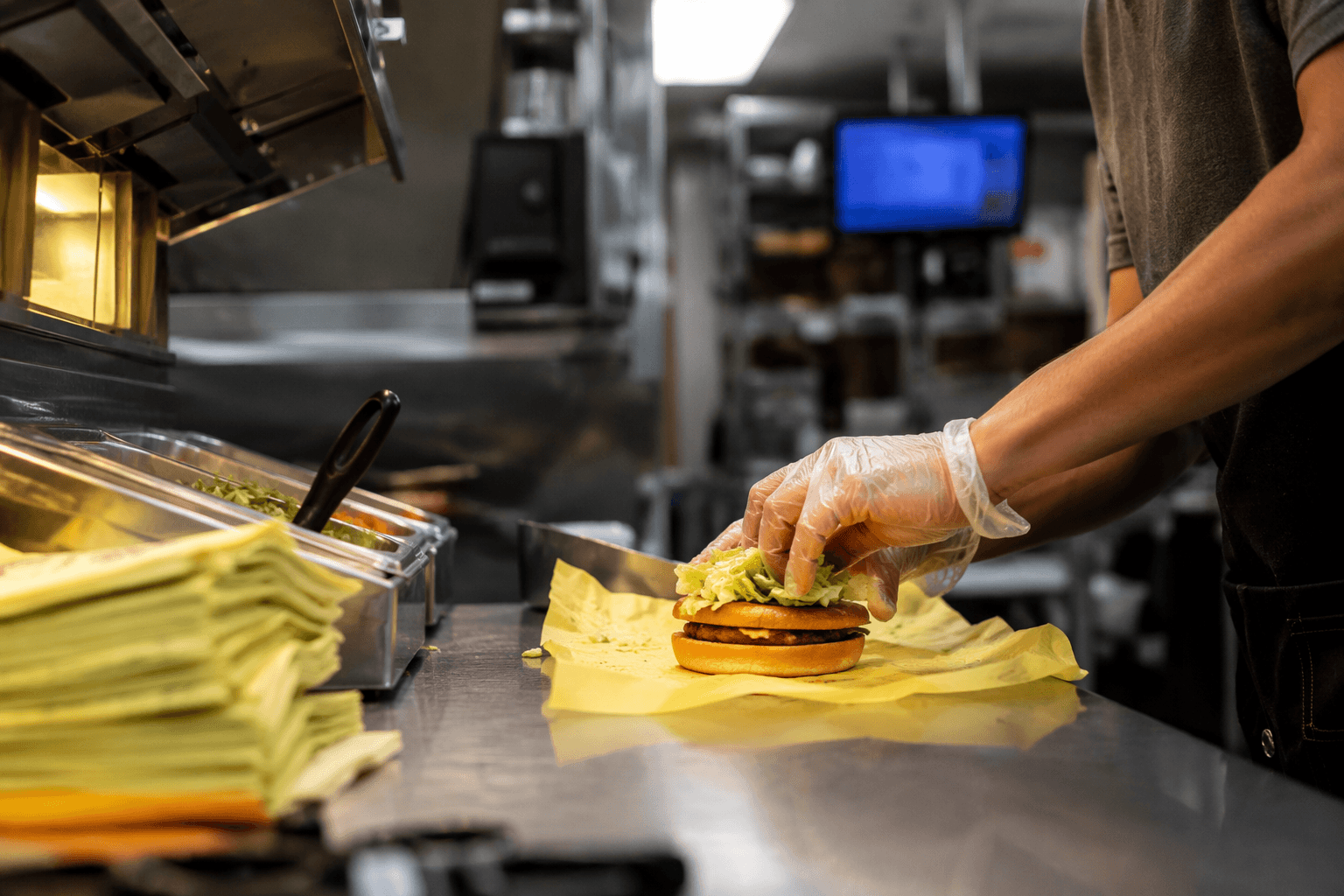
Public health officials later said fresh, slivered onions served on Quarter Pounders and other menu items were the likely source of the outbreak, and McDonald’s and Taylor Farms removed onions from food service locations. That kind of finding matters on the floor because once an outbreak hits, the pressure shifts from selling burgers fast to proving every step of prep was followed, from hold times to sanitation logs.
Across restaurant chains, foodborne illness cases have repeatedly triggered recalls, lawsuits and tighter controls. A Reuters factbox on restaurant outbreaks counted 800 outbreaks across 875 restaurants, with norovirus and salmonella the most common causes. For McDonald’s crew members, that kind of scrutiny usually shows up as more handwashing, more product checks, less tolerance for shortcuts, and faster reporting when a delivery looks off or equipment fails.
It also puts managers in a bind that McDonald’s workers know well: send a sick employee home and risk understaffing, or keep the line moving and risk making the next cleanup log or incident report part of a lawsuit. In franchised stores, the paper trail can matter as much as the food itself, because claims can reach the brand, franchisees and suppliers at the same time. That leaves crews and shift leaders with more documentation, more inspections and less room for the kind of make-do decisions that too often fill gaps on a busy line.
This article was produced by Prism’s automated news system from verified source data, official records, and press releases, then run through automated quality and moderation checks before publishing. The system is built and supervised by the people who set the standards it runs under. Read our full AI policy.
Did this article answer your question?