McDonald’s faces tighter hiring as June labor market cools
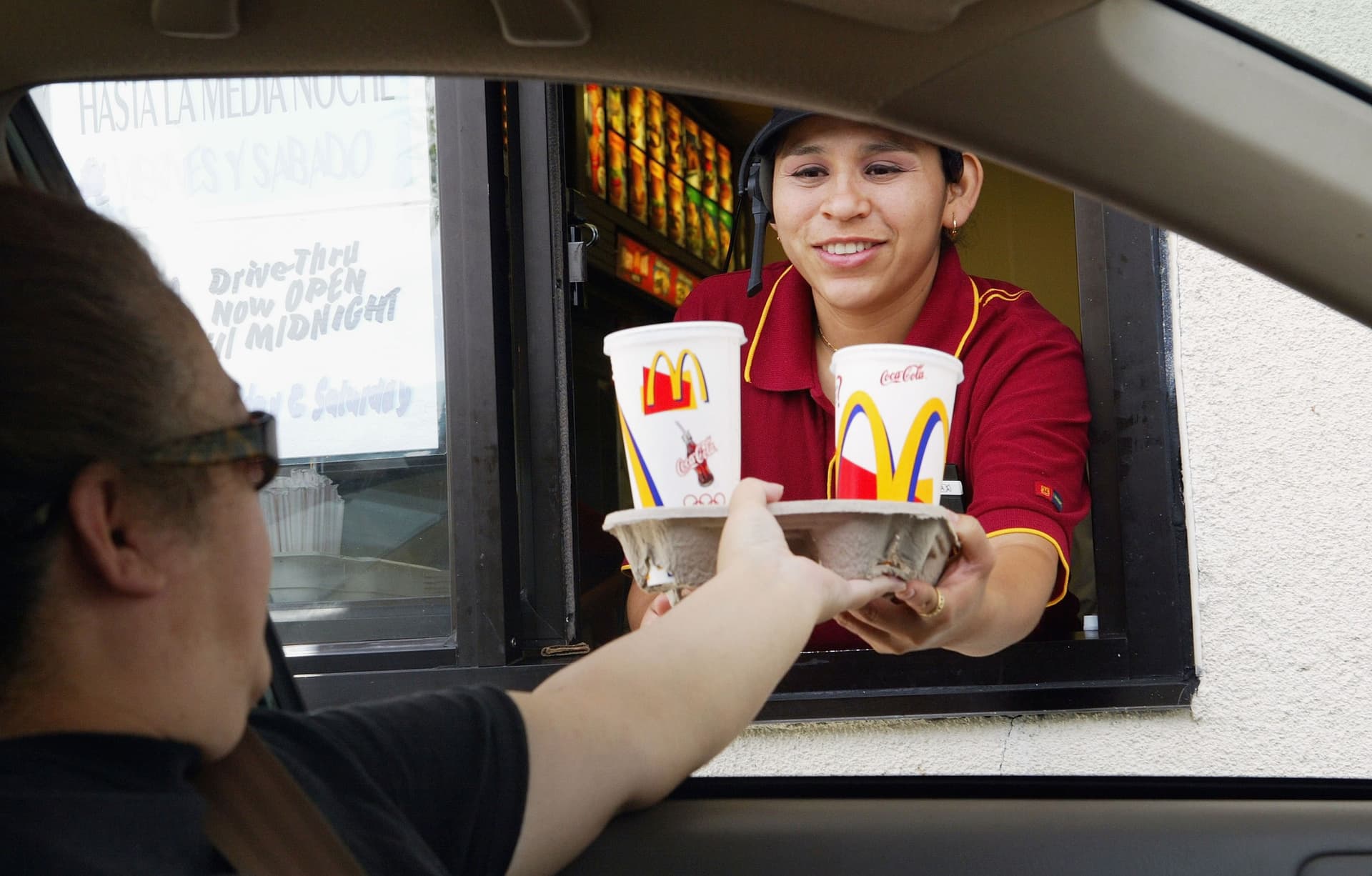
June added only 57,000 jobs, and restaurants lost jobs as McDonald’s operators headed into summer with fewer workers to pull from.

The U.S. labor market added just 57,000 nonfarm payroll jobs in June, and leisure and hospitality lost jobs, a combination that tightens the hiring market right as McDonald’s stores move into their busiest stretch of the year. The unemployment rate held at 4.2%, but the labor-force participation rate slipped to 61.5%, leaving fewer people in the pool managers can recruit from when a fryer station opens up or a drive-thru shift falls apart.
For McDonald’s crew members and shift leaders, that usually changes the balance of power on the floor. When hiring gets harder, a store leans more heavily on the people who already know the menu build, the headset rhythm and the lunch-rush handoff. It can also make scheduling more rigid, because every missed hire puts more pressure on the same small group to cover open slots, cross-train faster and keep service moving without constant retraining. Average hourly earnings still rose 0.3% in June and 3.5% over the year, which keeps pay competition alive even when overall hiring slows.
The restaurant industry’s summer outlook points in the same direction. The National Restaurant Association projected that restaurants would add 450,000 seasonal jobs this summer, down from 469,000 last summer, and said it would be the third straight year that summer restaurant hiring stayed below 500,000. The group also said the industry’s prime labor pool of teenagers and young adults is not as deep as it was last summer, a reminder that the first-job pipeline restaurants depend on is getting less reliable just as demand rises.
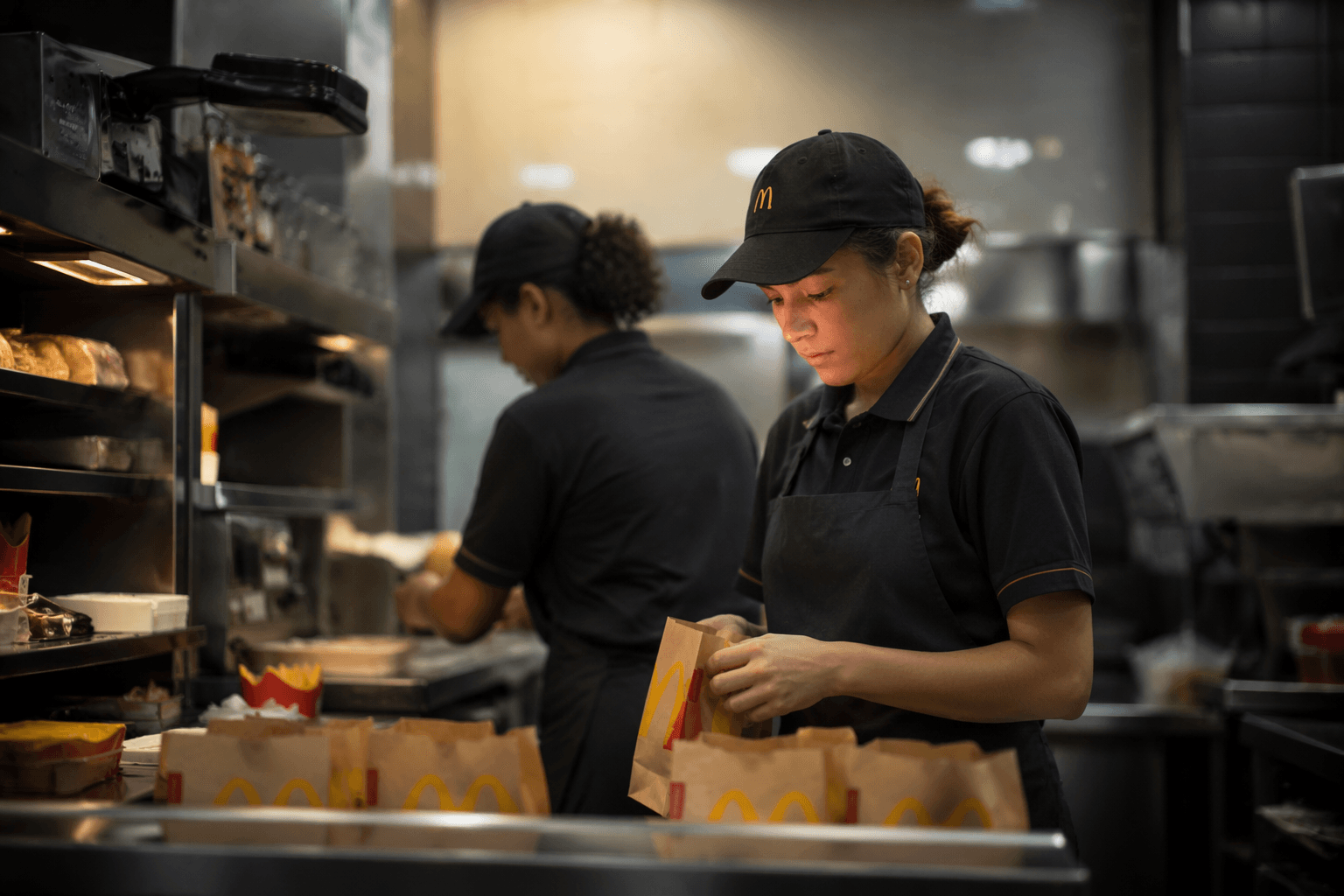
That matters at McDonald’s because the chain still sits in the middle of that pipeline. The restaurant industry employs 15.7 million people, about 10% of the U.S. workforce, and 51% of adults say their first regular job was in restaurants and foodservice. The National Restaurant Association said eating and drinking place employment was nearly 153,000 jobs, or 1.2%, above February 2020 levels in May, while fullservice restaurant employment remained 187,000 jobs, or 3.3%, below pre-pandemic levels in April.
McDonald’s has been pushing growth anyway. In June, the company said it had unveiled a new global growth strategy while dealing with high gas prices, elevated inflation and a smaller pool of customers. It has also been planning to open about 750 restaurants in the U.S. and its international operated markets, plus more than 1,800 in licensed and affiliate markets elsewhere. In a softer labor market, that kind of expansion does not just test demand. It tests whether operators can hire enough reliable people to keep stores staffed without burning through the crews they already have.
This article was produced by Prism’s automated news system from verified source data, official records, and press releases, then run through automated quality and moderation checks before publishing. The system is built and supervised by the people who set the standards it runs under. Read our full AI policy.
Did this article answer your question?