McKinsey outlook shows McDonald’s crews facing faster, more complex shifts
McDonald’s is turning value into a shift-level test: more traffic from deals, more pressure from multiple channels, and less room for slow handoffs.
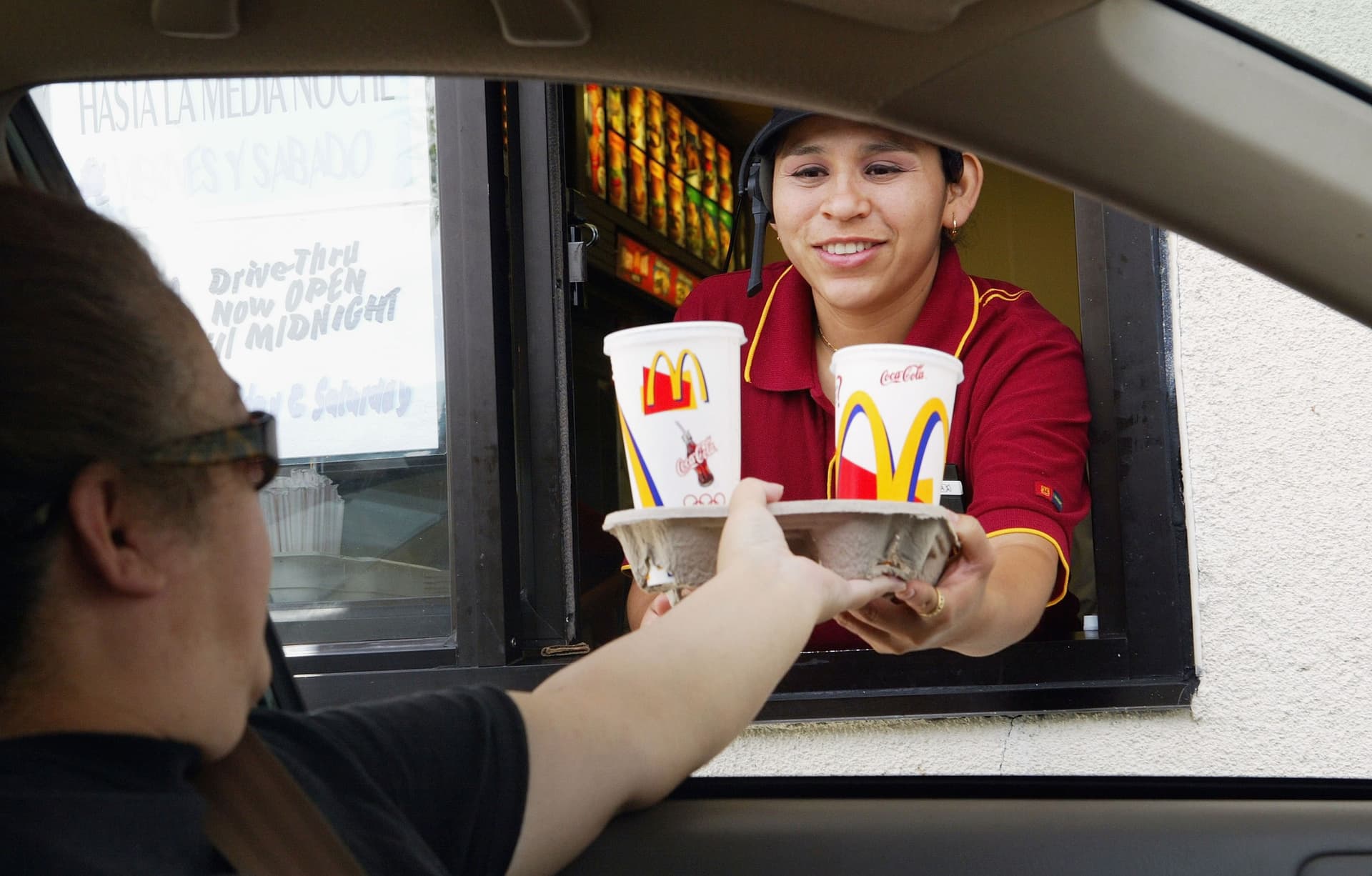
At McDonald’s, deals, bundles, and lower-priced menus are pulling customers back in and putting more pressure on crews to keep drive-thru, pickup, and delivery from colliding. Persistent inflation, tariffs, and economic uncertainty are forcing diners to rethink the value of every restaurant visit, McKinsey wrote in its Jan. 8, 2026 outlook. Cost consciousness, shifting tastes, and channel choices are deciding how many people walk in and which orders hit the kitchen at once.
Value is now an operating problem
For McDonald’s, the value conversation is no longer abstract brand positioning. It is showing up in the kind of traffic that arrives when deals, bundles, and lower-priced menus pull customers back in, then pressure the line to keep moving.
McDonald’s has been unusually direct about that connection. In its fourth-quarter and full-year 2025 results, Chris Kempczinski said, “McDonald's value leadership is working,” and tied that to improved traffic and stronger value-and-affordability scores. Global systemwide sales rose 8% in that period. McDonald’s credited compelling value, standout marketing, and menu innovation for 6% global systemwide sales growth in the second quarter of 2025. For crews, those numbers translate into busier spikes around offers that do bring people in, but also demand tighter execution once they arrive.
On the floor, value changes the daypart mix
When value matters more, the busiest hour is not just busier. It is different. Promotions and bundles can pull in customers who might otherwise skip a visit, which means managers have to be more precise about when they staff up and where they place people during each daypart. A breakfast rush, a lunch surge, and a late-night value crowd do not create the same work, even if they all look like “high traffic” from above.
More value-driven traffic can mean more small orders, more custom requests, and more pressure to keep the line moving without letting quality slip. It also means the kitchen has less tolerance for dead time, because a menu designed to feel affordable still has to feel fast and reliable once the guest reaches the speaker box or counter.
Channel choices make every shift harder to run
Changing channel choices make the floor complicated fast. McDonald’s crews are not just serving one line anymore. They are balancing counter orders, drive-thru orders, delivery handoffs, and mobile pickup at the same time, and each channel has its own timing, bottlenecks, and failure points.
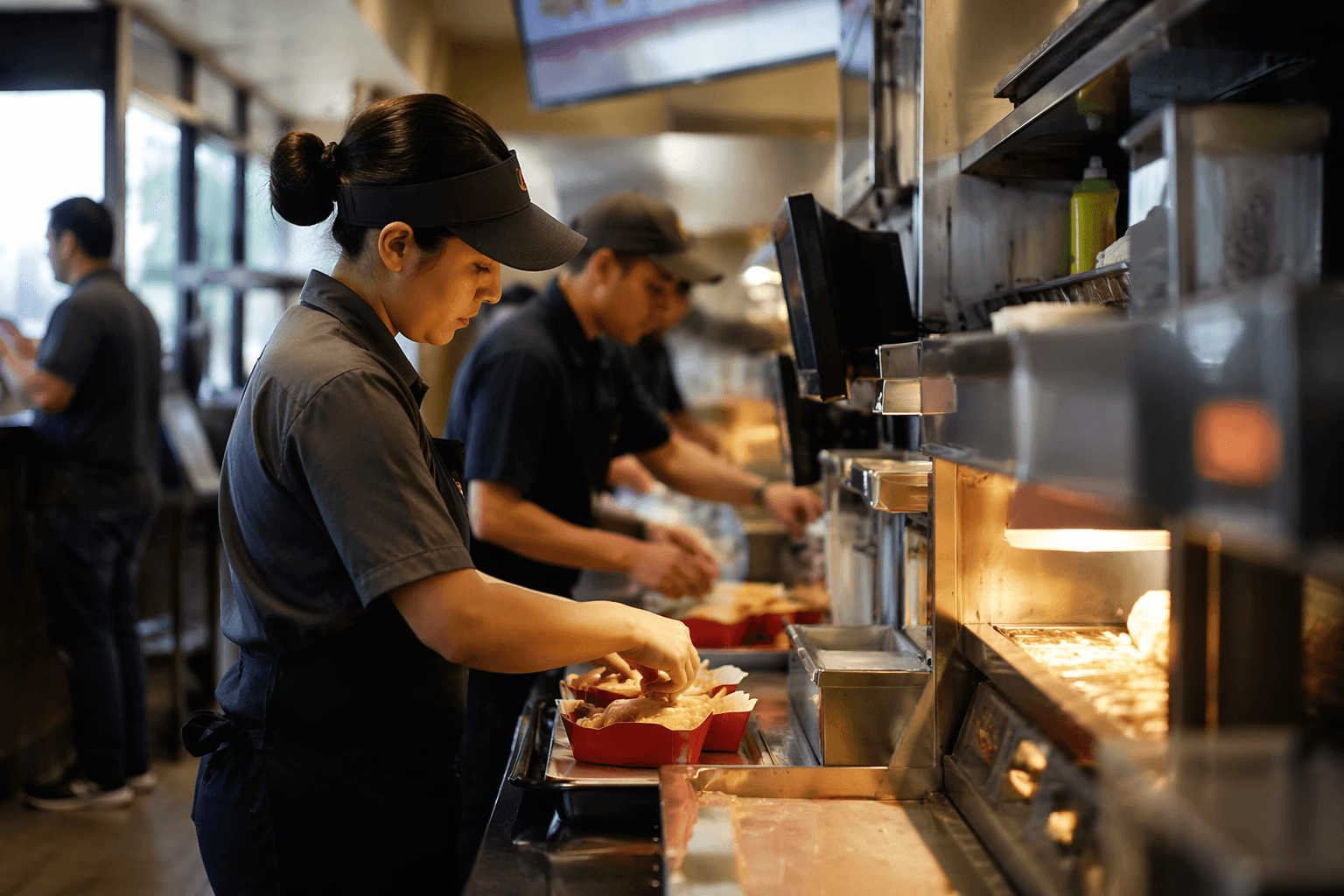
A manager who puts too many people on one lane and not enough on delivery staging can make the whole restaurant feel slower even when the labor count looks fine on paper.
McValue shows how strategy becomes workload
McDonald’s McValue platform makes that shift concrete. The company announced the platform on Nov. 22, 2024 and launched it nationwide on Jan. 7, 2025, with an everyday value menu and a Buy One, Add One for $1 offer. That kind of pricing is not just a marketing move. It changes the pattern of what comes through the system, how often guests trade up or down, and how much variation the kitchen has to absorb.
For employees, the issue is not just that there are more value items on the board. Affordability has become a menu strategy that can alter ticket mix in real time. A deal that works at the corporate level still has to be executed during lunch rush with the same person bagging delivery orders, the same crew member pulling fries, and the same manager trying to keep service times from drifting when mobile orders stack up.
The company is reorganizing around speed of execution
McDonald’s did not stop at menu pricing. On March 11, 2025, it created a new Restaurant Experience Team to move vision and big ideas into execution faster. The bottleneck is not just demand generation but translating ideas into smoother shifts, cleaner handoffs, and fewer moments where one channel slows the rest of the restaurant down.
McDonald’s 2025 annual report described persistent inflationary pressures, tighter labor markets, and economic uncertainty weighing on consumer sentiment, especially among lower-income households, and linked those pressures to the importance of value, familiarity, and trust.
This article was produced by Prism’s automated news system from verified source data, official records, and press releases, then run through automated quality and moderation checks before publishing. The system is built and supervised by the people who set the standards it runs under. Read our full AI policy.
Did this article answer your question?

