McDonald’s field operations consultants inspect standards, food safety, performance
McDonald’s field operations consultants are the company’s frontline compliance layer, judging food safety, equipment, speed, and brand standards inside restaurants.
What the consultant role really does
McDonald’s field operations consultant is built less like a mentor who pops in for a chat and more like an accountability check embedded in the system. Current postings say the role conducts objective restaurant standards evaluations, including Operations Excellence Assessments, Food Safety visits, National Restaurant Building and Equipment Standards assessments, Running Great Restaurants Visits, and Health & Safety Visits.
That mix matters because it shows how McDonald’s defines “standards” in practice. The consultant is not only looking at whether the dining room is tidy or the drive-thru is moving. The job also asks whether the restaurant is meeting food-safety rules, keeping equipment in shape, protecting the customer experience, and preserving the brand’s image in ways that a district manager, a franchisee, and a crew on a slammed lunch shift all feel differently.
A systems job, not a drive-by visit
The clearest way to understand the consultant’s function is to see it as a bridge between corporate expectations and restaurant reality. McDonald’s says the role is part of a broader operations skill set built through ongoing assessment, training, and development, which means the visit is supposed to do more than file a score. It is meant to identify gaps, correct them, and reduce the chance that the same problem keeps coming back.
That distinction matters on the floor. A consultant who flags weak line discipline, inconsistent food handling, or equipment breakdown is effectively shaping what managers prioritize next, from shift coaching to repair requests to retraining. For crew members, that can mean the difference between a store that quietly tolerates shortcuts and one where standards are actively enforced.
Why McDonald’s invests so much in monitoring
The consultant role sits inside a company that operates at enormous scale. McDonald’s says it has restaurants in more than 100 countries and serves about 70 million customers daily. At that size, the company’s operational reputation depends on consistency, and McDonald’s has said its strategy rests on a foundation of “running great restaurants.”
The company’s food-safety framework points in the same direction. McDonald’s says its global food-safety strategy centers on customer focus, aligned standards, and leadership. It also says restaurants receive onsite third-party food-safety audits twice a year, with food-safety coaching visits available for deeper dives into areas of interest. Taken together, that shows the field operations consultant is not a standalone enforcer. The role is one layer in a formal inspection and coaching structure designed to keep stores aligned across a vast, franchise-heavy system.
What gets checked in real restaurant terms
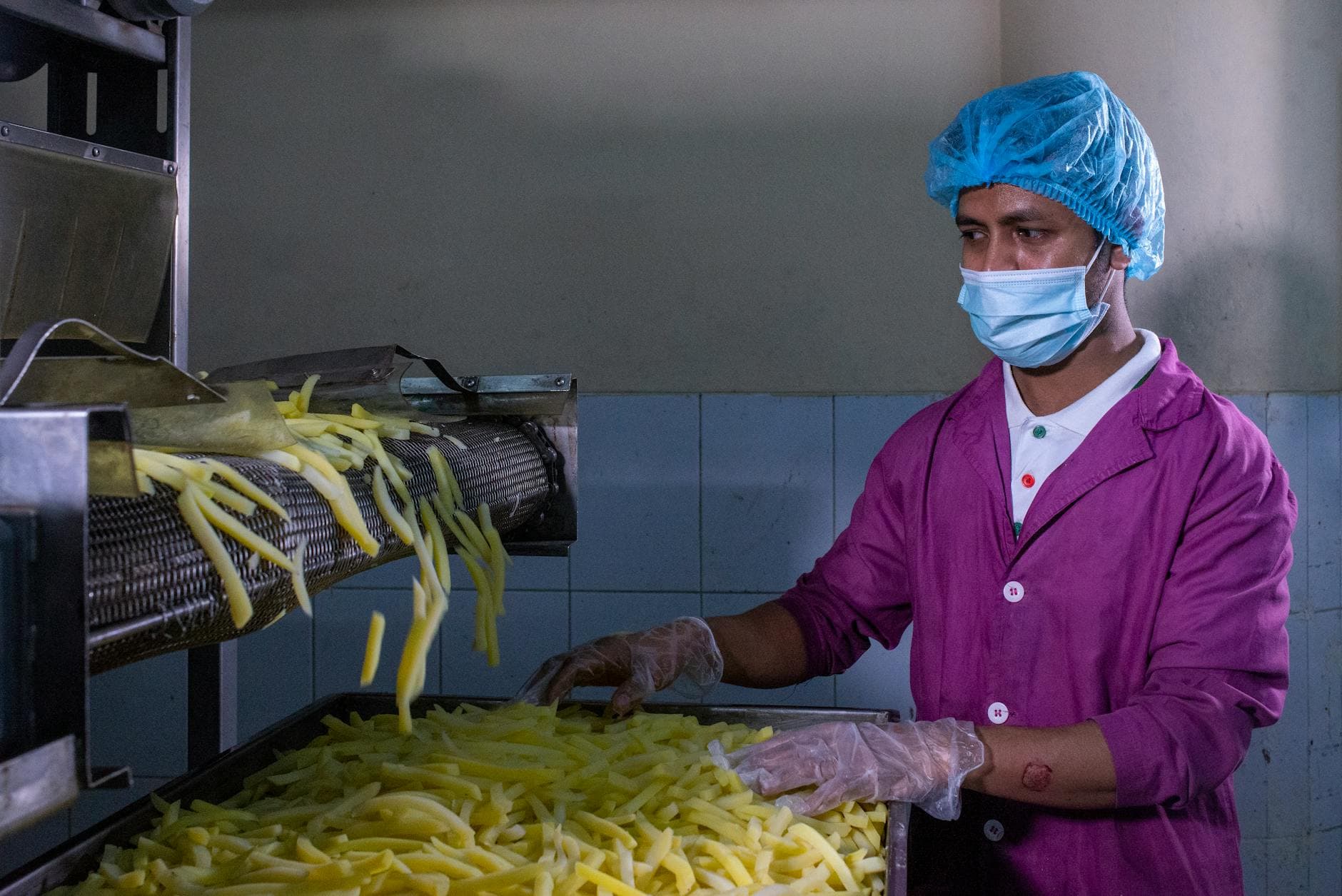
For the people actually working the shifts, the consultant’s list of priorities translates into familiar pressure points. A store can look fine on the surface and still fail on the things that matter most to corporate reviewers, like sanitation routines, temperature control, equipment condition, or whether a line is set up to move guests without cutting corners.
A store manager who treats the visit seriously will usually use it as a rehearsal for the hardest parts of the job:
- keeping the line moving without sacrificing accuracy
- maintaining equipment before breakdowns turn into service failures
- coaching the crew on food safety and health-and-safety routines
- watching for customer-experience problems before they become brand problems
- making sure standards hold even during rushes, call-outs, or labor shortages
That is where the consultant’s influence becomes operational rather than symbolic. The visit can reshape staffing priorities, training plans, and the daily definition of what “good enough” looks like.
How the role fits McDonald’s broader corporate reset
McDonald’s has also been reorganizing how it thinks about restaurant execution at the corporate level. In its 2024 Annual Report, the company said it evolved its Customer Experience Team into the Restaurant Experience Team, led by Jill McDonald. That team includes Operations, Supply Chain, Franchising, Development, Restaurant Design, Delivery, and Speedee Labs.
That structure is telling. Instead of treating operations, design, delivery, and franchising as separate lanes, McDonald’s has pulled them closer together around how the restaurant actually performs. The field operations consultant sits right in that zone, where corporate priorities meet the day-to-day reality of labor, equipment, and guest flow. In a company where franchise and corporate interests can pull in different directions, this kind of field oversight is one of the main ways McDonald’s keeps a uniform standard in place.
Speed, safety, and the pressure to perform
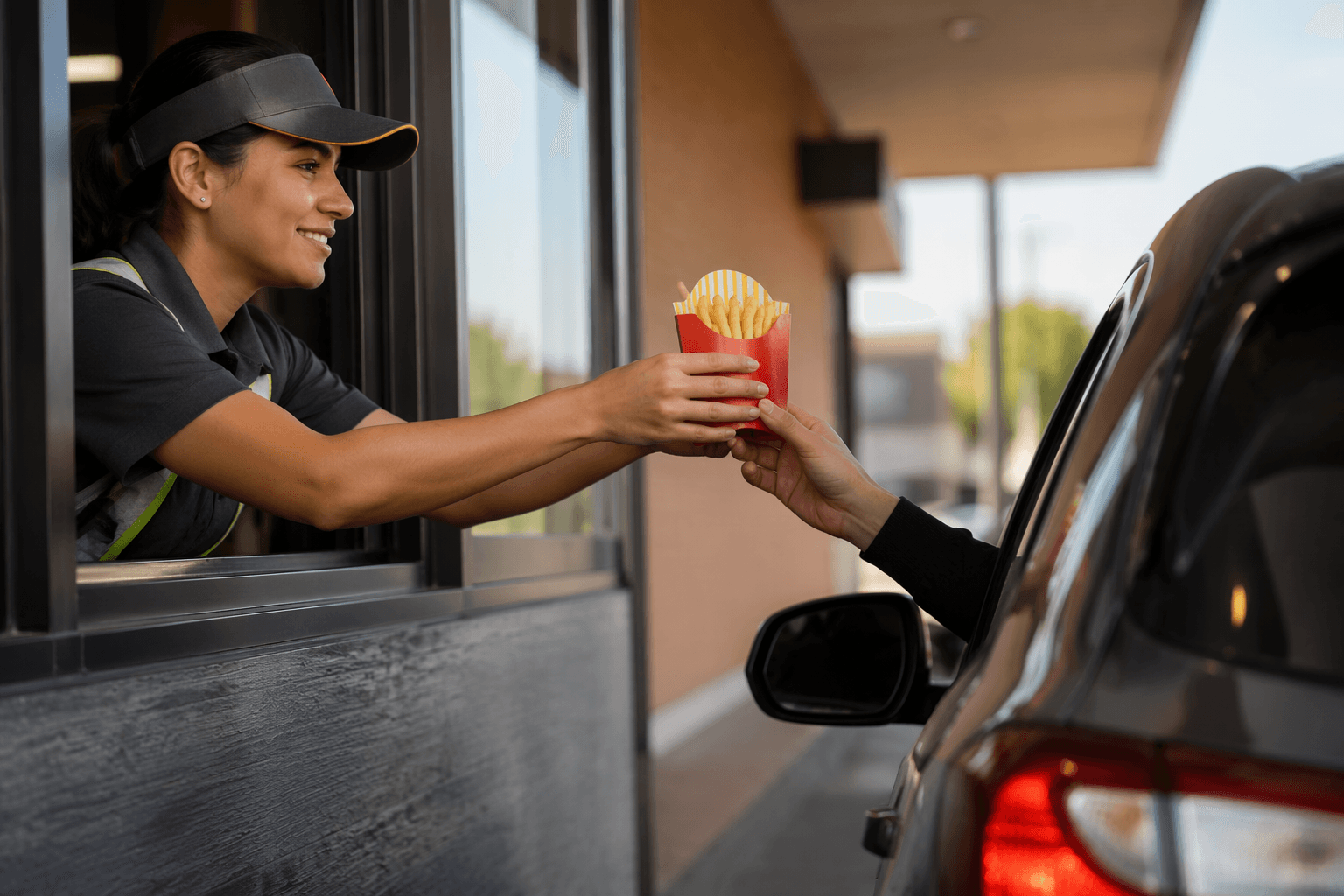
McDonald’s has long linked execution to competitive advantage, and the numbers show why. The company previously said it reduced drive-thru service times by about 30 seconds over two years in its largest markets on average. That may sound small, but in quick service, seconds are labor, throughput, and customer satisfaction all at once.
Field operations work becomes more consequential in that kind of environment. If a consultant finds a store moving too slowly, running unsafe, or losing control of quality under pressure, the problem is not just internal. It affects how McDonald’s competes, how franchisees manage labor, and how crew members experience the job. The push for speed can improve consistency when it is matched by training and support, but it can also squeeze out time for safety unless the company enforces both at once.
What workers should take from the visits
For managers and crew, the practical lesson is that a consultant visit is not random and should not feel mysterious. McDonald’s has built the role around structured evaluation, food-safety oversight, equipment standards, and brand protection. If the store is prepared, the visit can validate good habits and expose weak ones before they become repeat failures.
That is the real power dynamic here. Field operations consultants are one of the company’s tools for turning corporate promises into floor-level behavior, and they do it by checking the basics that affect staffing, training, food safety, and the pace of the shift. In a system as large as McDonald’s, that kind of oversight is not a side task. It is part of how the chain keeps control of the restaurants that define its brand.
This article was produced by Prism’s automated news system from verified source data, official records, and press releases, then run through automated quality and moderation checks before publishing. The system is built and supervised by the people who set the standards it runs under. Read our full AI policy.
Did this article answer your question?