McDonald's food safety hinges on temperature checks, FDA says
Temperature checks are the difference between a clean shift and a contamination headache, and McDonald’s says daily checks and handwashing are part of the job.
Temperature is the line between safe service and a mess
In a McDonald’s kitchen, the fastest way to create a food safety problem is to trust your eyes. The U.S. Food and Drug Administration says a food thermometer is the only way to make sure meat, poultry, seafood, and egg products reach a safe minimum internal temperature, and that matters on a line built for speed. When the grill is moving, the fry station is stacked, and the sandwich line is trying to keep up, temperature checks are not extra paperwork. They are the habit that turns food safety into a repeatable system.
That is why the FDA’s safe-handling guidance lands so hard for restaurant crews: cooking food “until it looks done” is not enough. The agency says food must hit the right internal temperature to destroy harmful bacteria, and McDonald’s builds that same logic into its own food safety program, from sourcing and menu development through packaging, distribution, and restaurant operations. For employees, that means the thermometer is not a backup tool. It is part of production.
What the right temperatures actually mean on shift
The FDA’s safe temperature chart gives crews a clear standard to work from. Ground meat needs to reach 160°F. Poultry, stuffing, leftovers, and casseroles need 165°F. Beef, pork, veal, and lamb chops, roasts, and steaks can be safe at 145°F if they rest for three minutes. Cold food needs to be stored at 40°F or below to slow bacterial growth.
Those numbers matter because they take guesswork out of busy service periods. A patty that looks browned can still miss the mark, and chicken that looks finished can still be unsafe if it has not reached the correct internal temperature. On the grill, that means checking product the same way every time. At the fry station and sandwich line, it means protecting hot holding and cold holding so the next order does not start from a contaminated or temperature-abused product.
The habits that keep raw food from touching ready-to-eat food
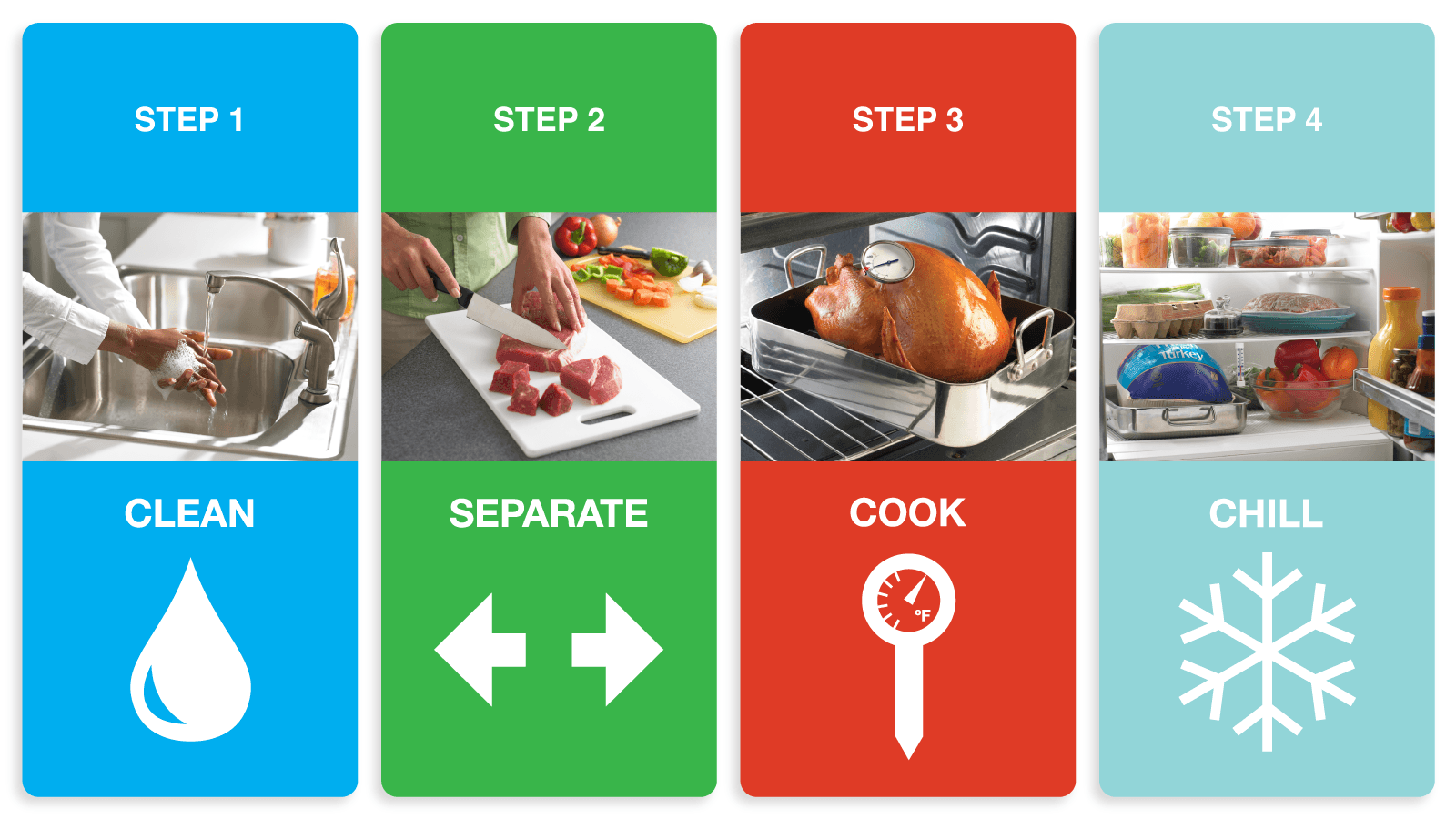
The Centers for Disease Control and Prevention says raw meat, poultry, seafood, and eggs can spread germs to ready-to-eat food unless they are kept separate. That warning is not abstract in a McDonald’s restaurant. It plays out any time one station is crowded, one set of hands is moving too fast, or one utensil gets used where it should not.
- Keep raw product and ready-to-eat food separate at every stage of prep.
- Use clean utensils instead of reaching between raw and finished items.
- Change gloves and wash hands when moving between tasks that can spread contamination.
- Keep work surfaces clean enough that the sandwich line does not inherit a mess from the grill or prep area.
The most useful shift habits are the simplest ones:
These steps are about speed as much as safety. A line that stays organized spends less time fixing mistakes, remaking orders, and explaining complaints. It also lowers the odds that a manager ends up dealing with a preventable food safety headache during peak rush.
Handwashing is not a side task, it is part of the process
McDonald’s says its food safety approach includes hourly handwashing, and the CDC’s guidance backs up why that matters. Hands should be washed after handling uncooked meat, chicken and other poultry, seafood, flour, or eggs. That is especially important on a shift where one person may move between stations or where a backup on the grill sends someone scrambling to cover another part of the line.
For crew, handwashing is a production step, not a courtesy. It protects the food, but it also protects the worker from the kind of contamination mistake that can trigger a remake, a complaint, or a write-up. In a restaurant where many tasks are repetitive, the temptation is to skip the rinse because the next order is waiting. That is exactly when the system breaks down.
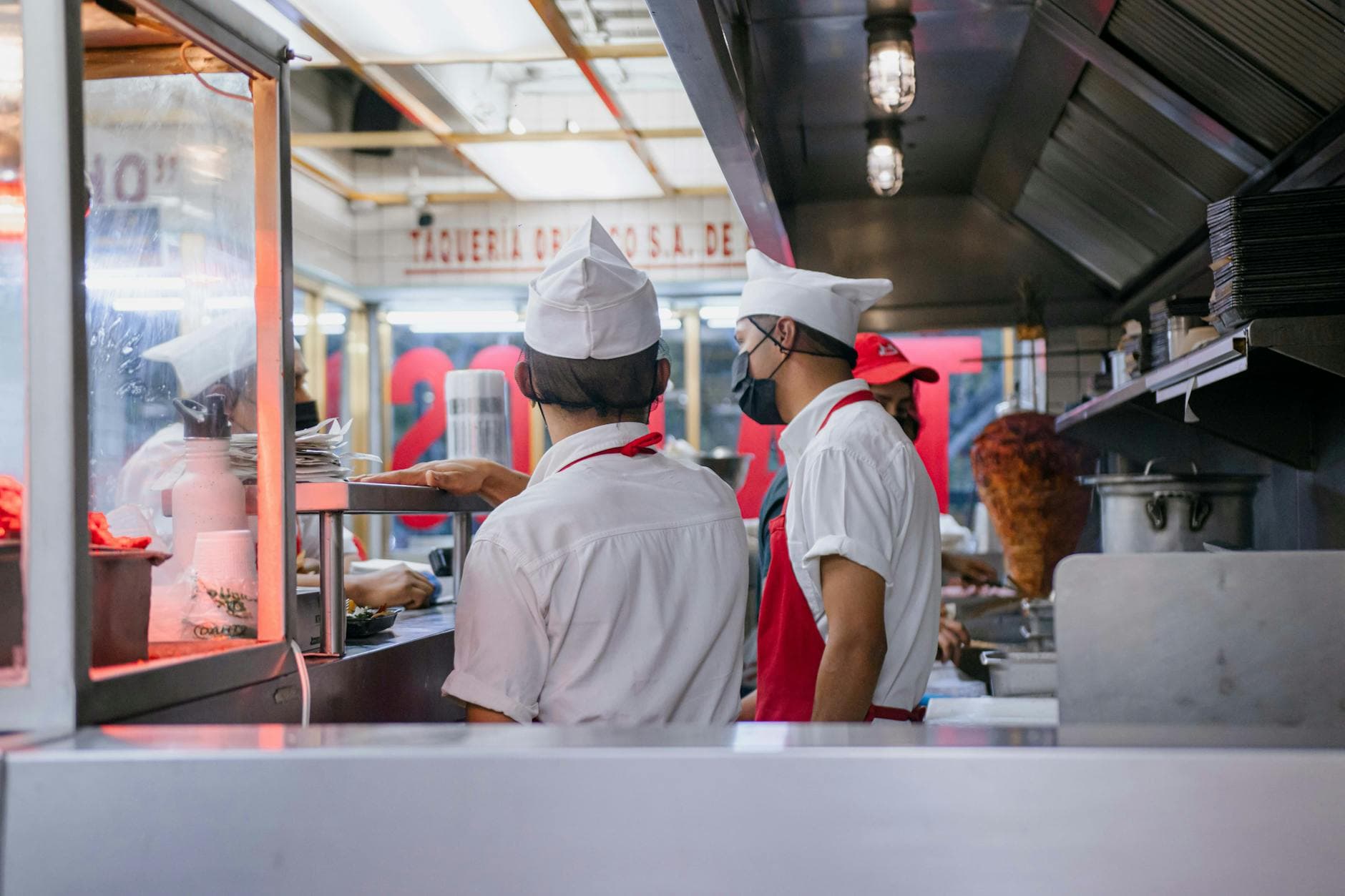
Why McDonald’s tracks this so tightly
McDonald’s says it embeds strict food safety standards and protocols across the business, and it uses third-party audits to verify that key food safety standards and procedures are being followed in restaurants, supplier locations, and distribution centers. The company also says restaurants conduct daily food safety temperature checks for each product type, along with validated cooking temperatures and hourly handwashing.
That structure matters for workers because it means food safety is not just a manager’s talking point. It is built into the way the restaurant is measured. A crew member who checks temps, keeps raw and ready-to-eat food apart, and follows handwashing rules is helping protect the store’s inspection record as much as the customer’s meal. For managers, these habits reduce waste, cut down on remakes, and make training more consistent because the same standards can be taught at every station.
The Food Code sets the broader rulebook
The FDA describes its Food Code as its best advice for a uniform system of provisions for retail and food service, and it marks 2025 as the Food Code’s 30th anniversary. That is worth noting because it shows how long the basic rules of safe restaurant handling have been refined and repeated. This is not a fad or a corporate talking point. It is the standard framework regulators use to guide restaurants and grocery stores.
For McDonald’s teams, the takeaway is straightforward: the rulebook rewards consistency. The store that treats temperature checks, cold holding, separation, and handwashing as fixed parts of the job is less likely to spend a shift dealing with waste, customer complaints, or corrective action. In a restaurant built on repeatable service, food safety works the same way. The crew that treats those habits as non-negotiable is the crew that keeps the line moving without creating problems that show up later in an audit, a complaint, or a manager’s report.
This article was produced by Prism’s automated news system from verified source data, official records, and press releases, then run through automated quality and moderation checks before publishing. The system is built and supervised by the people who set the standards it runs under. Read our full AI policy.
Did this article answer your question?