McDonald’s franchise handbook outlines training, pay, harassment policies, job rotation
A McDonald’s handbook can tell you how a shift really works, from station rotation and pay to harassment reporting, before a bad day becomes a bigger problem.
The handbook is the first real rulebook
At McDonald’s, the most important workplace document is often the one crew members read before their first solo shift. That matters because McDonald’s said it had more than two million employees and crew worldwide in 2024, and about 95% of its 43,477 restaurants were franchised, which means most frontline workers are answering to a local owner-operator, not a corporate office.
That is why a franchise handbook can do two jobs at once: it teaches the work and it quietly tells you what standards the store is supposed to follow. In the Lutito McDonald’s handbook, the point is plain. The manual says it is meant to help employees become acquainted with the restaurant, its customers, and how it operates, and it lays out job requirements, wage information, sexual harassment in the workplace, and additional resources. For a worker, that is not paperwork. It is the first place to check whether the store is being run the way it says it is.
Job rotation is training, but it also needs support
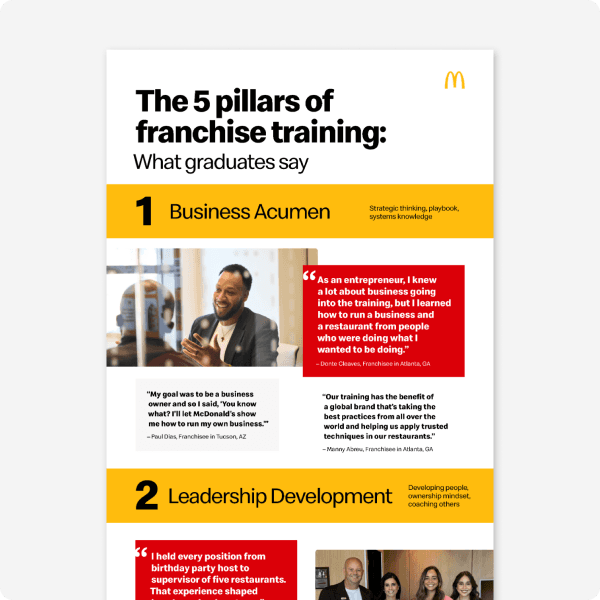
One of the most useful details in the Lutito handbook is its emphasis on job rotation whenever possible. That means crew are meant to learn multiple stations and be ready to fill in where needed, which is typical of fast food work where a lunch rush can turn a quiet shift into a scramble in minutes.
Job rotation can be a real advantage. It makes the shift less repetitive, helps crew build speed across different stations, and can give someone a wider skill set if they want to move up. McDonald’s says many restaurant managers started as crew members, so learning more than one station is not just about surviving a busy hour. It can become the path to promotion.
But rotation is also where bad training shows up fast. If a store rotates you through everything without steady coaching, you can end up learning a whole restaurant at once with no real support. A good handbook should make clear when rotation is part of training, who is supposed to coach you, and what happens if you are being thrown onto a station before you are ready.
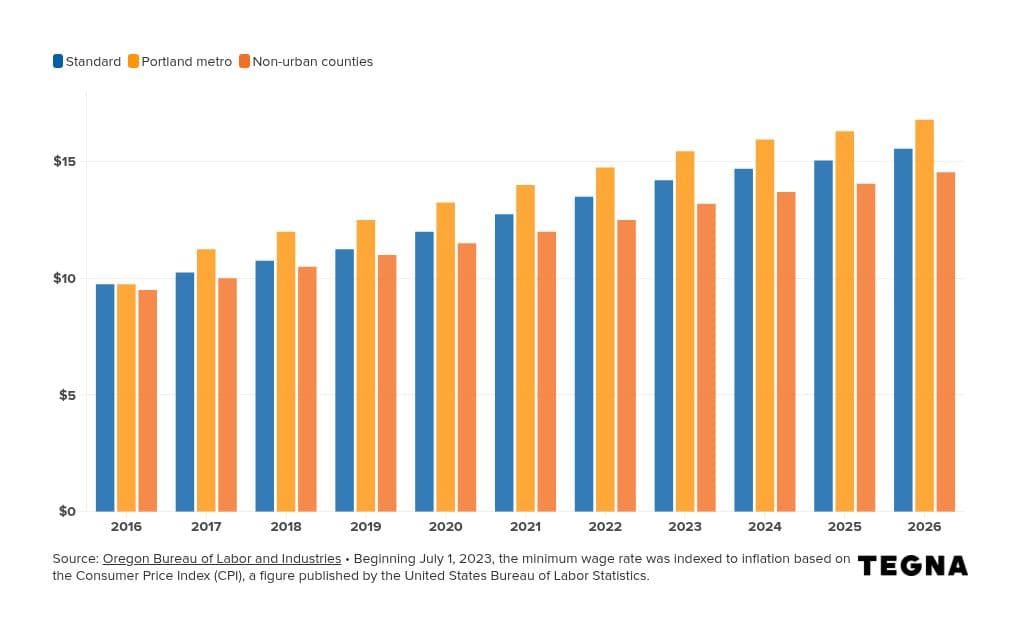
Pay rules should be written down, not guessed at
The Lutito handbook includes wage information, which is one of the most important things a crew member can look for before the first paycheck ever arrives. In a franchised system, this matters even more because local operators often control the day-to-day details that determine how a paycheck feels in practice, from scheduling to training time to who gets moved where.
Workers should read the pay section closely and use it as a baseline for verifying what is happening in the store. If the handbook says one thing about wages, premium pay, or how assignments are handled, but the store operates differently, that mismatch is worth noticing early. The point is not just to know the number on paper. It is to understand how the restaurant explains pay, so that a surprise later is easier to challenge.
That is especially important in a system as large as McDonald’s, where company standards sit on top of local franchise decisions. The handbook is one of the few documents that can translate those broad rules into the reality of your own store.
Harassment policies should not be hidden in the back
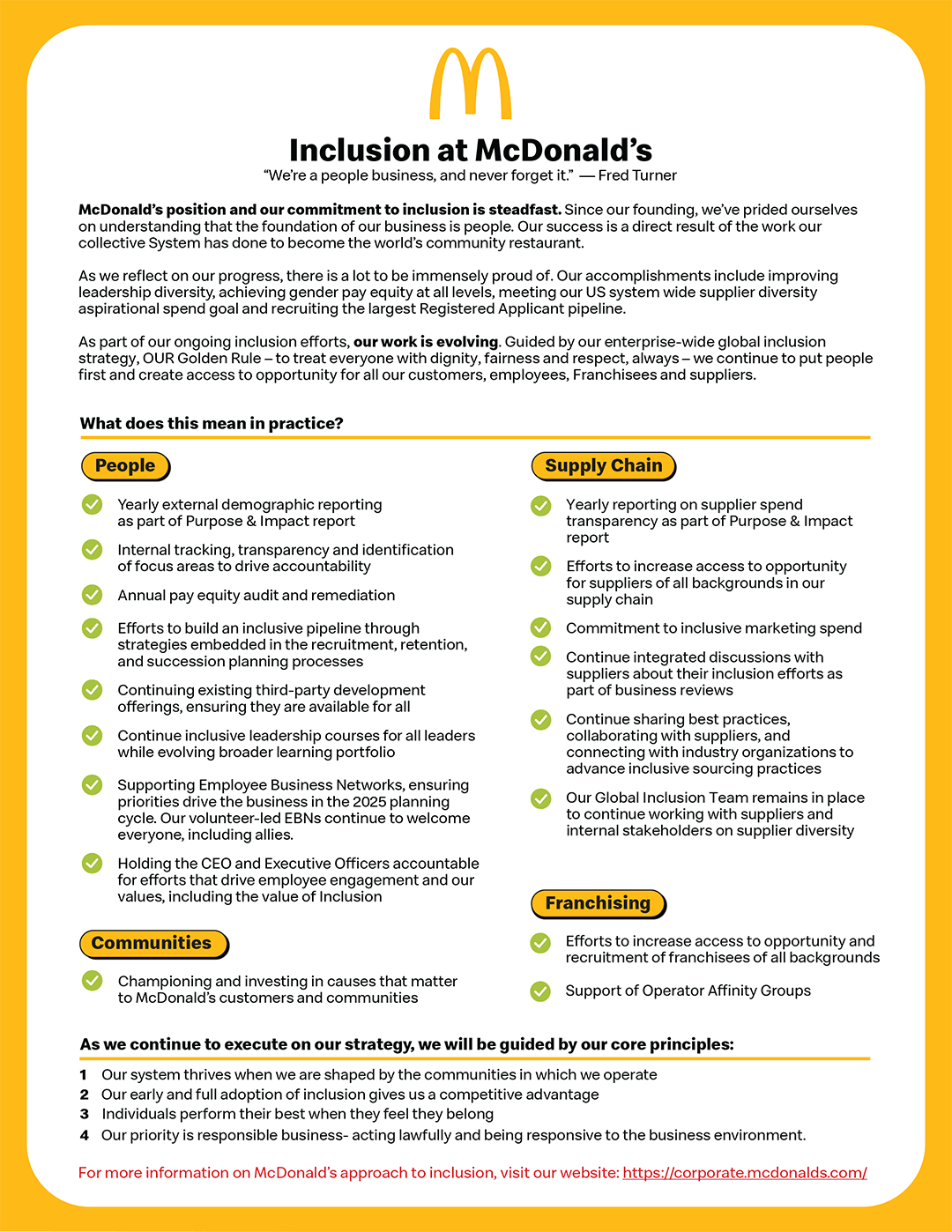
The Lutito handbook also covers sexual harassment in the workplace, and McDonald’s corporate standards go further, saying all McDonald’s restaurants, including franchised ones, are subject to global standards on harassment, discrimination and retaliation prevention, workplace violence prevention, employee feedback, and health and safety. McDonald’s says those standards include communicating policies to employees, conducting training, and providing reporting mechanisms for concerns.
That is the part workers need most when a shift turns uncomfortable. A handbook should tell you who to go to, how to report a problem, and what protections are supposed to exist after you speak up. McDonald’s says its Human Rights Policy, introduced in 2018, is meant to foster safe workplaces built on dignity, inclusion and respect. Those are broad words, but the practical test is simple: can you find the reporting route before something goes wrong, and does the store actually use it?
For crew members, a clear harassment policy is not abstract. It is the difference between a manager shrugging off a complaint and a documented process that names the issue and routes it somewhere higher.
What the handbook should help you verify day to day
A good restaurant handbook should be a working tool, not a folder that stays in a drawer. The Lutito example shows how much it can cover, from training basics to wage information to harassment and additional resources. For workers, that means you can use it to check whether your treatment in the store matches the rules on paper.
Before your first few weeks are over, compare the handbook against what you actually see on shift:
- Are you being rotated into new stations with enough coaching, or just dropped in when the rush hits?
- Does the pay section explain your wage, your role, and any extra pay rules clearly?
- Are break expectations spelled out in a way that makes sense for your store, or are breaks handled casually and unevenly?
- Do you know exactly how to report harassment, retaliation, or safety concerns without having to ask around?
That last point matters because confusion often benefits the store, not the crew. A handbook that is easy to follow gives workers a reference point when a manager’s shortcut starts to look like a pattern.
Why this matters in a franchise-heavy company
McDonald’s size makes these details easy to overlook and hard to dismiss. With more than two million employees and crew worldwide, and roughly 95% of restaurants franchised, the company depends on local training culture to keep the brand consistent. That is why a handbook is more than a welcome packet. It is the bridge between corporate standards and the reality of the kitchen, the drive-thru, and the prep line.
McDonald’s also says support for restaurant staff applies whether people work for the company or for a franchisee. That matters because most crew members never see corporate headquarters, but they do feel the difference between a store that trains well and one that improvises. In that sense, the handbook is one of the few places where the company’s promises, the owner’s practices, and the crew’s daily life are supposed to meet.
For workers, the lesson is straightforward: read the handbook early, keep it nearby, and treat it like evidence. If the store says it values training, pay clarity, and respect, the manual should show exactly how those promises are supposed to work on the floor.
This article was produced by Prism’s automated news system from verified source data, official records, and press releases, then run through automated quality and moderation checks before publishing. The system is built and supervised by the people who set the standards it runs under. Read our full AI policy.
Did this article answer your question?